Pitkin County Issues Rare Early Red Flag Warnings for Wildfires
Pitkin County has issued rare early red flag warnings for wildfires due to dry conditions and high temperatures, signaling a potentially dangerous fire season ahead.
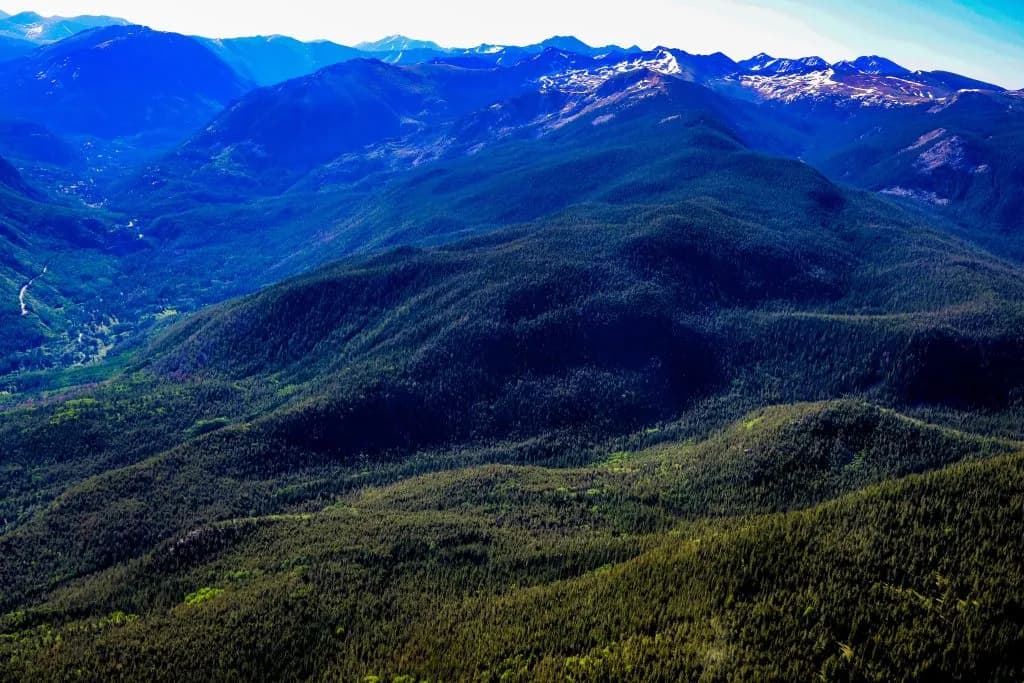
Aspen —Snowflakes still cling to the peaks of the Rocky Mountains, but the valley floor tells a different story — dry, cracked earth and the faint scent of smoke carried on the breeze. In Pitkin County, the first warning of the season was issued on March 28, a rare occurrence that signals a heightened risk of wildfires. The warning was followed by another one just two days later, on March 30.
Warnings like these are issued when a combination of high winds, high temperatures, low humidity, and dry vegetation come together, creating conditions where a small spark can ignite a fast-moving wildfire. Pitkin County's Emergency Manager, Chris Breitbach, is clear about the danger — "Red flag warnings signal dangerous fire conditions, where one small spark can become a fast-moving wildfire." He urges the public to take the warning seriously, avoid any activity that could start a fire, and stay alert.
The National Weather Service (NWS) provides the data that informs these decisions. According to Service Hydrologist Erin Walter, the late-March issuance of red flag warnings is rare but not unprecedented, with the 2011, 2012, and 2016 fire seasons all beginning early with similar conditions. However, typical years don't see the first red flag conditions until mid-April. This year's combination of low snowfall and unseasonably high March temperatures has contributed to a rapidly melting snowpack and a dry valley floor, making conditions ripe for wildfires.
The NWS is predicting abnormally high temperatures and low precipitation for much of the Western United States, including Colorado, through June. The three-month outlook shows Colorado is expected to have higher temperatures and lower precipitation than average. While the NWS can predict temperature and precipitation patterns, wind is a more difficult factor to forecast, making it harder to predict when dangerous fire conditions will arise.
The Roaring Fork Valley's snowpack is at a record low, with some areas measuring below the 10th percentile. In contrast, the years that had early warnings in the past, 2011, 2012, and 2016 - had significantly more snowpack. The 2011 season, for example, had a snowpack that frequently measured between the 70th and 90th percentiles. This year's low snowpack, combined with high temperatures and wind, has created a perfect storm for wildfires.
The implications for the Western Slope are clear. this will be a long and potentially dangerous fire season. The cost of fighting wildfires is already high, and a prolonged season will only add to the burden on local resources. In a typical year, Pitkin County spends around $1 million on wildfire mitigation and prevention. This year, that number could be much higher.
As the weather continues to warm and dry out, locals are bracing for the worst. The memory of past wildfires, such as the 2018 Lake Christine Fire, is still fresh in many minds. The Lake Christine Fire burned over 12,000 acres and forced the evacuation of hundreds of homes. This year's fire season has the potential to be just as devastating.
Make no mistake, the early red flag warnings in Pitkin County are a sign of things to come. The short version is that this fire season will be one to watch, and locals need to be prepared. As Breitbach said, "We need the public to take this very seriously, avoid any activity that could start a fire and stay alert." The question is, are we ready for what's to come? Read that again, one small spark can become a fast-moving wildfire. That's a risk we can't afford to take lightly.
Keep up with Aspen
The day's Western Slope news, one email each morning. Free.