Federal Plan Shields Colorado From Mandatory Colorado River Cuts
The federal government’s new 2027-2028 Colorado River plan mandates 1.25 million acre-feet of cuts for downstream states, leaving Colorado and other upstream regions exempt from mandatory reductions while urging voluntary conservation.
Grand Lake has always been a quiet place, but the silence is getting louder. Not with noise, but with the weight of a decision made in Washington that will ripple all the way down to the Colorado River’s delta.
The federal government released its near-term management plan for the river system on Friday, and the message to neighbors here in the West is clear: you’re safe for now, but the downstream states are getting hit hard. The plan, which covers 2027 and 2028, mandates 1.25 million acre-feet of water cuts. Arizona, California, and Nevada will bear the brunt of that reduction. Colorado, and the rest of the upstream states, are being asked to conserve, but they aren’t being forced to cut their water use.
“The future of the Colorado River... is more clear — at least for the next two years,” the Colorado Sun reported, noting that the river provides vital water supplies to nearly 40 million people.
It’s a relief for locals who worry about the taps running dry in our own backyards, but it’s a stark reminder that the river is overstressed. Rising temperatures, ongoing drought, and persistent demand have pushed the system to its limits. The regulations have been slow to catch up, and now the feds are stepping in with a temporary fix.
Andrea Travnicek, the Bureau of Reclamation’s assistant secretary of water and science, put it this way in a statement: “These decisions provide a water management strategy for Basin stakeholders to respond to the prolonged drought by incorporating flexible tools and voluntary actions while leaving room for consensus agreements.”
That phrase “consensus agreements” is doing a lot of heavy lifting here. For three years, the seven basin states debated how to manage Lake Mead and Lake Powell after the current rules expire in 2026. They failed to agree on everything from the level of mandatory cuts to the timeline for new rules. Washington watched them miss several deadlines, and finally, the federal government moved on.
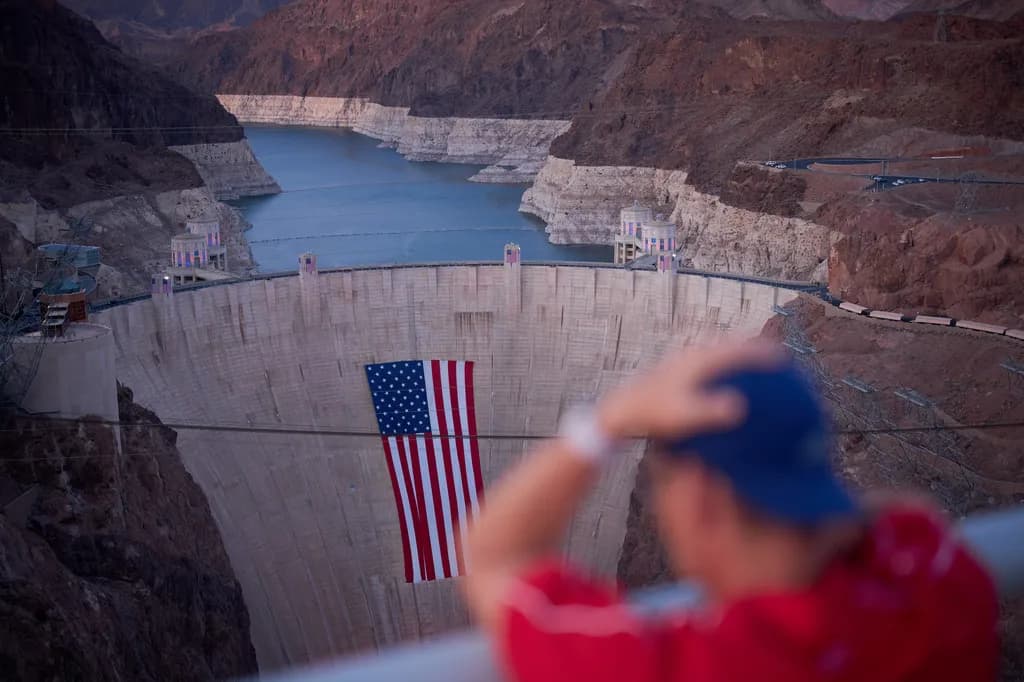
The Department of the Interior and the Bureau of Reclamation say this 2027-2028 plan is based on feedback from the states and tribal nations. But the teeth of the plan are in the mandatory cuts. The Secretary of the Interior plans to cut releases from Hoover Dam by 1.25 million acre-feet each year.
Here’s how that breaks down: Arizona will reduce its water use by 760,000 acre-feet. California will cut by 440,000 acre-feet. Nevada, smaller and drier, has to cut by 50,000 acre-feet.
That’s the required cut. On top of that, the plan includes voluntary conservation targets totaling 700,000 acre-feet over the two-year period. It’s a lot of water to save, but it’s voluntary.
The question is whether this temporary fix holds until the states can actually agree on a long-term solution. The federal government has announced that the next set of rules will last for 10 years, with operational plans reviewed every two years. But for now, the upstream states are off the hook for mandatory cuts.
“We are being called on to conserve water and help avoid crisis lows at the river basin’s key reservoirs, but do not have to cut their water use,” the Sun reported.
It’s a pragmatic approach. The river is the workhorse of the West, supporting economies and communities that have grown because of it. But that workhorse is tired. The federal plan is a bandage, not a cure. It buys time for the states to figure out a consensus, but it doesn’t solve the underlying problem of a river that’s too small for the demands placed on it.
For folks in Grand Lake, or anywhere along the Colorado, the immediate threat of mandatory cuts to our own water supply is off the table. But the clock is ticking. The 2027-2028 plan is merely the start of a longer, more complex negotiation. And when the next two years are up, the question will be whether the states have finally found that consensus, or if the feds will have to step in again.
As Travnicek noted, the goal is to leave room for those agreements. Whether that room is enough to keep the lights on from Colorado to California is still up in the air.
Keep up with the Western Slope
The day's Western Slope news, one email each morning. Free.