Forest Service Leasing Rules Open Door for Affordable Housing
New Forest Service leasing rules allow local governments to convert abandoned federal buildings into affordable housing, offering a potential solution for high-cost Colorado mountain communities.
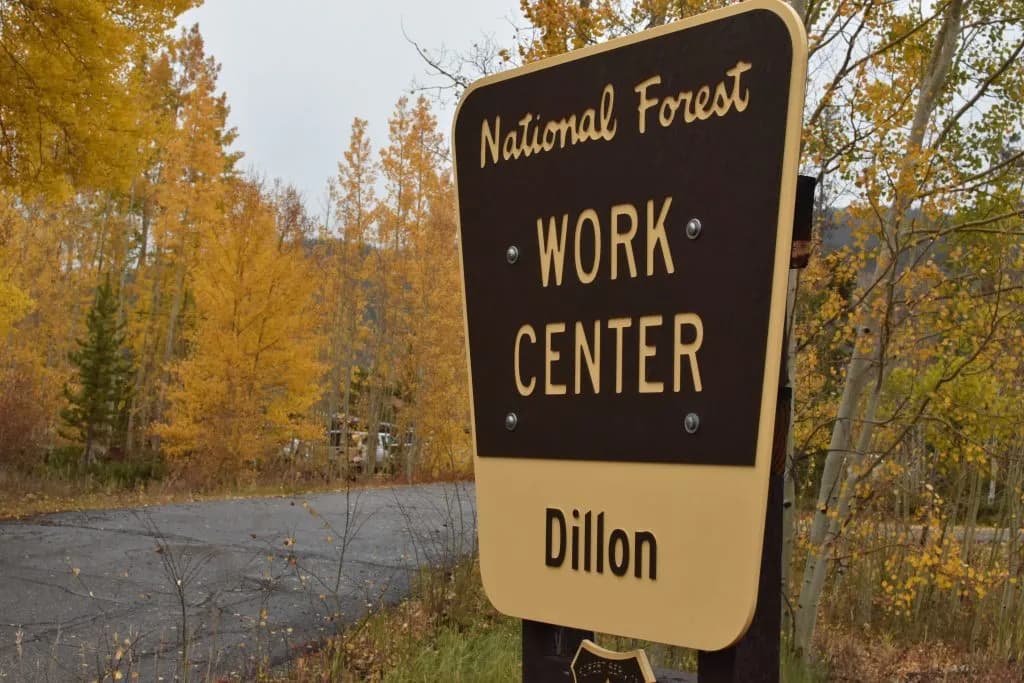
Aspen —The wind off the Rockies doesn’t care about zoning laws. It just howls through the pines, rattling the windows of old ranger stations that have sat empty for decades. These are the structures now at the center of a quiet but significant shift in how Colorado’s mountain communities might find room to breathe.
The U.S. Forest Service finalized rules for its administrative site leasing program late last month, with the new guidelines taking effect on December 2. Established under the 2018 Farm Bill, this program allows federal agencies to lease or exchange underutilized properties — think abandoned office buildings, storage sheds, or old living quarters — to third parties. Those partners can include local governments, nonprofits, or private developers. For folks in the valley, this isn’t just bureaucratic paperwork; it’s a potential lifeline for affordable housing projects that have been stuck in limbo for years.
Scott Fitzwilliams, who spent 15 years as the supervisor of the White River National Forest before retiring last year, sees this as a necessary correction. “This is a good thing,” he said, his voice carrying the weight of someone who has navigated the complex machinery of federal land management. “It should provide flexibility for both the Forest Service and any partners that are involved that need to get financing or things like that. I’m happy to see it.”
Fitzwilliams isn’t naive about the political landscape. He served during a period when the Department of Government Efficiency slashed thousands of jobs across federal agencies, leading him to worry about the broader health of public land institutions. Yet, he advocated for this specific leasing flexibility while leading the White River National Forest, recognizing that rigid regulations often hurt the very communities the forests are meant to serve.
Support for the rule change has come from unexpected corners of the state. Local governments in Steamboat Springs and Summit County have voiced their approval. Both areas have struggled to move forward with affordable housing initiatives on federal land in recent years, facing hurdles that seemed insurmountable. Now, with the regulatory barriers lowered, they see a path forward.
Not everyone is convinced. Some public comments on the proposed rule expressed fears that the changes would reduce public input opportunities or allow the agency to effectively sell off public lands to private interests. The Forest Service has pushed back against these concerns. In a response to one critical comment, the agency clarified that the rule does not authorize land sales, change existing land-disposal authority, or exempt projects from standard environmental and historic preservation reviews. “The rule does not authorize land sales, change existing land-disposal authority or exempt administrative leasing projects from the National Historic Preservation Act, Archeological Resources Protection Act, National Environmental Policy Act, public notice, local-government consultation or other applicable statutory requirements,” the agency stated.
Forest Service Chief Tom Schultz framed the update as a streamlining effort. “By removing outdated regulatory barriers, we can manage the Administrative Site Leasing Program more efficiently, reduce unnecessary burdens and make better use of existing authorities,” Schultz said in a statement. He emphasized the housing angle, calling it “an important step toward making eligible administrative sites available for potential housing developments for employees and community members.”
The stakes are high for places like Glenwood Springs and Carbondale, where the cost of living has soared. If a former ranger station can become a cluster of affordable apartments, it changes the demographic makeup of the town. It keeps young teachers and nurses in the area instead of forcing them to commute an hour each way.
As the December 2nd deadline approaches, the focus turns to implementation. How quickly will local governments move? Which properties will be the first to change hands? The answers will shape the next decade of growth in the mountains. For now, the old buildings stand silent, waiting for their new purpose. The wind continues to blow, indifferent to the human drama unfolding within the walls.
Keep up with Aspen
The day's Western Slope news, one email each morning. Free.