Forest Service Partners with Colorado Parks and Wildlife for Sweetwater Lake Management
The Forest Service proposes a partnership with Colorado Parks and Wildlife to manage 844 acres at Sweetwater Lake, shifting governance from federal to state control under a new special use permit.
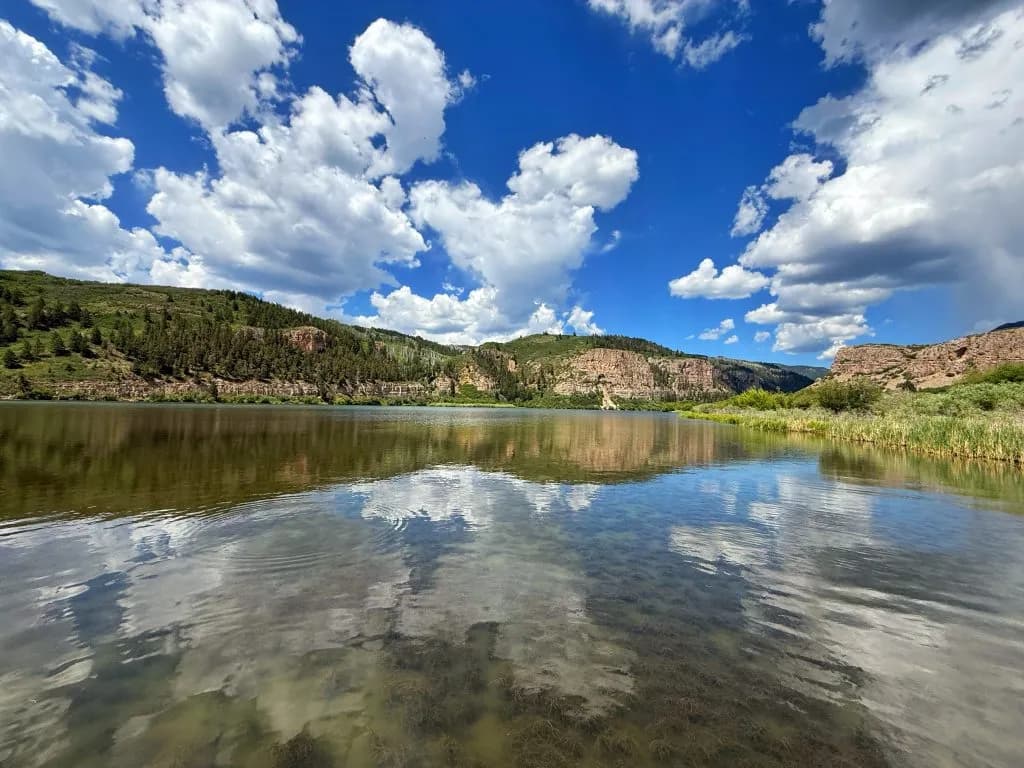
Aspen —“Public involvement is an important part of determining the future of the Sweetwater Lake,” said Eagle-Holy Cross District Ranger Leanne Veldhuis.
It’s a standard Forest Service line, but here it carries weight. The agency just released a draft environmental study for the Sweetwater Lake Recreation Management and Development Project, and the bottom line is a partnership with Colorado Parks and Wildlife (CPW). This isn’t just about who picks up the trash. It’s about who owns the air you breathe and the dirt under your tires for the next 20 years.
The preferred alternative in the Draft Environmental Impact Statement (EIS) authorizes CPW to manage the 844 acres surrounding the lake under a special use permit. That’s a significant shift from the current status quo. The federal land office acquired 433 acres in 2021 using the Land and Water Conservation Fund. They added that to 413 acres of existing National Forest System land. The result is a massive expansion of public access that has, predictably, drawn crowds.
Visitation increased. The agency needs a plan. So, they’re leaning on CPW because, as Veldhuis noted, the Forest Service lacks the staffing and financial resources to manage this expanded area on its own. It’s a first-of-its-kind partnership: a state park operating on federal land.
Let’s look at the numbers. We’re talking about 844 acres of recreation space. The draft EIS evaluates four management alternatives. The preferred option is the CPW partnership. But don’t assume that’s the final word. The public comment period runs through Sept. 23. The final decision could incorporate elements from multiple alternatives. On paper, it’s flexible. In practice, it means locals have a narrow window to object before the ink dries.
Neighbors aren’t thrilled. They’ve already put up protest signs on their own property, explicitly stating they want to avoid state park status. They’re worried about overdevelopment. They’re worried about losing the rustic character of the lake. CPW and the Forest Service have responded with community meetings and surveys, promising to balance recreation with resource protection. But the tension is real. The "rustic" label is often code for "no paved roads, no luxury lodges," but it rarely stops the influx of visitors that comes with a state-managed designation.
The acquisition was meant to protect the property from private development. That part worked. Now, the question is whether state management is the best way to keep it that way, or if it just opens the floodgates for a different kind of pressure. The Draft EIS identifies the CPW route as the path forward, but all four options remain under consideration.
This isn’t a minor zoning tweak. It’s a fundamental change in how this valley’s most popular recreation area is governed. The cost of the initial acquisition was covered by federal funds. The ongoing management cost shifts toward the state, but the impact on local infrastructure, traffic, and the character of the land stays right here.
The public comment period ends Sept. 23. If you care about whether Sweetwater Lake stays a wild place or becomes a managed amenity, that’s your deadline.
Keep up with Aspen
The day's Western Slope news, one email each morning. Free.
Aspen Housing Authority Seeks $590K Office Upgrade Amid Cramped Conditions

Vail Secures Water Rights for 37-Unit Montelisse Condo Project
Moffat County Commissioners Weigh Data Center Moratorium Amid Transparency Claims

Aspen Skiing Company hosts 10th annual Stars Above astronomy night

Aspen Animal Hospital Clinical Leader Dr. Anne Cooley Navigates WellHaven Ownership Shift