Four Carbondale Residents Vying for Roaring Fork School District B Seat
Four candidates present their visions for Carbondale's District B seat during interviews, highlighting a philosophical split between student enthusiasm and strict accountability as the district awaits a permanent replacement.
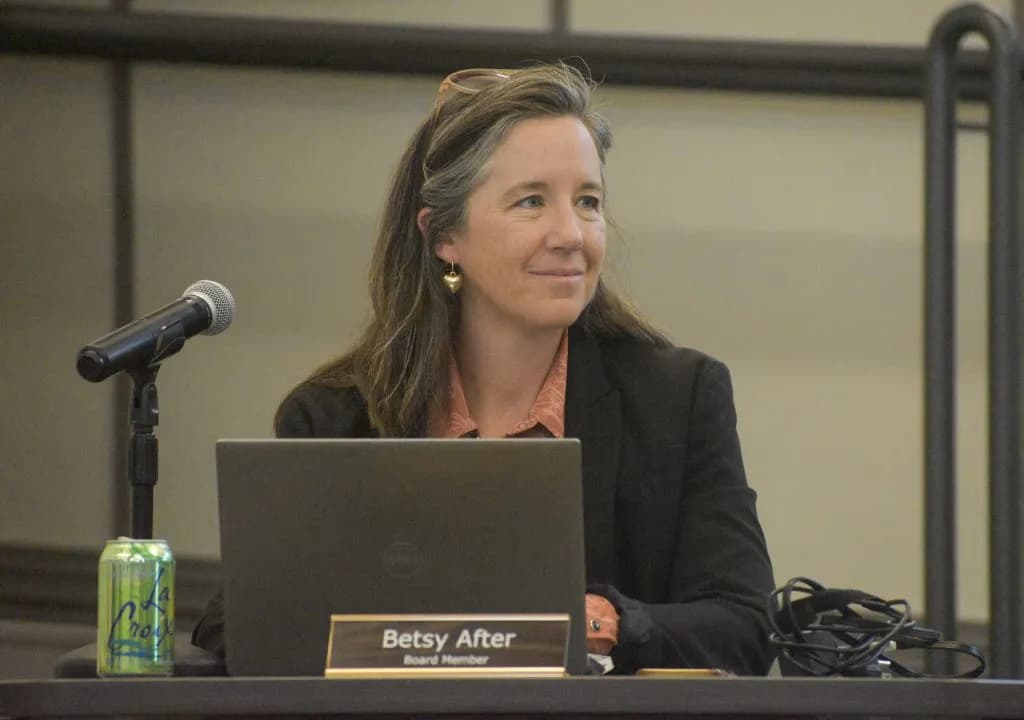
Aspen —The Roaring Fork School District has been running on one fewer brain for three months. District B is empty. Betsy After left in mid-April for family reasons. The seat stays vacant until November 2027. That is a long time to govern without a full voice.
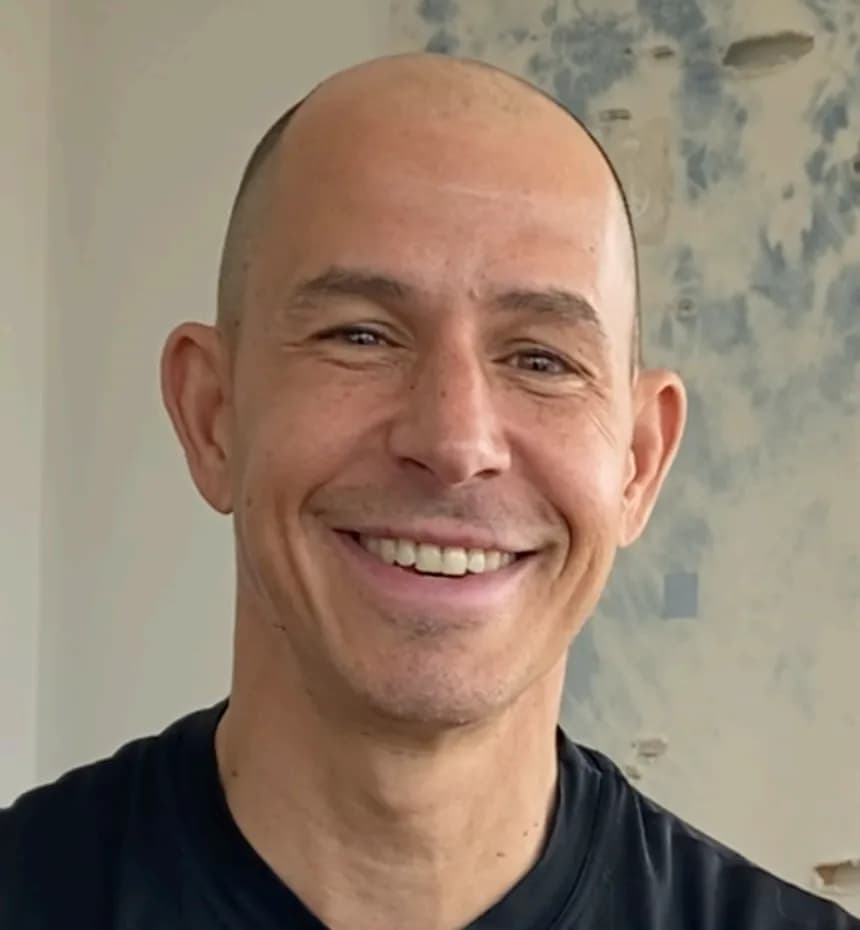
Tuesday’s interviews were not about fixing the district. They were about picking a replacement who can survive the next four years of budget fights and curriculum wars. Four Carbondale residents stood in front of the board. Jonathan Delk. Nikolai Furmansky. Richard Neiley. Bryan Whiting. They had fifteen minutes each. Fifteen minutes to prove they weren’t just showing up for the resume.
The territory matters. District B covers most of Carbondale proper. It spills into Ironbridge. It touches Aspen Glen. It stretches south through Four Mile and all the way to Redstone and Marble. That is vast territory — a lot of asphalt, a lot of property taxes, and a lot of parents watching the school board YouTube channel at 10 p.m.
The questions were standard. What does the superintendent do? How do you measure success? How do you close the achievement gap? The answers, however, revealed a split in philosophy that will define the next board member’s tenure.
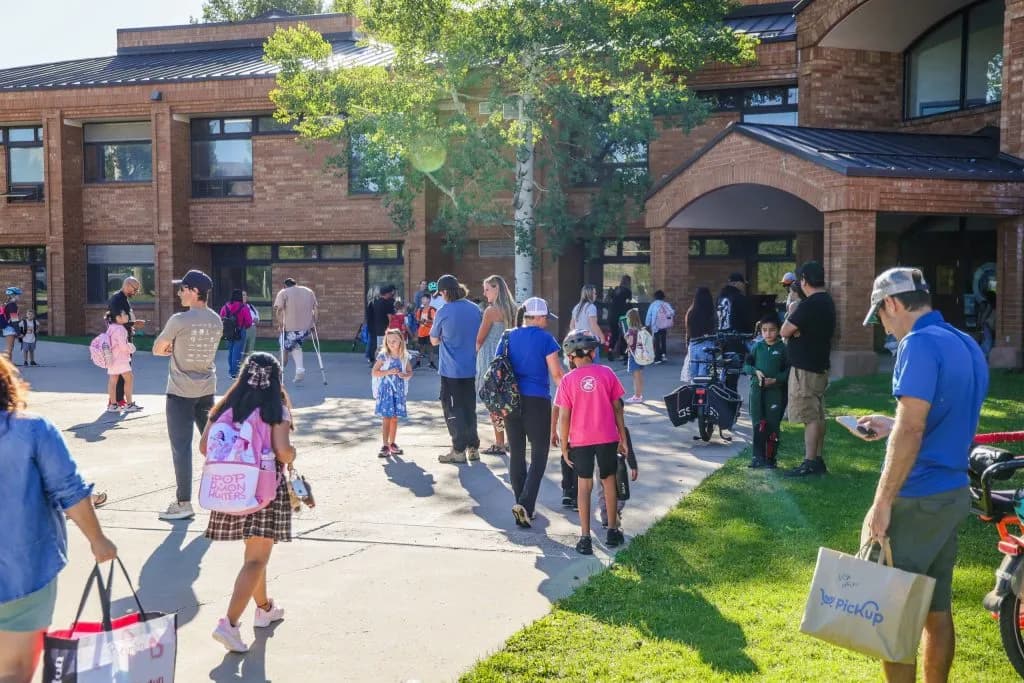
Jonathan Delk didn’t mince words. He called the official metrics “boring.” He looked past the Colorado Department of Education’s rigid standards. He wanted to look at the kids. Are they jumping out of the car? Are they smiling? Or are they dragging their backpacks and kicking and screaming?
“Enthusiasm from the students and from the people surrounding them is our best measure,” Delk said. “If we have enthusiasm, all other things come much easier.”
It’s a romantic view. It’s also risky. Enthusiasm doesn’t balance the books. Enthusiasm doesn’t pass state mandates. But Delk argued that if the kids are excited, the test scores will follow. He listed the usual metrics — graduation rates, dropout rates, attendance, but he put them second. First place went to the high five.
Richard Neiley agreed with the enthusiasm angle but grounded it in paperwork. He pointed to the five-year plan. He talked about self-made goals. He wanted constant monitoring. Standardized testing. Happiness. Enthusiasm. He didn’t dismiss Delk. He just wanted to make sure the enthusiasm was documented.
The short version: Delk wants the kids to be happy. Neiley wants the district to be accountable. Both are right. Both are hard to measure.
The board needs someone who can navigate the gap between the two. Someone who can look at a spreadsheet and a playground and see the same problem. The vacancy has left a hole in the representation for Redstone and Marble. It has left a hole in the decision-making process. The new appointee won’t just fill a chair. They will determine how the district defines success for the next decade.
The interviews are done. The resumes are online. The public can watch the videos. But the real test hasn’t happened yet. It happens when the checkbooks open. It happens when the teachers union negotiates. It happens when the state demands more money for less results.
Delk’s enthusiasm might be the answer. Or it might be a distraction. Neiley’s planning might be the solution. Or it might be bureaucracy.
The district waits. The taxpayers pay. The seat remains empty.
Keep up with Aspen
The day's Western Slope news, one email each morning. Free.