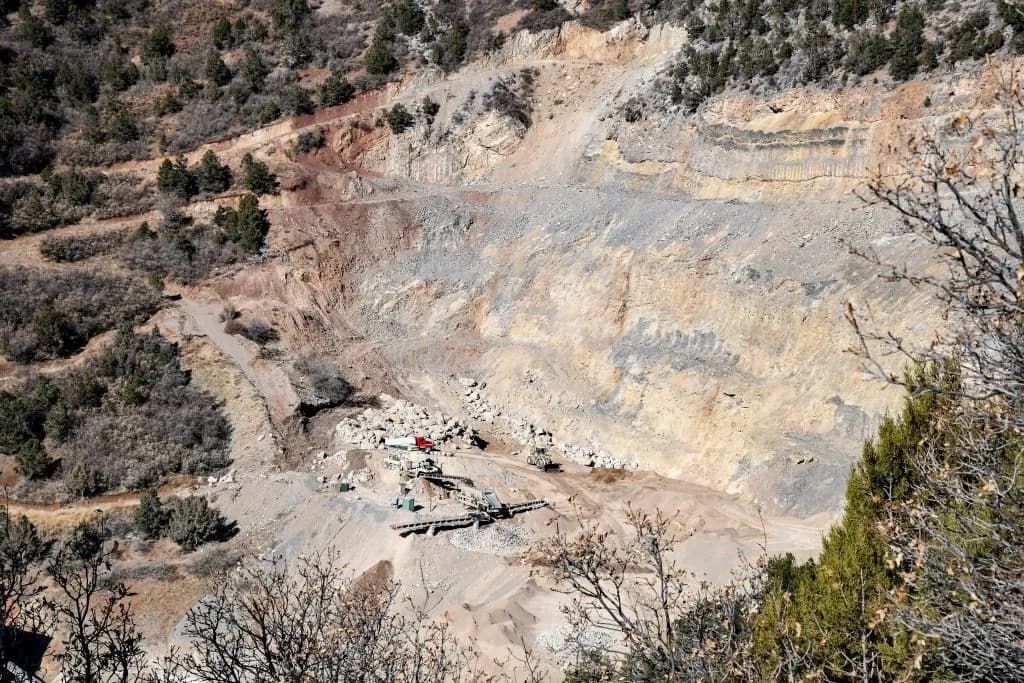
Glenwood Springs Commuters Face Seven-Hour Paradise Creek Fire Gridlock
Trish O’Grady reflects on a seven-hour gridlock at the West Glenwood exit during the Paradise Creek Fire, highlighting the economic costs of the South Canyon bottleneck and potential solutions like connecting Devereux Road.

Glenwood Springs —Have you ever sat in a car on the interstate, watching the brake lights stretch into infinity, and wondered if the traffic jam was the real disaster?
That’s the question Trish O’Grady asked herself on June 9, stuck at the West Glenwood exit while the Paradise Creek Fire raged nearby. She was one of thousands forced off the highway, stranded for seven hours in the cooling evening air. But instead of succumbing to road rage, she watched. She saw rafters and kayakers drifting on the river below, their movements a stark contrast to the gridlocked metal above. She talked to a young French couple trying to navigate to Moab. Then she walked up and over the hill to Chili’s.
The restaurant was crowded, yet she was seated in thirty-five minutes. The staff served dinner quickly. The people around her — stranded commuters sitting in their cars, then slowly creeping westward once the interstate reopened — were pleasant. There was no horn honking, no cussing, just a collective patience. It was a moment of unexpected grace in a valley that often feels like it’s holding its breath.
But that grace didn’t extend to the workers coming from upvalley. They were stuck in Glenwood, gridlocked for hours, just wanting to get home after a long day on the job. The congestion wasn’t just an inconvenience; it was a stressor. It meant missing pickups, skipping meetings, losing sleep in your own bed. For many, the delay brought stress, uncertainty, and difficult questions about where to go and what to do if the road stayed closed. O’Grady argues that closures like this carry major costs, often reaching into the millions. It’s not just about time; it’s about the bottom line for businesses and the wallets of taxpayers.
O’Grady looked at the new apartments going up above Lowe’s and wondered if they were just adding to the congestion. The commissioners had announced last year that Glenwood was “closed to new development,” but the traffic tells a different story. She proposed a solution that’s been floating around for years: connect Devereux Road at the curve next to Two Rivers Park to Midland Avenue. It wouldn’t solve the South Canyon bottleneck entirely, but it would give locals an option to cut across town. Yes, the railroad is involved, and they are difficult to work with. But isn’t it worth asking why we keep building into a pinch point that has no real detour?
Then there’s the economic reality. Closures like this carry major costs, often reaching into the millions. It’s not just about time; it’s about the bottom line for businesses and the wallets of taxpayers. O’Grady argues that building our way out of this isn’t the answer. South Canyon is an expensive pinch point with steep terrain, limited access, fire risk, rockfall risk, and traffic pressure. It will continue to be a choke point.
So maybe we should ask a different question. Do all employees need to commute through that pinch point every day? Or can some of the work be brought closer to where people already live? Better jobs closer to home could help. It’s a simple idea, but it’s one that forces us to look at our own commutes and ask what our time is actually worth.
The fire has passed. The interstate is open. But the question lingers in the dust of the canyon. You can still feel the weight of those seven hours in Glenwood, the smell of exhaust mixing with the pine smoke, the sound of engines idling in the quiet evening. It’s a reminder that we’re all connected by that narrow strip of pavement, and when it closes, we all close with it.
Keep up with Glenwood Springs
The day's Western Slope news, one email each morning. Free.
Alliance Defending Freedom Demands Roaring Fork Schools Drop 3Rs Curriculum
White River National Forest Proposes New Management Zones at Sweetwater Lake