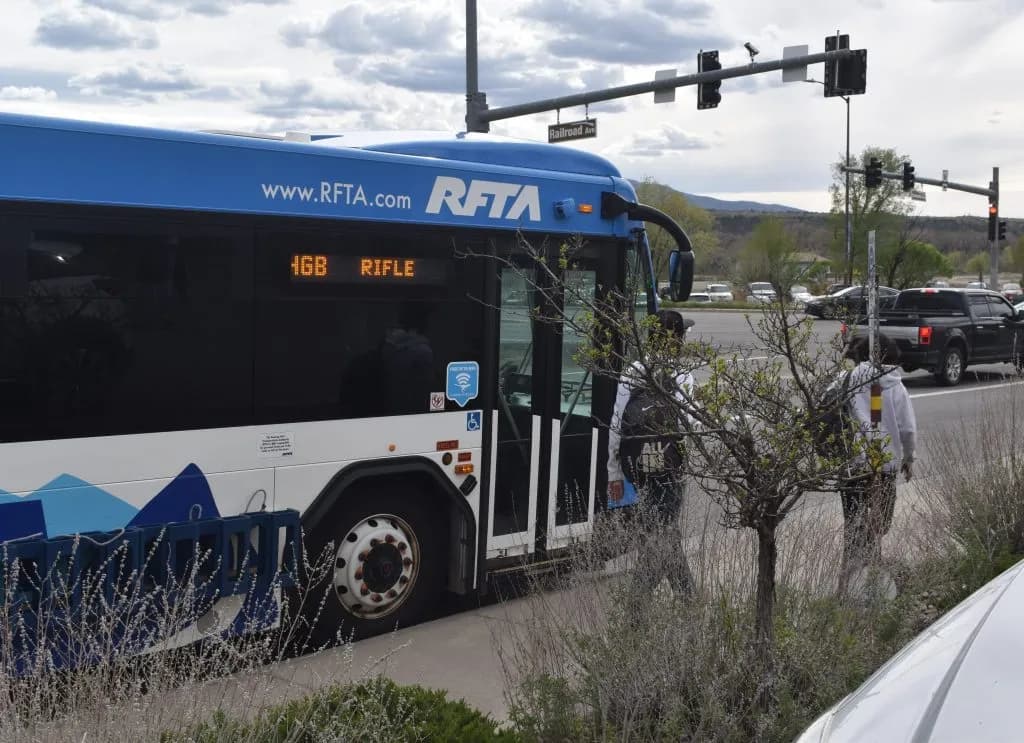
Glenwood Springs ICE Facility and Highway 82 Traffic Dominate Local Concerns
Analysis of Glenwood Springs' ignored ICE facility permits, rising Highway 82 traffic congestion, and the political push for Phil Weiser as governor over Senator Michael Bennet.
Glenwood Springs —What happens to the money you pay in property taxes when the city decides to ignore its own rules?
That’s the question hanging over Glenwood Springs after the City Council left an ICE detention facility running in Suite 210 of the commercial center at 100 Midland Avenue. The Planning and Zoning board had already voted to revoke the permit. The appeal period passed. The decision was final. Yet, the facility stayed open.
Auden Schendler of Basalt isn’t buying the explanation that federal supremacy protects the operation. He’s looking at the bottom line.
"The City of Glenwood Springs is now exposed to lawsuits, which could, and will, waste taxpayer money," Schendler wrote.
His argument is straightforward: if the building doesn’t meet local building and fire codes, the city should enforce them. If the city won’t act, the landlord — Florida-based JG Housing Solutions, LLC — should evict the tenant to protect itself from liability. Every other business in town follows the rules. Why is this one different?
It’s a valid concern for locals watching their property values and tax dollars. If the city is sitting on its hands while legal risks mount, the cost eventually trickles down to the community.
Meanwhile, further up the valley, the political conversation is shifting toward who will lead the state next. Pat Morrissy of Carbondale has spent nearly 50 years in urban community development and affordable housing. He’s seen plenty of elected officials come and go. He’s found few who measure up to Phil Weiser.
"Weiser has sued polluters and led on a $7.4B opioid settlement against Purdue Pharma," Morrissy noted. "He’s held vaping companies accountable for targeting kids and secured millions to fund prevention and school-based mental health programs."
Morrissy isn’t just praising Weiser’s resume; he’s contrasting it with current Senator Michael Bennet. He points out that while Bennet has been a good senator for 16 years, his campaign war chest tells a different story. The super PAC supporting Bennet, Rocky Mountain Way, raised over $8 million, with $4.5 million coming from a single East Coast billionaire.
"We don’t want billionaires messing with our elections," Morrissy said.
He’s troubled by the influence of organized landlord political committees on Bennet, too. For Morrissy, Weiser’s strength is his independence. His campaign is powered by the people of Colorado, not out-of-state donors. It’s a distinction that matters to voters tired of deep-pocketed interference.
But while politicians debate state leadership, the road itself is falling apart. Highway 82 is at a breaking point.
Critical intersections along the corridor are already operating at a "Level of Service F", a failing grade. Traffic is backed up, delays are long, and development continues to pile on. The infrastructure simply can’t handle the volume.
Locals say it as they sit in gridlock every morning. The gap between where we are and where we need to be is widening. We’re not just talking about convenience; we’re talking about economic vitality and safety.
As the election cycle heats up and the courts weigh in on the ICE facility, the physical reality of our region remains constant. The roads are crumbling. The taxes are rising. And the decisions made in city hall and the governor’s mansion will determine whether we fix them or just manage the decline.
"We need Phil Weiser as our next governor," Morrissy concluded. "Bennet should stay in the Senate."
Whether that translates into policy that helps us fix Highway 82 or keeps the lights on at Midland Avenue is unclear. But for now, the choice is clear.
Keep up with Glenwood Springs
The day's Western Slope news, one email each morning. Free.
Aspen Housing Authority Seeks $590K Office Upgrade Amid Cramped Conditions
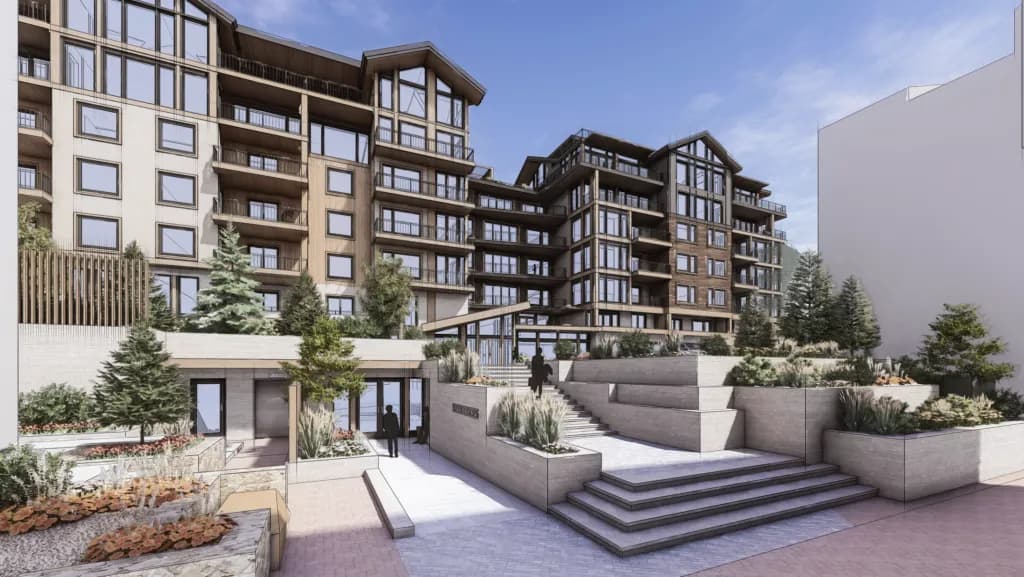
Vail Secures Water Rights for 37-Unit Montelisse Condo Project
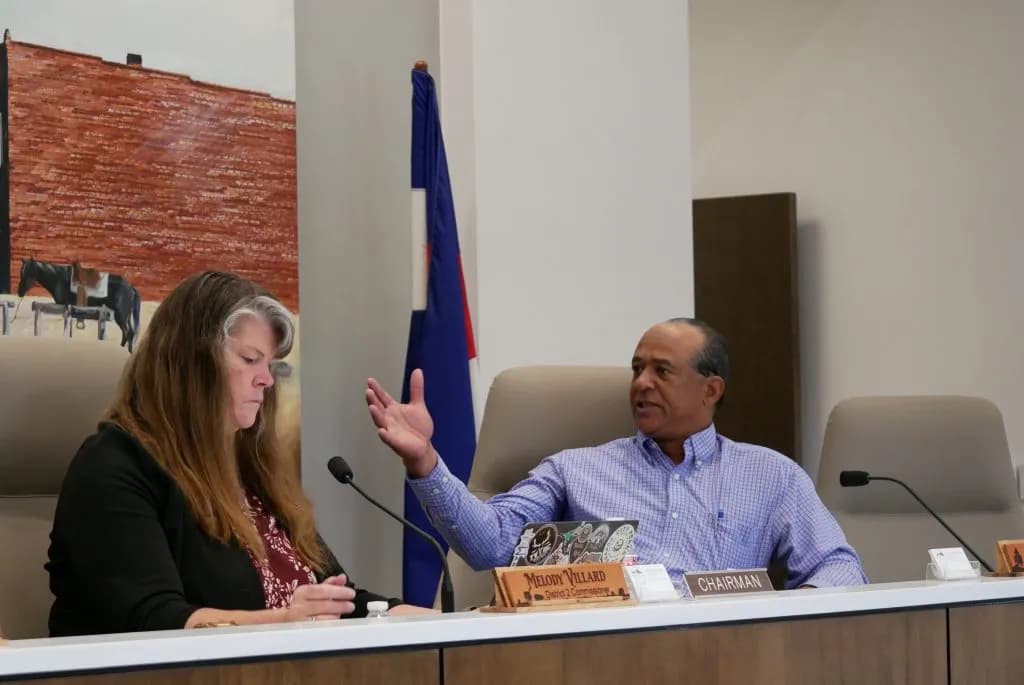
Moffat County Commissioners Weigh Data Center Moratorium Amid Transparency Claims
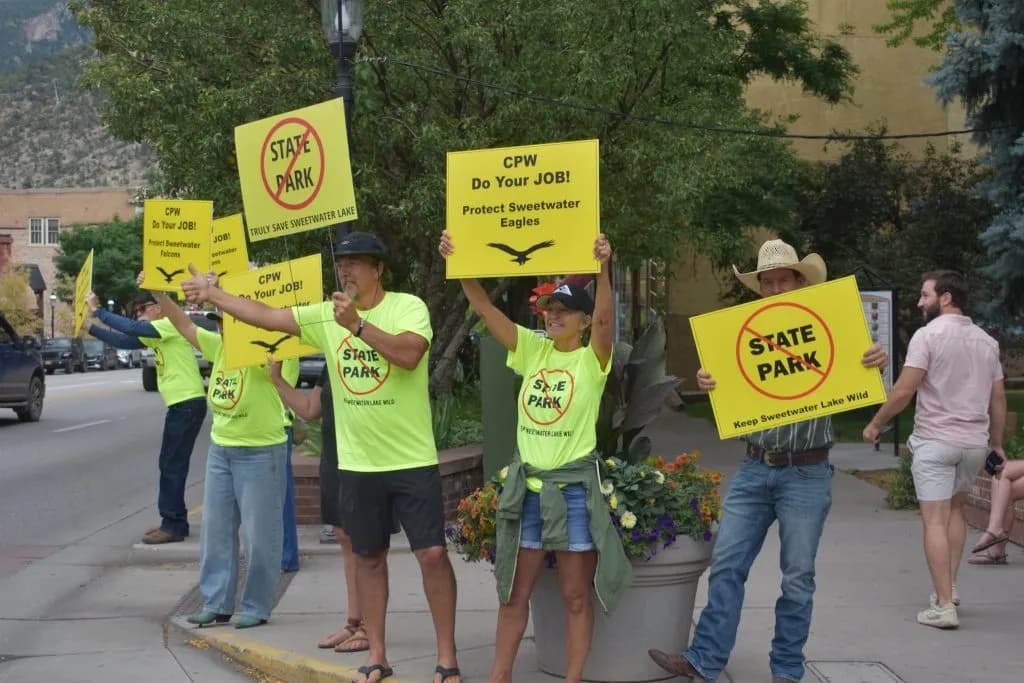
White River National Forest Proposes New Management Zones at Sweetwater Lake
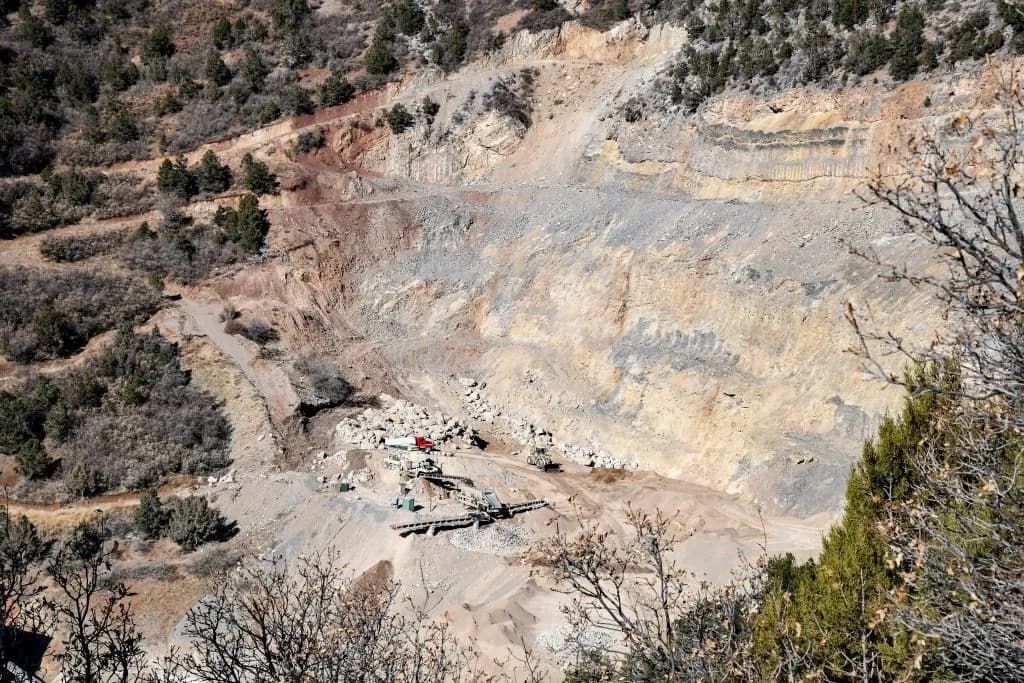
Bennet and Hurd Introduce Bipartisan Bill to Block Mid-Continent Quarry Expansion