Glenwood Vet Warns Half of Cats Have Stomach Inflammation
A Glenwood Springs veterinarian reports that nearly two-thirds of cats suffer from stomach inflammation, urging owners to monitor for persistent vomiting and dietary triggers.
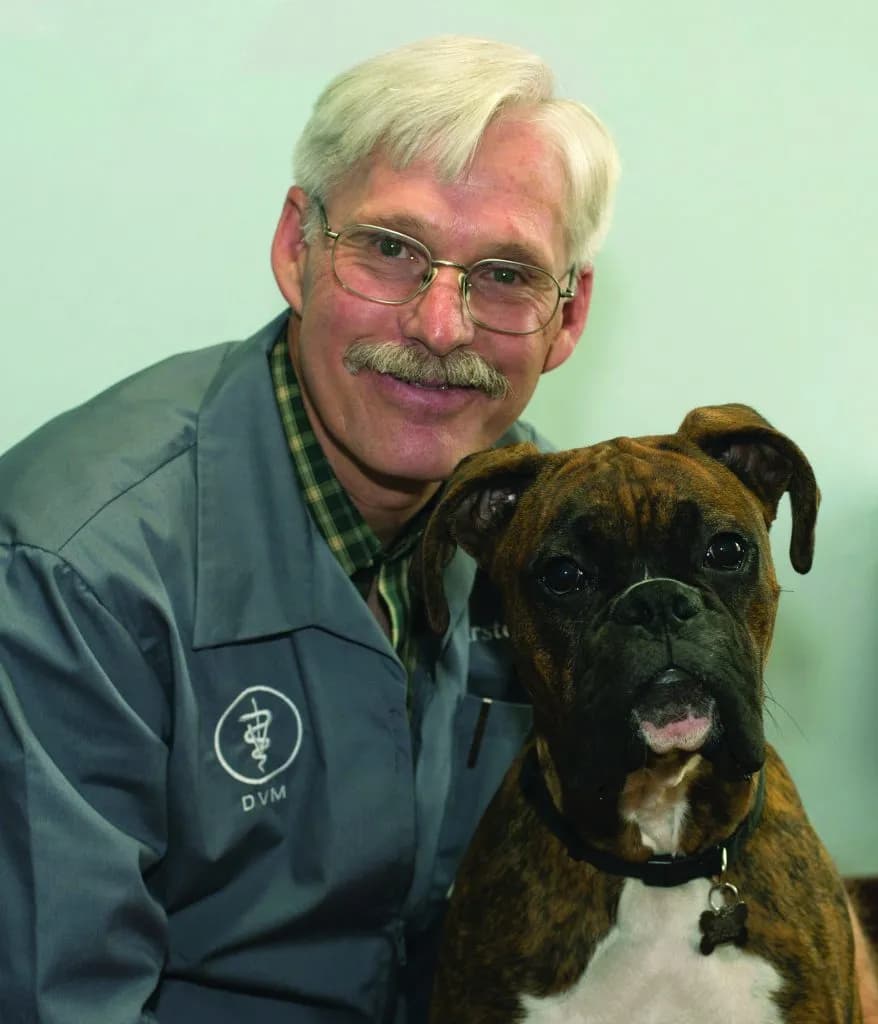
Glenwood Springs —Glenwood Springs — For the cat sitting on a kitchen counter in Glenwood Springs, the problem isn’t always what it seems.
To hear Dr. Carsten tell it, gastritis is less of a distinct disease and more of a symptom that hides inside dozens of other conditions. It’s inflammation of the stomach, and it is everywhere. According to Carsten’s column in the Post Independent, an estimated 35% of dogs and almost 67% of cats are affected.
That is a lot of local pets. It means that when a neighbor’s dog starts throwing up after eating a stick off the trail, or a cat refuses dinner because it ingested part of a daffodil from a neighbor’s garden, the issue is likely more than just "an upset tummy."
"The gastritis does not always resolve when the inciting cause is resolved, turning it into a chronic problem," Carsten wrote.
This distinction matters for anyone in the valley who keeps pets indoors or lets them roam. The column lists a long roster of local triggers: rocks, sticks, toys, and plants like poinsettias or azaleas. Chemicals are another culprit — specifically detergents, antifreeze, and certain fertilizers. If you live near a farm or have a garden in the Roaring Fork Valley, those fertilizers are likely sitting on your lawn.
But plants and rocks are the easy stuff to spot. The harder cases involve food sensitivities, intestinal parasites, or metabolic issues like kidney disease and liver disorders. Carsten noted that up to 30% of pets with food allergies have chronic vomiting and abnormal stools. For a pet owner, that can look like a persistent digestive issue that never quite clears up, even if the vet has ruled out parasites.
The challenge for owners is deciding when to worry and when to wait. Carsten provided a framework that relies on observation rather than guesswork.
"As a general rule, frequent vomiting (i.e., more than every hour) is more of a concern than infrequent vomiting (i.e., less than once per day)," Carsten wrote.
The character of the vomit is just as telling. Clear fluid is less alarming than bloody fluid or what Carsten described as "coffee-ground-appearing" fluid. If the pet is also showing signs of abdominal bloating or pain, that shifts the situation from a monitoring task to an emergency.
The age of the pet plays a role, too. Older animals have less physiological reserve and are more prone to complicating issues like hormone imbalances, such as an overactive thyroid or Addison’s disease.
When a pet does end up at the vet, the diagnostic process isn’t just a quick look. Carsten explained that veterinarians will likely need to run a series of blood tests, along with X-rays or an ultrasound of the abdomen, to pin down the root cause.
For locals, the practical advice is this: pay attention to what your pet eats and where it goes. If you see a change in behavior or appetite, the cause is likely identifiable if you catch it early. But if the vomiting becomes frequent or the fluid changes color, the math holds up, go to the vet.
Carsten closed by noting that identifying the primary cause is essential while managing the effects, like dehydration. It’s a reminder that in pet care, as with people, the symptom is rarely the whole story.
Keep up with Glenwood Springs
The day's Western Slope news, one email each morning. Free.