Grand County Wildfire Council Director Shares Preparation Tips
Grand County Wildfire Council Executive Director Jessica Rahn shares practical advice on overcoming panic and preparing a go-bag for wildfire season.
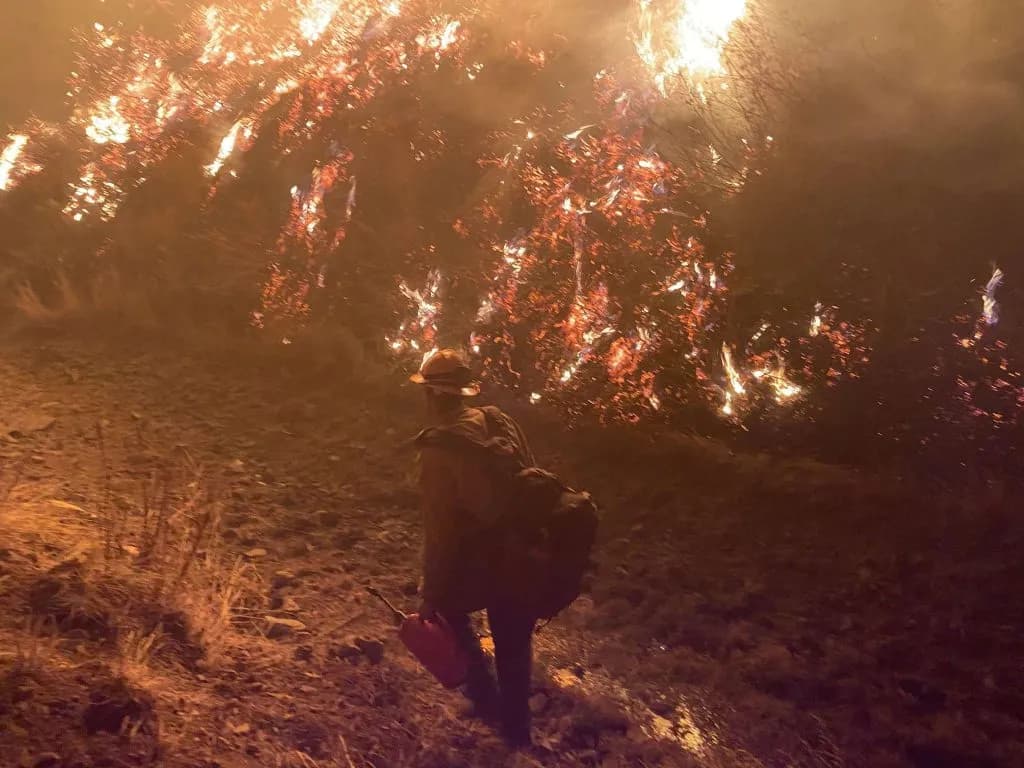
Glenwood Springs —What do you pack when the sky turns black and your baby is crying in the backseat?
Jessica Rahn knows. She knows because she stood in the same spot last time the sky turned black.
It was October 2020. The East Troublesome Fire had just crossed Colorado Highway 125. It was no longer a threat near Kremmling. It was knocking at the door of her neighborhood. Rahn and her husband were already quarantined from a COVID-19 exposure. They were stuck. The fire was miles away, but it felt like inches.
“It felt like Armageddon,” Rahn said.
Now the executive director of the Grand County Wildfire Council, Rahn rebuilt her home. She watched 366 other homes burn that day. Another 189 structures fell. But the physical loss is easier to explain than the mental one.
“The worst part is not knowing how you’re going to feel in that moment,” she said.
That’s the trap locals fall into. We assume we’ll be calm. We assume we’ll remember the go-bag. We think we’ll make rational choices when the orange glow hits the trees. We don’t. We oscillate between panic and denial. Neither helps you load the car.
Rahn and her husband had done the work. They had a go-bag with medications. They had already pulled out sentimental items — an old Jeep, a wedding dress. They sorted their lives into piles. Essential. Maybe. Trash. They loaded what they could into two vehicles. They left before the official order came down.
Within hours, the fire consumed the neighborhood. Their home was gone.
The short version? Preparation kills panic.
Colorado is heading into the height of wildfire season with severe drought conditions. The National Interagency Fire Center’s latest outlook shows the Western Slope faces above-average fire risk in June. This winter was hot and dry. The snowpack was historically low. The fuel is dry. The wind is waiting.
If you don’t take steps to prepare, it’s just going to feel like chaos.
Rahn suggests spending 15 minutes. That’s it. Talk with your family. Decide what is essential. Pack the meds. Grab the papers. If you wait for the siren, you’re already behind.
The panic is real. The more prepared you are, the less panic you’ll have.
This isn’t a drill. This isn’t a drill from 2012. This is 2026. The conditions are worse. The risk is higher. The fire doesn’t care if you’re quarantined. It doesn’t care if you’re waiting for an official order. It moves when it wants.
Rahn’s advice isn’t complicated. It’s just hard to do when you’re busy. But when the smoke hits, you won’t have time to think. You’ll just react.
Make sure your reaction is faster than the fire.
Read that again.
The National Interagency Fire Center’s outlook is clear. The Western Slope is at above-normal risk. The drought is severe. The snowpack was low. The fire will come.
The question isn’t if. It’s whether you’ll be ready.
Rahn says even a little bit of planning makes it feel less dangerous. It doesn’t stop the fire. It stops the chaos.
It stops the feeling that you’re helpless.
So, what do you pack?
Medications. Go-bag. Sentimental items. Two vehicles. A plan.
That’s it.
The fire is coming. The sky will turn black. You’ll be scared.
Don’t let it feel like Armageddon.
Let it feel like a Tuesday.
Just be ready.
Keep up with Glenwood Springs
The day's Western Slope news, one email each morning. Free.