Grand Junction Proposes Dedicated Bike Highway on Ninth Street
Grand Junction City Council reviews a proposal to convert Ninth Street into a dedicated two-way cycle track, aiming to create a safe north-south corridor for cyclists connecting to Colorado Mesa University.
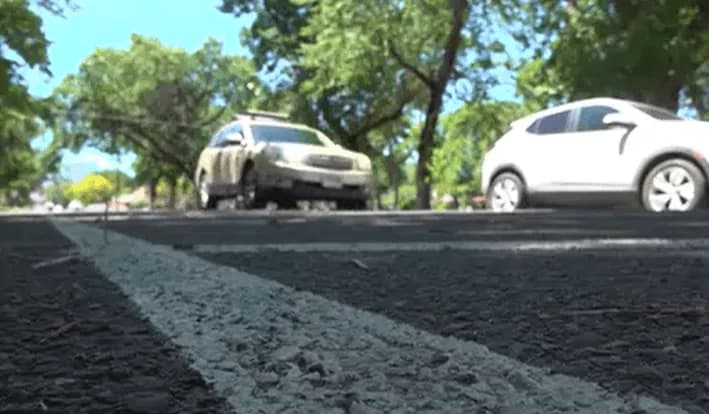
Grand Junction —Why does Grand Junction want to turn Ninth Street into a dedicated bike highway when it’s currently a quiet, low-traffic connector?
That’s the question hanging over the City Council’s head after they reviewed a proposal to install a two-way cycle track along Ninth Street, stretching from North Avenue down to the Riverfront Parkway. The goal is straightforward: create a safe, continuous corridor for cyclists and pedestrians to move north to south, ideally linking directly to Colorado Mesa University.
On paper, it’s a clean solution. In practice, it’s a significant shift in how the city manages non-motorized traffic.
City Engineer Trent Prall explained that Ninth Street was chosen specifically because it’s a “nice quiet out of the way corridor.” The plan isn’t to add bike lanes on either side of the existing road. It’s to build a cycle track — a dedicated, two-way path that sits between the curb and the vehicle lanes. This design separates cyclists from cars more effectively than a standard lane, addressing the growing concern of distracted drivers.
Local resident John Rizzo sees the urgency. He pointed out that with more people looking at their phones behind the wheel, a physical buffer is no longer a luxury; it’s a safety necessity. “It’s more important to kind of give some sort of buffer between the cyclists and the automobiles,” Rizzo said.
Council member Anna Stout made sure folks didn’t confuse this project with the broader street development discussions happening elsewhere in the city. This isn’t about repaving Fourth or Fifth Street. It’s not about diverting car traffic onto Ninth.
“What’s really important and what was clarified at Monday’s workshop is that we are not talking about moving vehicle traffic down ninth and increasing or diverting traffic onto ninth in in vehicle form,” Stout said.
The city argues that Washington Park will remain intact, acting as a natural barrier that keeps vehicle volume low and predictable. If the park stays, the street stays quiet. If the street stays quiet, the cycle track doesn’t need to fight heavy traffic to be safe.
Colorado Mesa University is already looking at Ninth Street as a multimodal hub. They’re planning improvements to the pedestrian and bike path along the route to ensure seamless access to campus. This aligns with the city’s 2023 Bike and Pedestrian Plan, which previously suggested improving Seventh Street. But Seventh had a drawback: reducing lanes for biking and walking there raised concerns about emergency response times. Ninth Street avoids that bottleneck.
So, what does this mean for you?
It means fewer cars on Ninth. It means a clearer path for your commute if you ride to work or hop on the bus to CMU. It means the city is betting that a dedicated cycle track will reduce conflicts between drivers and riders without turning a quiet residential-adjacent street into a commercial thoroughfare.
The cost isn’t listed in the source material, but the logistical impact is clear. The city is prioritizing safety and connectivity over maintaining the status quo of mixed traffic. If the cycle track works as designed, Ninth Street becomes a reliable north-south spine for anyone not driving a car. If it fails to keep vehicles off the road, the whole premise collapses.
For now, the council is moving forward with the assumption that the quiet corridor stays quiet. The burden of proof will be on the city to show that adding infrastructure doesn’t inadvertently invite more cars. Until then, it’s a promise of safety for cyclists and a test of traffic management for drivers.
Keep up with Grand Junction
The day's Western Slope news, one email each morning. Free.
Grand Junction Rotary Delivers $14,000 in School Supplies to District 51
Aspen Giving Network Distributes $887K to 34 Nonprofits