Grand Junction Reinstates Downtown Corridor in Enterprise Zone
The Colorado Economic Development Commission officially reinstates the downtown Grand Junction corridor into the Mesa County Enterprise Zone, unlocking significant state tax credits and incentives for local business owners.
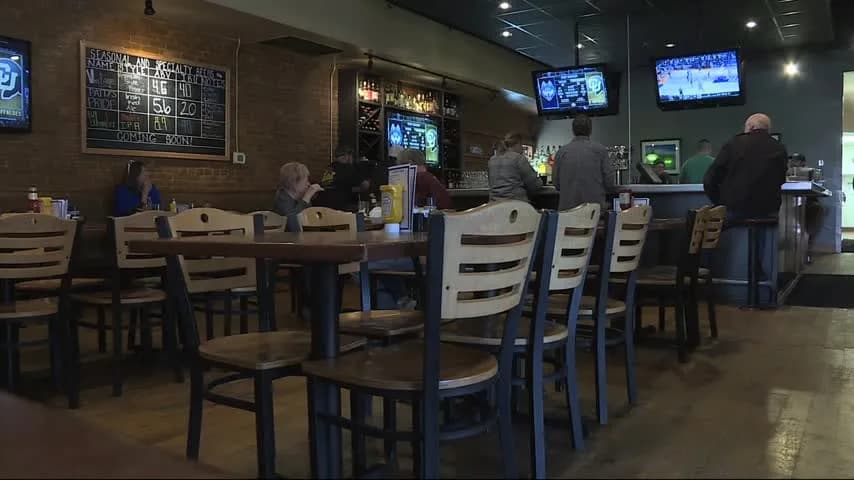
Grand Junction —The morning light hits the brickwork on North Avenue differently now, catching the dust on the windows of storefronts that have stood empty long enough for the city to forget their original names. It’s a quiet kind of waiting, the kind where you can hear the hum of the HVAC system in the Business Incubator Center and wonder if the silence is permanent or just a pause. For years, that pause felt like a verdict. But on Tuesday, the verdict changed. The Colorado Economic Development Commission approved an amendment that officially reinstated the downtown Grand Junction corridor into the Mesa County Enterprise Zone for the next decade, turning a stretch of road from a financial blind spot into a potential goldmine for local investors.
Before this shift, the map was drawn with a heavy hand. Census Tract Three, which covers the vital artery between First and Seventh Streets and from Pitkin Avenue to North Avenue, had been excluded from the zone. It was an oversight that left many business owners wondering why they couldn’t claim the same incentives as their counterparts in the suburbs. Now, using newly released 2024 Census data, the Business Incubator Center (BIC) confirmed that this specific corridor meets the qualifying thresholds for economic distress. The area isn’t just eligible anymore; it’s officially recognized as a place where the state wants you to put your money where your mouth is.
Dalida Sassoon Bollig, the CEO of the BIC, didn’t mince words when explaining the shift. She noted that the redesignation is a signal to entrepreneurs and investors that the community is open for business and willing to back that up with real incentives. When the previous boundaries left parts of Mesa County out, including downtown, the BIC got to work. They ran the analysis, made the case to the Office of Economic Development and International Trade (OEDIT), and successfully brought those areas back in. But they didn’t just draw a new line and walk away. They advocated for robust grandfathering through 2035 for businesses that ended up outside the new boundaries, ensuring they wouldn’t lose ground just because the map shifted.
The incentives themselves are tangible. Business owners in the newly reinstated area can now access state income tax credits for investments in operations, including employee training costs, new job creation, and equipment purchases. There’s the Vacant Building Rehabilitation Credit, which covers 25% of qualifying rehabilitation costs for buildings that have been vacant for two years or longer. That’s a significant chunk of change for anyone looking to breathe life back into a dusty facade. Then there’s the Job Creation Tax Credit, which provides $1,100 for each new employee. It’s not a handout; it’s a handshake. It’s the state saying, "If you hire, we’ll help."
But here’s the catch, and it’s one you need to pay attention to if you’re thinking of opening a shop or expanding your office. These incentives aren’t automatic. Businesses must complete annual pre-certification through the Colorado Office of Economic Development and International Trade (OEDIT) portal before undertaking any qualifying activities. The BIC is urging business owners to immediately pre-certify for the 2026 tax year. You can’t just assume you’re in; you have to prove it.
For those wondering where to start, Kristin Rau, the Mesa County Enterprise Zone Administrator, is the point person. You can reach her at [email protected], or you can dig into the details at gjincubator.org. It’s a lot of paperwork, sure, but it’s paperwork that could mean the difference between a struggling storefront and a thriving one. The map has been redrawn. The incentives are on the table. The question now is whether downtown Grand Junction will seize the moment, or if the dust will settle again.
Keep up with Grand Junction
The day's Western Slope news, one email each morning. Free.



Canadian Tariffs Force Grand Junction Startup To Triple Bike Rack Price

Vail Musician James Carstensen Dies After Choosing Hospice Care