Colorado Ski Towns Face Revenue Squeeze as Short-Term Rental Rates Climb and Occupancy Falls
Colorado ski town short-term rental rates hit $454 while occupancy drops to 18%, signaling a flawed pricing strategy that is bleeding revenue for property owners ahead of the 2026 season.
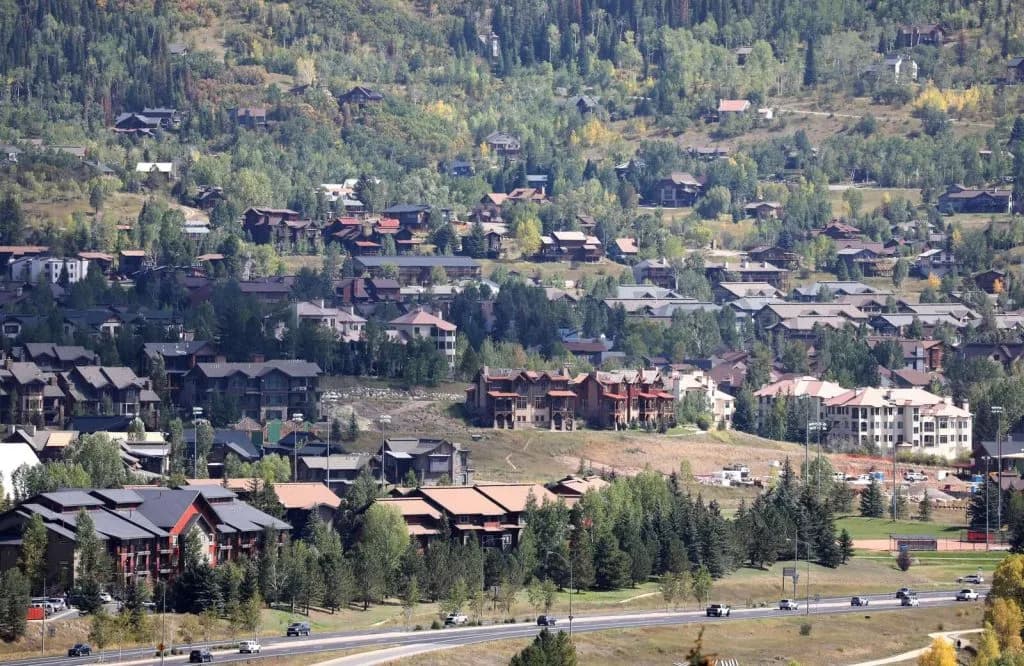
Aspen —Short-term rentals in Colorado ski towns are bleeding revenue. Rates are climbing. Occupancy is falling. And the market isn’t fixing itself.
The disconnect is stark. Ski communities are seeing higher daily rates but lower booking volumes. Non-ski markets are holding steady. The divide is widening, and it’s hitting wallets.
Daniel Leifeld, director of business development with Key Data and a New Castle town council member, laid out the numbers. He spoke at a July 23 webinar hosted by the Colorado Short-Term Rental Alliance, known as COSTRA. The group evolved from the Colorado Lodging and Resort Association in 2025. It now claims to be the unified voice for hosts across the state, with active chapters in Denver and Summit County.
The data tells a simple story: supply is outpacing demand in the resorts.
Colorado’s ski resort short-term rental market finished 2025 with a 25% paid occupancy rate. That matches 2024. Out of 100 available nights, only 25 were booked and paid for. It’s a quarter of the year earning a quarter of the rent.
The outlook for 2026 is worse. The market is pacing at 18% occupancy. That trails the 19% pace recorded at this time last year. The gap is largest in late summer and fall. Winter demand is also weak. Visitors are waiting to see what the snowfall looks like before committing. They aren’t booking early. They’re waiting.
Low snow this spring hurt first-half occupancy. That’s no surprise. But the reaction from owners is causing a new problem.
Average daily rates for short-term rentals in ski markets hit $424 in 2025. That’s up from $419 in 2024. Owners raised prices to compensate for fewer guests. It hasn’t worked.
Pacing for 2026 has already surpassed last year’s rates. The current average daily rate sits at $454. That’s up from $441 pacing last summer. Prices are climbing. Guests aren’t showing up in force.
“We’re kind of ignoring the very obvious fact that there’s low occupancy and pushing the rate somewhat to cover that lost occupancy, but it’s not working,” Leifeld said. “We’re not making more money because of that.”
The strategy is flawed. Raising rates when demand is low is a surefire way to keep demand low. Owners are betting on volume. They’re getting price instead.
This isn’t just about weather. It’s about policy. The results of the state’s Democratic primary could reshape how these rentals are overseen. Progressive upsets in the primary signal a shift in political will. Voters are watching. They see higher rates and lower occupancy. They want answers.
COSTRA is positioning itself to protect property owners. The organization’s mission relies on supporting policies that safeguard the rights of hosts. It wants to ensure the long-term sustainability of the industry. But sustainability requires more than just protecting rights. It requires a market that actually functions.
The current model is broken. Rates are too high. Occupancy is too low. Revenue is stagnant.
Leifeld warned against being “quite so aggressive raising rates when occupancy or demand is this low.” The message is clear. Stop guessing. Start adjusting.
The fall season is approaching. The data doesn’t lie. If owners don’t correct the pricing strategy, the revenue gap will widen. The political landscape is shifting. The market is correcting. The two are colliding.
Neighbors in the valley are watching. Property taxes depend on property values. Property values depend on rental income. Rental income depends on occupancy. It’s a chain reaction.
The short version? Prices are up. Bookings are down. And nobody is sure who’s paying the price when the primary results are counted.
Keep up with Aspen
The day's Western Slope news, one email each morning. Free.