Colorado Records Hottest Summer With Consistent Heat
Colorado experienced its hottest summer on record, with consistent heat across the western two-thirds of the state. The prolonged warmth exacerbated drought conditions and fueled a volatile wildfire season.
Aspen —"One of the things that struck me the most about this summer is the consistency of the heat," said Peter Goble, Colorado State Assistant Climatologist.
Goble’s observation captures the defining feature of the season that just ended. According to the Vail Daily, Colorado has officially experienced its hottest summer on record. This milestone extends a streak of 15 consecutive months where temperatures remained above the 1991-2020 average, a pattern climate scientists link to fossil fuel pollution.
The heat wasn’t isolated to a single region; it dominated the western two-thirds of the state. Nearly every location in that area logged its warmest June through August stretch. To hear them tell it, the lack of relief was the anomaly. In a typical Colorado summer, July and August usually bring a couple of weeks with cold fronts that break the spell. This year, those breaks were virtually nonexistent.
The data from the Colorado Climate Center underscores just how rare that consistency was. At a weather station in Dillon, only seven out of the 92 days in the summer were cooler than the average recorded over the past three decades. Even on those seven days, the temperatures weren’t significantly lower than the historical norm. Conversely, the peaks were extreme. On July 27 and August 22, temperatures soared 11 degrees above the average.
This thermal intensity compounded existing water stress. Heading into the summer, the state was already grappling with widespread and severe drought, a direct result of the record-low snowpack from the previous winter. While August precipitation trended closer to normal, total rainfall across the three summer months remained below average throughout the mountains. As Goble noted, the heat only worsened those drought conditions, driving rivers and reservoirs to record-low levels.
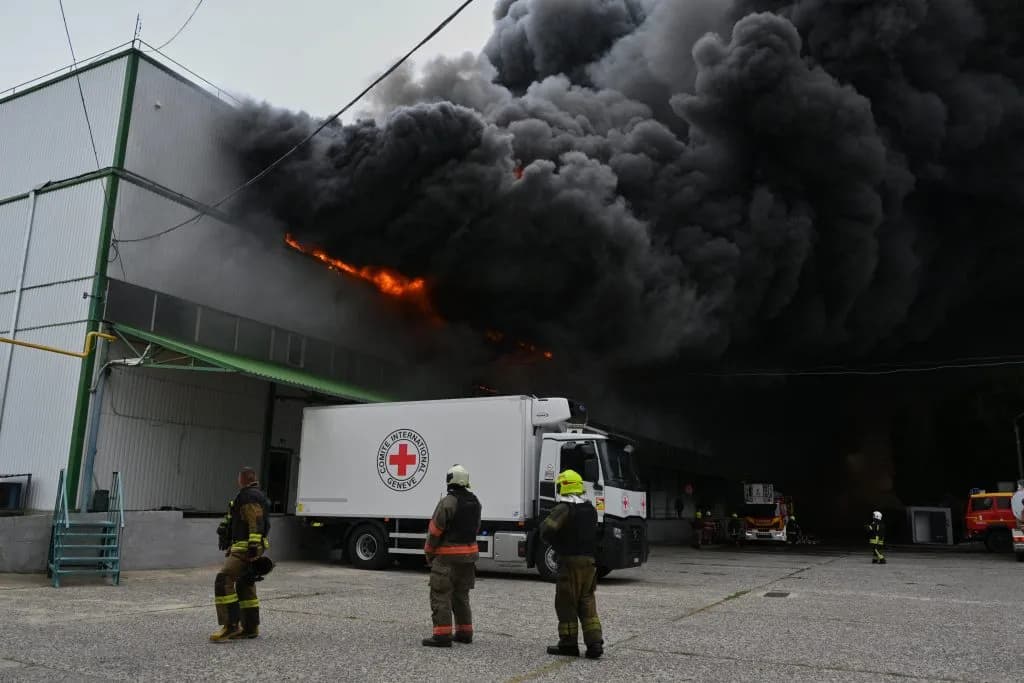
The combination of dry soils and high temperatures created a volatile environment for wildfires. The Vail Daily reported that the state saw a very active fire year, fueled by the dry winter, low snowpack, and the intense summer heat. Major blazes, including the Aspen Acres Fire, the Gold Mountain Fire, and the Willow Fire, exhibited erratic behavior, destroying hundreds of homes and threatening communities from Aspen to Ouray.
Looking ahead, the implications of this summer’s record-breaking warmth extend beyond immediate water and fire risks. Goble pointed out that a dry winter followed by a hot summer leads to dry soils that, over the long run, impact the health of the state’s forests. For neighbors across the Western Slope, the question is whether infrastructure and policy can adapt to a new baseline where "consistency" is the standard, not the exception.
Keep up with Aspen
The day's Western Slope news, one email each morning. Free.