Colorado Supreme Court Pauses Criminal Livestreams Over Social Media Monetization
Chief Justice Monica Márquez suspended mandatory criminal livestreaming for 90 days after unauthorized recordings appeared on monetized social media accounts, sparking debate over judicial transparency and public access.
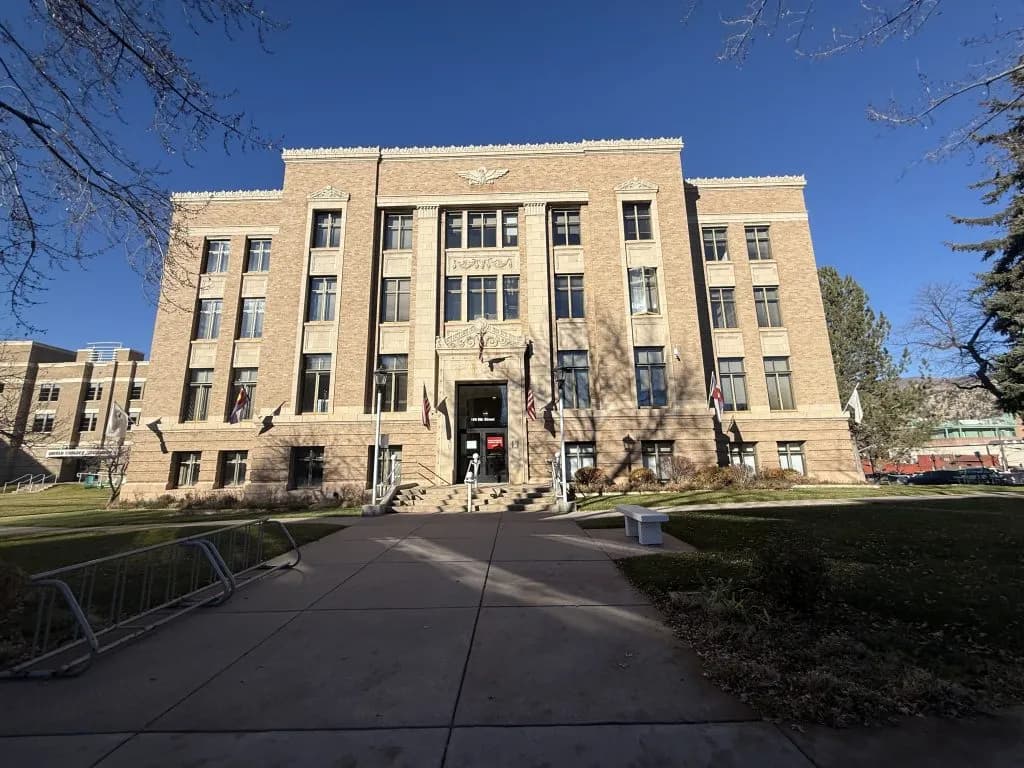
Glenwood Springs —"Put bluntly, our judicial proceedings are being exploited for personal financial gain."
Those are the words of Colorado Supreme Court Chief Justice Monica Márquez, and they explain why the lights went out on the state’s courtrooms. On Sept. 15, Márquez issued a directive temporarily suspending the 2023 mandate that required most criminal proceedings to be livestreamed. The pause lasts 90 days, expiring in December. Until then, the decision to broadcast a hearing rests with individual judges, not the state.
To hear them tell it, the problem wasn’t a lack of access; it was an excess of it. The directive notes that judicial leadership received reports from across the state regarding improperly recorded proceedings being posted online. Specifically, unauthorized recordings appeared on monetized social media accounts, including YouTube and TikTok. Additionally, virtual hearings suffered from repeated disruptions. The math holds up for the administration: if a few bad actors turn public hearings into paid content, the integrity of the record suffers.
However, that depends on who you ask. Jeff Roberts, executive director of the Colorado Freedom of Information Coalition, sees a different reality. For Roberts, the suspension represents a retreat from transparency that hurts the average resident more than it helps the court system.
"In general, I think that more eyes on the judicial system is a good thing," Roberts said. "It helps people understand how the courts work. … There’s an accountability piece of that to make sure the judges and the courts are working properly."
Roberts argues that the current approach punishes the many for the sins of the few. By allowing judges to opt out of livestreaming, the state creates a patchwork of access that is difficult for the public to track. If a judge in one county decides to stream, but a neighbor in the next county does not, the public loses a consistent benchmark for oversight.
"It’s a small number of people doing this, but they’re limiting it for everybody else," Roberts said.
The question is whether this 90-day window serves as a necessary breather for the courts to fix the technical and procedural leaks, or if it becomes a permanent state of affairs where transparency is optional rather than statutory. The 2023 law was designed to ensure that the public could watch the justice system work without having to stand in a gallery. Now, that gallery door is closed, and the key is in the pocket of every judge in the state.
As the December deadline approaches, the focus shifts to whether the Supreme Court will reinstate the blanket requirement or codify the current discretionary model. For now, the screen is black, and the public is left waiting for a signal.
"The courts are working properly," Roberts noted, implying that the verification process itself is currently paused.
Keep up with Glenwood Springs
The day's Western Slope news, one email each morning. Free.


Glenwood Arts Council Pushes Expansion Before 45th Anniversary
Pitkin County Landslide Passes Colorado Education Funding Measure