Pitkin County Landslide Passes Colorado Education Funding Measure
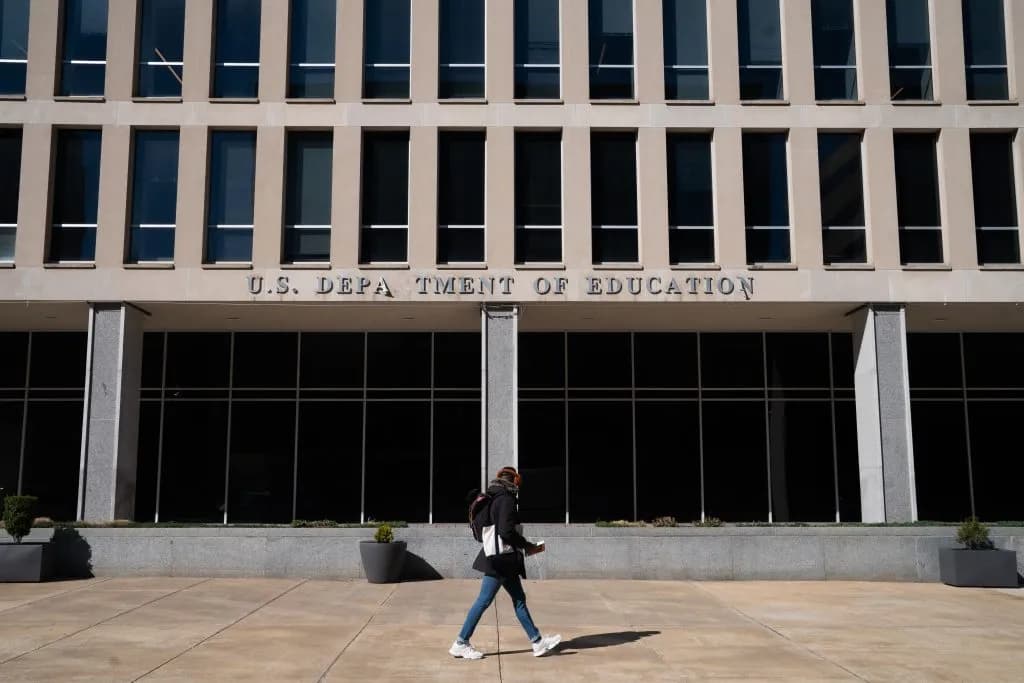
Pitkin County voters backed Proposition NN by a 71% margin, helping pass a statewide measure that retains $4.6 billion in TABOR refunds to boost K-12 funding.
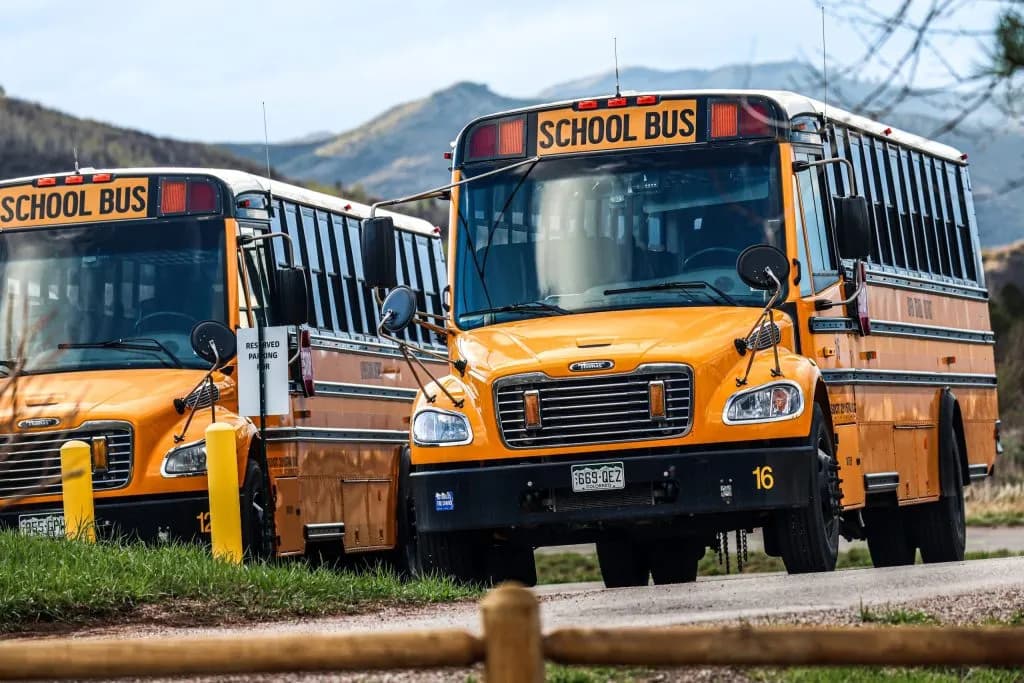
Glenwood Springs —The November air in Aspen is sharp and thin, the kind that bites at your lungs if you stand still too long on a balcony overlooking the valley. In the quiet of Pitkin County, 71% of voters chose "yes" on Proposition NN. That is not a close call. It is a landslide that echoes off the granite peaks of the Elk Mountains and settles into the budgets of local school districts.
The Western Slope just handed Colorado’s education system a lifeline it has been desperately seeking for years.
According to reporting from the Post Independent, rural mountain towns played a decisive role in passing statewide ballot measures that secure more competitive wages for educators and increase state funding. The biggest win was Proposition NN, the first of four attempts to retain revenue above the Colorado Taxpayers’ Bill of Rights cap to gain approval in at least seven years. After three rejections, voters finally said yes.
The measure passed with more than 56% of the vote statewide, according to the Colorado Secretary of State. It allows the state to withhold up to $4.6 billion in TABOR refunds each year. The campaign behind it, Yes for Colorado Kids, argues this will increase state K-12 funding by up to 50% over the next decade. The retained funds will bump state education spending by 2% annually for ten years, a direct response to what officials and advocates have called chronic underfunding.
This was not a uniform victory across the state map. Voters in Moffat, Rio Blanco, Mesa and Grand counties voted against the proposition. But the Western Slope’s support was crucial to pushing the measure over the finish line. Garfield, Eagle, Summit and Routt counties also voted "yes," though with smaller margins than Pitkin.
And that matters because the money follows the vote. Amendment 87, which narrowly passed with 51% of the vote, replaces Colorado’s flat 4.4% state income tax with a graduated system. It lowers taxes for the majority of Coloradans while raising them for top earners. The ballot language promises more than $2 billion in new revenue for K-12 public schools, early childcare and education services. Fewer Western Slope voters backed Amendment 87 than Proposition NN, but Garfield, Eagle, Summit, Routt and Pitkin still landed in the "yes" column.
The Post Independent noted that attempts to increase budgets for school districts didn’t stop at the statewide level. Local property tax increases were also approved by voters in several districts, working in tandem with the ballot measures to help secure those higher educator wages.
For neighbors in the valley, this isn’t just a political headline. It is the difference between a teacher staying in a classroom or leaving for a district with better pay. It is the funding gap that has widened while enrollment and costs climbed. The Western Slope voted with its wallet, and the state now has to deliver on that mandate.
In Glenwood Springs, the sun sets behind the Red Cliffs, casting long shadows across the Roaring Fork. The votes are counted. The money is coming. Now the hard work begins: making sure it actually reaches the kids in the classrooms.
Keep up with Glenwood Springs
The day's Western Slope news, one email each morning. Free.