Democrats Turn to Investigations After Trump Veto Threats
Rep. Bobby Scott launches aggressive investigations into the Department of Education as President Trump threatens vetoes, shifting focus to funding leverage and record preservation.
Aspen —The air in the Capitol still smells of fresh paint and old arguments, but the tone has shifted. “Leave no rock unturned,” Rep. Bobby Scott of Virginia declared, setting the stage for a new era of congressional oversight. He isn’t just talking; he’s taking the helm of the House Committee on Education and the Workforce, ready to wield the power of subpoenas and hearings.
This is the promise of the new majority. But promises, like light through a window, can be distorted by the glass they pass through. The Vail Daily reports that while Democrats are eager to flex their muscle, the reality is far more constrained. President Trump isn’t sitting still. With his veto pen poised, he threatens to strike down any legislative countermeasures that cross his desk. So, what’s left? Investigations. Federal funding as leverage. It’s a quieter weapon, less flashy than a bill signed into law, but it cuts deep into the bureaucracy where decisions are actually made.
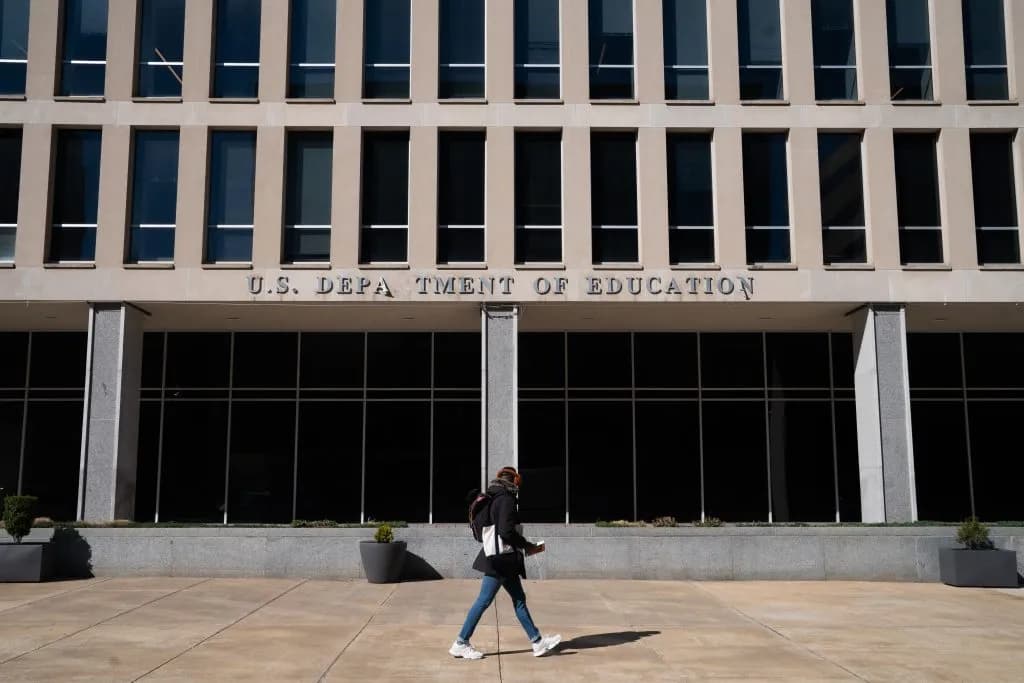
Scott’s committee is already circling the dismantling of the U.S. Education Department, a move that has sent ripples through schools and universities across the country. They’re also looking at the oversight of federal student loans and the administration’s shifting stance on anti-discrimination policies. Under Trump, the department has prioritized investigations into transgender issues while backing away from addressing systemic racism, a trade-off that has outraged many educators and parents.
The reaction from the White House has been swift and sharp. Education Department spokesperson Savannah Newhouse accused Democrats of plotting to “prematurely sabotage” Education Secretary Linda McMahon. White House spokesperson Liz Huston went further, accusing Democrats of failing American students with “disastrous leadership” before Trump returned to office. It’s a familiar dance, each side painting the other as the obstacle to progress.
But the skeptics are watching closely. Diana Autin, executive director of the SPAN Parent Advocacy Network in Newark, New Jersey, offers a sobering perspective. She’s happy that the new Congress is unlikely to pass legislation like the controversial measures of the previous year. Yet, she notes, it’s “not very likely that they will be able to undo the harm that’s already been done.” It’s a reminder that policy is not just about the future; it’s about the present, the classrooms and dorm rooms where students are feeling the effects of these high-level decisions right now.
Sen. Elizabeth Warren of Massachusetts has joined the chorus, calling on her colleagues to “hold the Trump administration accountable for dismantling the Department of Education and turning its back on students.” Her voice adds weight to the argument that this isn’t just partisan politics; it’s about the fate of millions of young people.
As the investigations begin, the focus will turn to the details. How were the decisions made? Which records were kept? Which were discarded? A day after the midterm elections, Scott sent a letter to ten federal agencies reminding them to preserve records that might become part of a congressional review. It’s a small administrative step, but it carries the weight of potential discovery.
The tools are limited, yes. But they are real. And in the hands of a determined majority, even a limited tool can do significant work. The question isn’t whether they can stop every move; it’s whether they can slow it down enough to let the public see what’s happening. In the meantime, the students remain in their seats, waiting for the next instruction, the next change, the next shift in the wind. The light in the classroom is steady, but the shadows on the wall are moving.
Keep up with Aspen
The day's Western Slope news, one email each morning. Free.