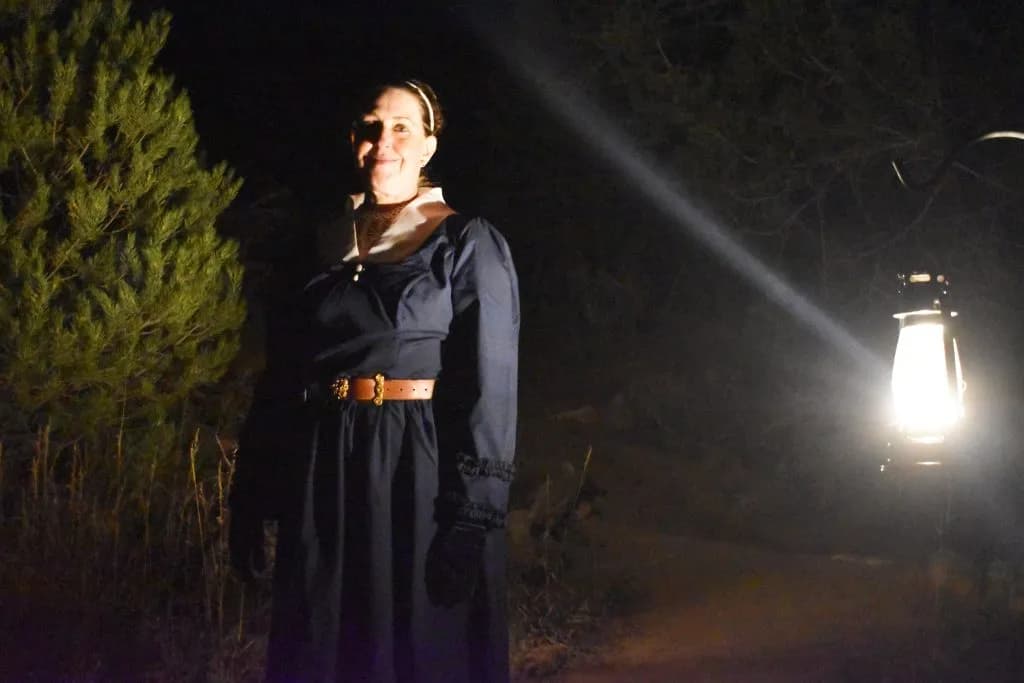
Greeley Museum Registrar Retires Amid $18.1 Million Budget Shortfall
A Greeley museum registrar retired after 28 years amid an $18.1 million city budget hole, joining 52 other employees taking voluntary separation buyouts.
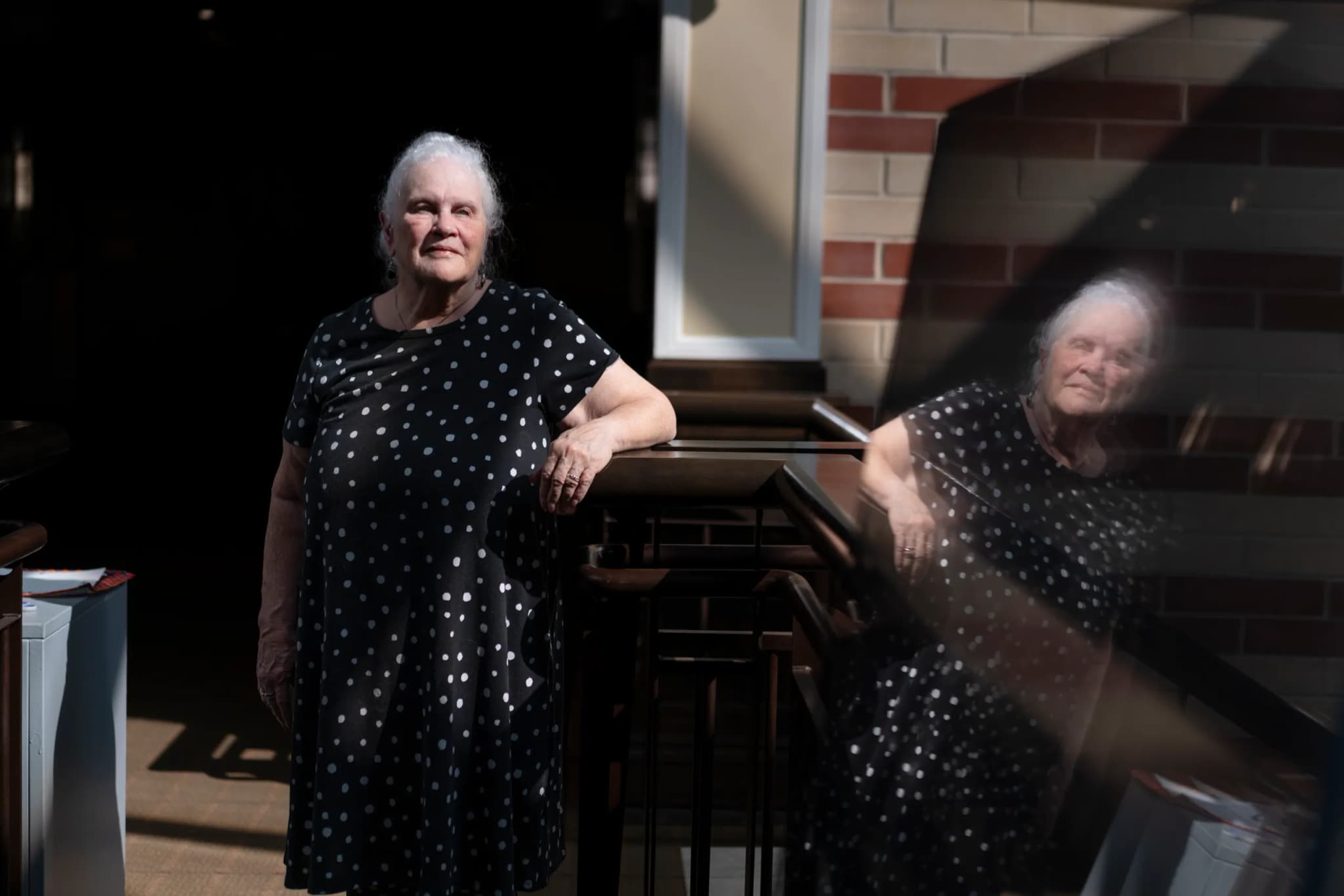
The letters arrived in 1869, yellowed now but still crisp with the promise of a temperance utopia, written by Easterners desperate enough to bet everything on a man named Nathan Meeker and his vision for a town that didn’t exist yet. That town became Greeley, and for almost three decades, JoAnna Luth Stull was the keeper of its memory, the registrar who knew exactly where the first American flag flown over the fledgling settlement in July 1870 was stored, and who could tell you the story behind the ledgers of Oliver Toussaint Jackson, the founder of Dearfield. She was, by all accounts, an encyclopedia of Weld County history, an enthusiastic storyteller who found genuine joy in handling the artifacts of the past, including the boots and the famous rattlesnake-skin dress of “Rattlesnake Kate” Slaughterback, despite her own admitted phobia of snakes. “Being able to have that rattlesnake dress is a huge amount of fun,” Stull said, a sentiment that captures the specific, tactile connection between a curator and their collection. But Stull is no longer here to handle those objects. In June, she took a voluntary separation agreement, retiring after 28 years as museum registrar, a decision she described as made “sadly and reluctantly.” Her departure is not an isolated incident; it is part of a larger, more painful pattern. The city of Greeley is currently trying to close an $18.1 million budget hole in its general fund, and the voluntary separation agreements are one of the primary tools being used to do so. So far, 52 employees across the city’s 21 departments have taken the buyouts, with another handful resigning simply because they didn’t want to wait around to see if they would still have a job next year. Ultimately, 68 full-time positions need to be eliminated by the end of this year. And that is just the personnel costs. Every other cost-cutting measure is on the table, from reducing the capacity of the homeless shelter to ripping out the flowerbeds in front of City Hall. The museum staff and their supporters have been particularly outspoken about this process, clashing with Diana Frick, the director of the culture, parks and recreation department, over the $3.7 million that her department was tasked with cutting for 2027. This turmoil has exposed a deep crack in how a city values qualitative offerings when they show up on a spreadsheet. When city leaders were asked to rank the various services provided by the department, the answer was clear: the museum, with its history, its stories, its tangible connection to the past, was not high on the list. It was a place where you could feel the weight of the years, where the light coming through the windows fell on objects that had survived wars and floods and the slow erosion of time. Now, that light might fall on empty shelves. Stull knew that. She knew it better than anyone. And that is why she left. Not because she stopped loving the work, but because she loved it too much to watch it disappear, piece by piece, while the city argued about the numbers. The last thing she touched before she walked out the door was the rattlesnake dress. She held it for a second, just to feel the texture of the skins, the way they crinkled under her fingers. Then she put it back in its case, closed the lid, and turned off the light.
Keep up with the Western Slope
The day's Western Slope news, one email each morning. Free.
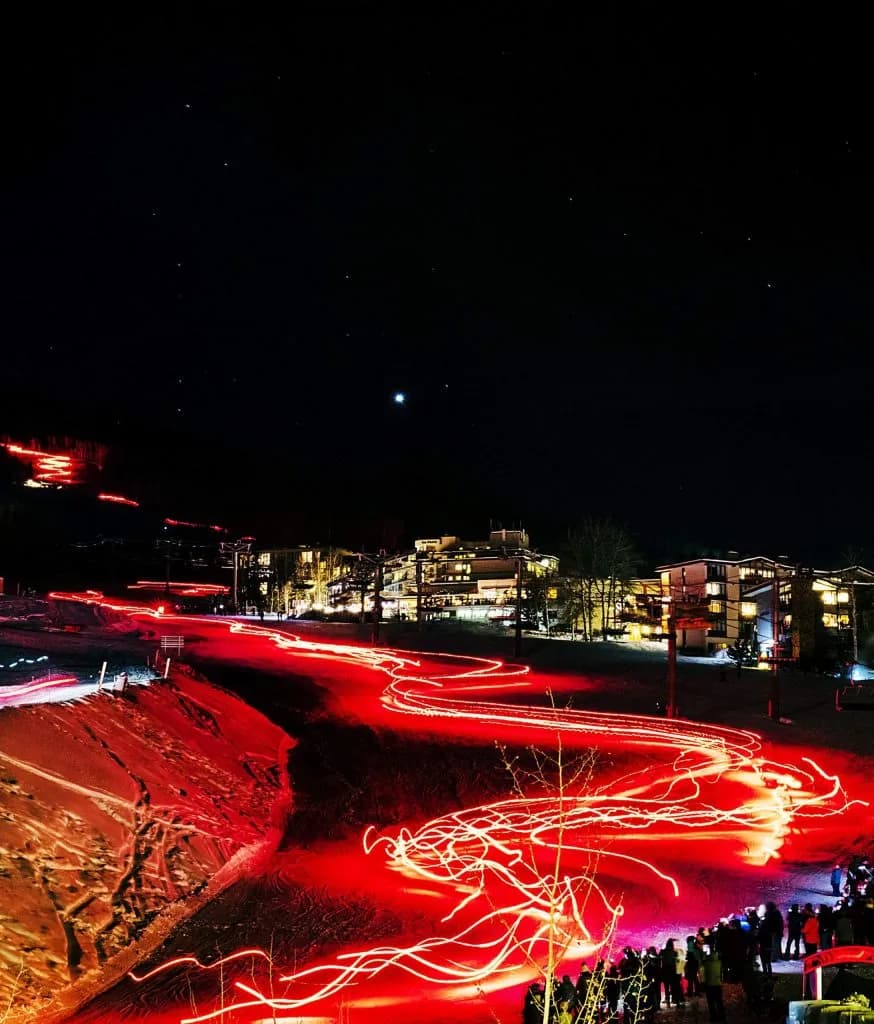
Aspen Snowmass Unveils 75th Wintersköl and Free Daily S'mores
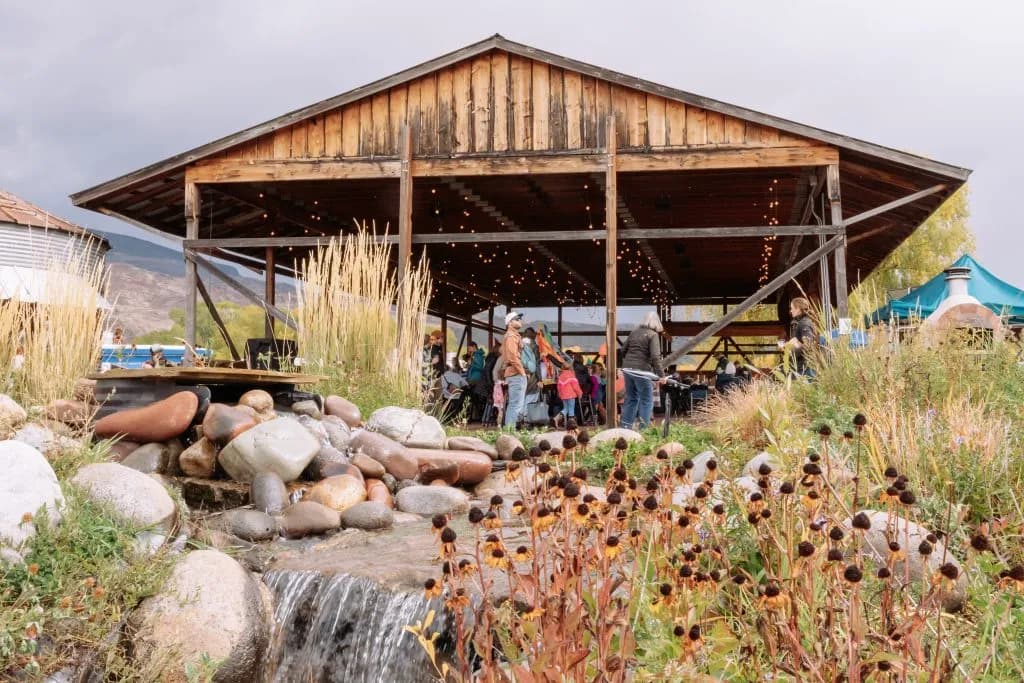
Aspen's ACES Returns Annual Harvest Party to Rock Bottom Ranch