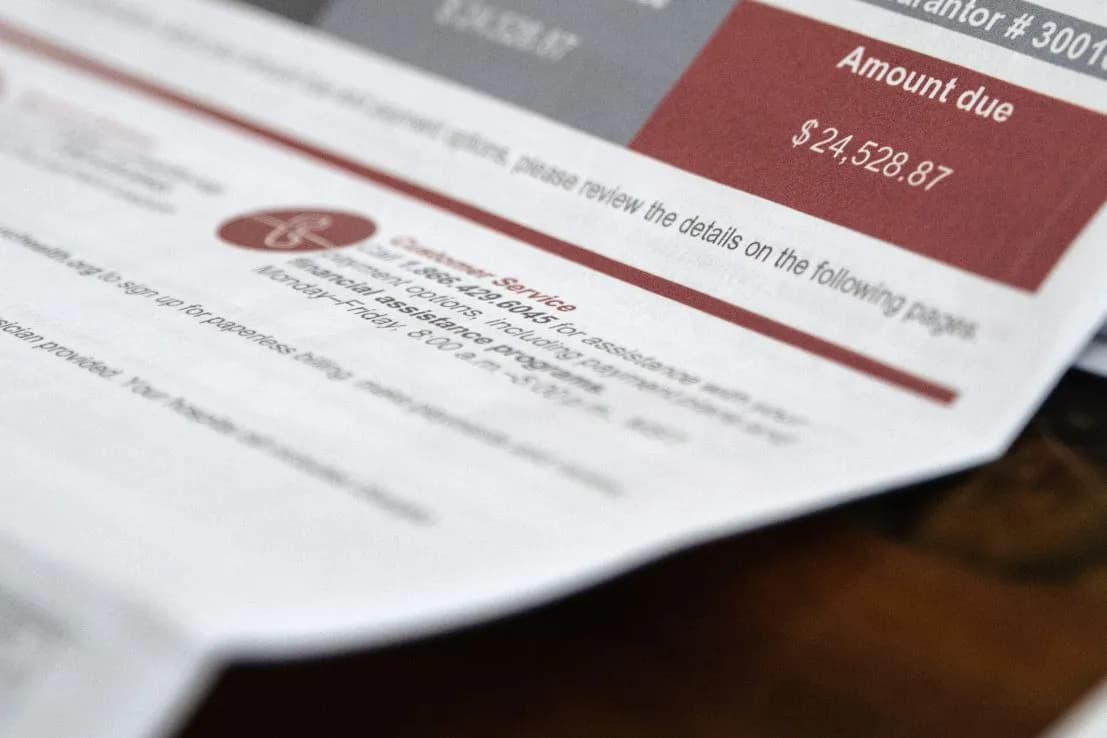
Greeley Swift Beef Workers Return After 3-Week Strike
Nearly 3,800 Swift Beef Co. workers in Greeley return to work following a three-week strike, raising questions about immediate impacts on local beef prices and the $17 billion meatpacking giant's operations.
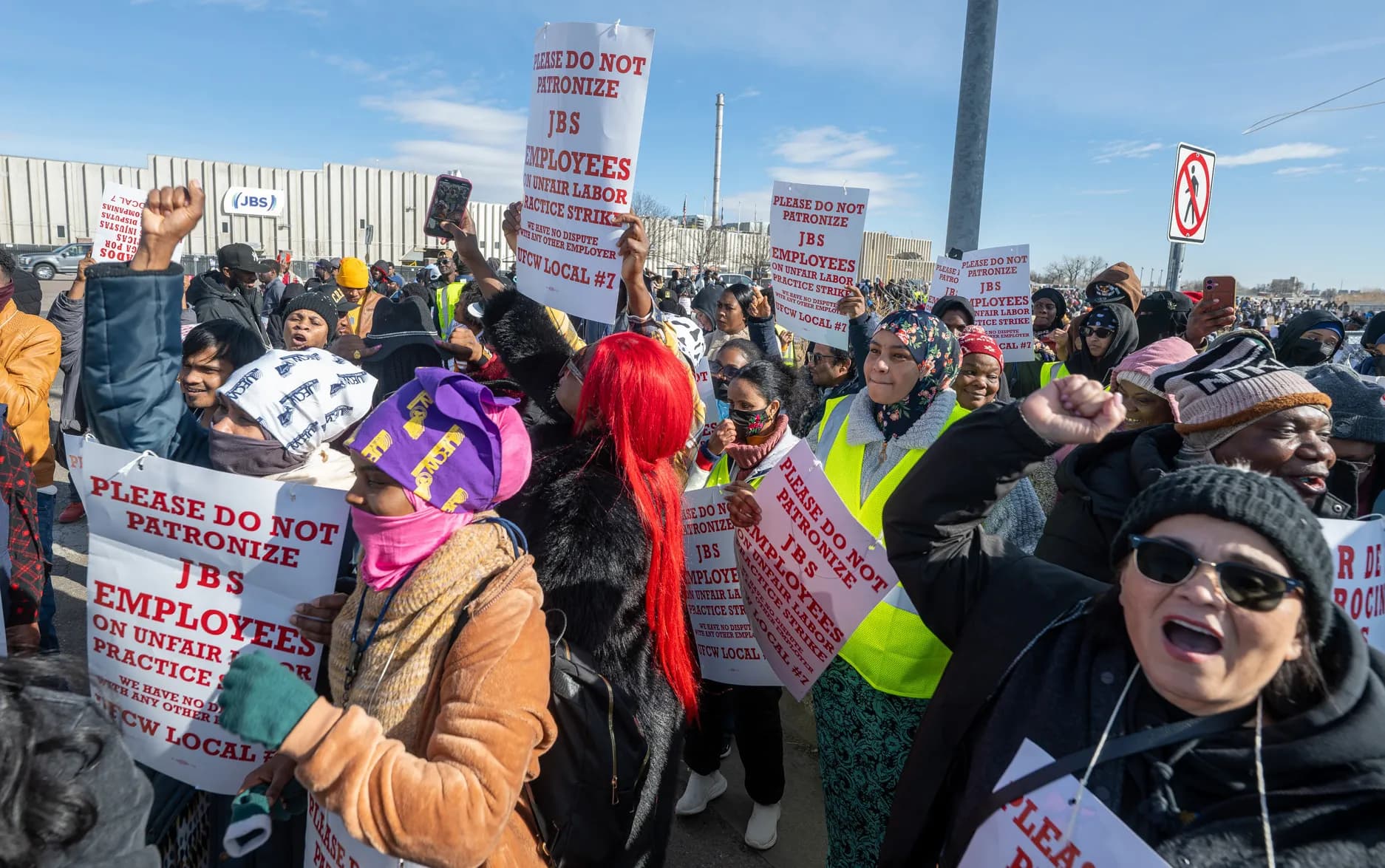
Colorado —Will the beef on your dinner plate actually get cheaper when the workers go back to work, or is this just a pause in the bleeding for JBS USA?
That’s the question hanging over Greeley this week. Nearly 3,800 workers are set to return to the Swift Beef Co. plant on Tuesday morning. They’ve halted their three-week strike after the company agreed to reopen negotiations. On paper, it’s a victory for the United Food & Commercial Workers Local 7. In practice, it’s a complex economic puzzle that locals need to understand before they head to the grocery store.
The strike began on March 16. It wasn’t just about a few dollars an hour. Union officials accused management of retaliation and unfair labor practices. They pointed out that JBS offered less than 2% more in annual wages. That sounds small. It is small. But in Colorado, where inflation has been eating away at purchasing power for years, a sub-2% raise doesn’t cover the cost of living. It barely covers the gas to drive to the plant.
JBS USA, the world’s largest meatpacking company with a $17 billion market capitalization, says it’s ready to ramp up operations. Spokesperson Nikki Richardson stated the company is "preparing to resume and ramp up operations at the Greeley plant next week." She added that their "Last, Best and Final offer remains on the table." The union’s president, Kim Cordova, said workers "remain united and will continue to fight."
Let’s look at the scale. This isn’t a small family butcher shop. The Greeley plant handles about 6% of the total U.S. beef slaughterhouse capacity. That is a significant chunk of the national supply. When you shut down a facility of that size, you don’t just lose productivity. You create a bottleneck.
The timing is brutal for ranchers. U.S. cattle numbers have hit a 75-year low. Drought and low prices forced herds onto the block. Meanwhile, beef prices have soared to record levels. The strike added another layer of anxiety to an already strained supply chain.
Jennifer Martin, a livestock market adviser for Ever.Ag, noted that an extended strike threatened to disrupt the industry, which could ultimately drive up prices. If the plant stays closed, supply tightens. If supply tightens, prices rise. That’s basic economics, not a prediction.
This is the first strike at a U.S. slaughterhouse since 1985. The Hormel plant in Minnesota held out for over a year. It included violent confrontations between police and protesters. Greeley isn’t expecting riots, but it is expecting disruption.
JBS denies any labor law violations. They say their offer was fair. The union says it wasn’t. The workers are going back to work, but the "final offer" is still up for review. If the workers reject it, the fight continues. If they accept, the plant runs.
For the people of Greeley, the impact is immediate. This is the top employer in a city of 114,000 people, located 50 miles northeast of Denver. When the plant runs, the local economy breathes. When it stops, the ripple effects hit the suppliers, the truckers, and the local businesses that depend on the shift workers’ paychecks.
The bottom line? You might see slightly higher beef prices in the short term if the strike had caused a backlog. But the real cost is the uncertainty. The workers are back. The negotiations are open. But until that final offer is voted on and accepted, the leverage is still in play. And until then, the price of your steak remains tied to how long JBS is willing to wait for the workers to blink.
Keep up with Colorado
The day's Western Slope news, one email each morning. Free.
Federal Report Sets 200,000 Acre-Foot Water Conservation Target for Upper Basin
Colorado Parks and Wildlife Deploys Precision Drones for Weed Control