Hiker Trapped on Four Pass Loop Saved by Helicopter
A hiker trapped on the Four Pass Loop between Aspen and Crested Butte was rescued by a helicopter after suffering from exposure during a winter storm.
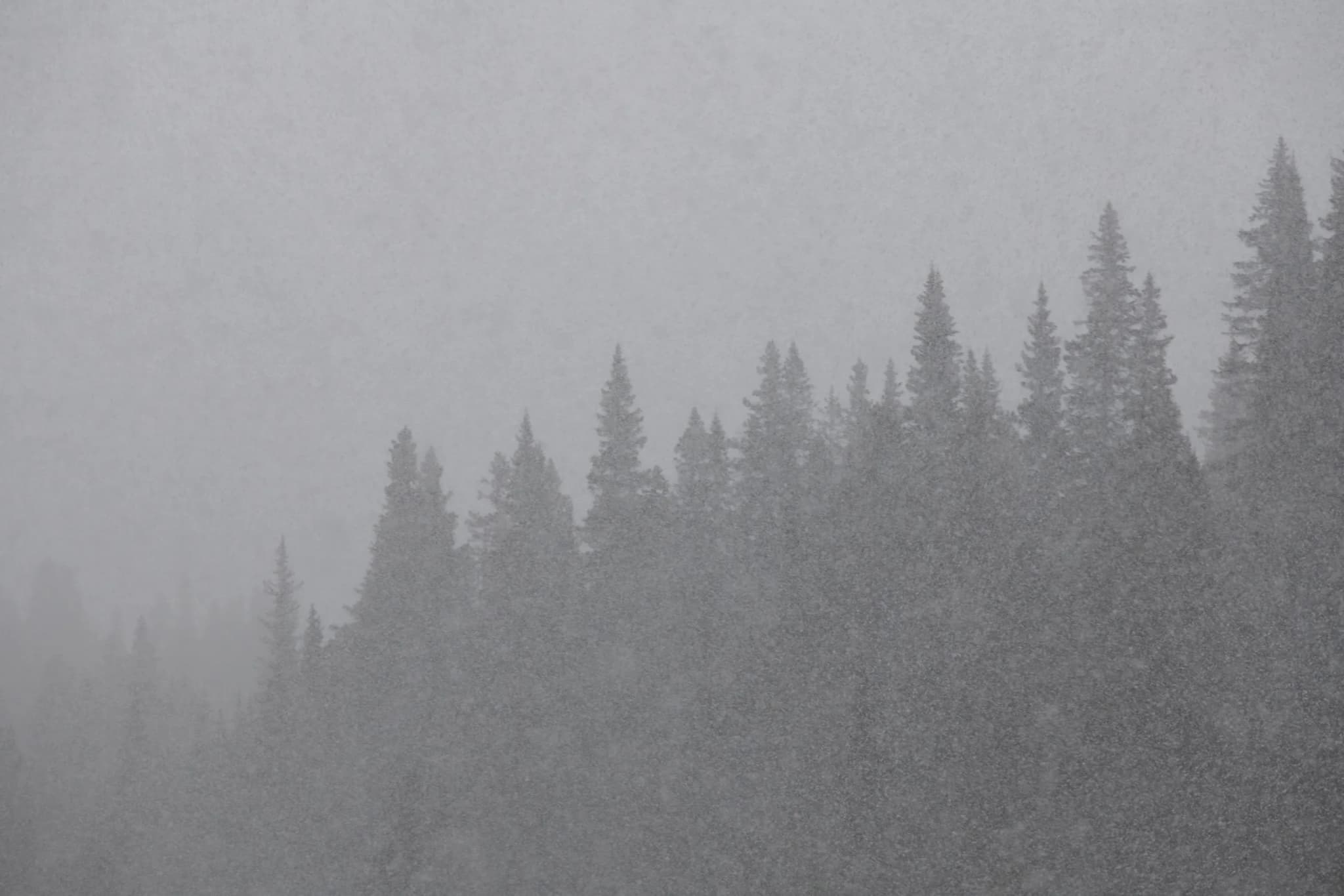
A 37-year-old woman sent a text to 911. “Please help me.”
Her phone battery was at 10%. She was alone on the Four Pass Loop, struggling through snow near Frigid Air Pass, a 12,400-foot crossing between Aspen and Crested Butte. The Colorado Sun reported that CareFlight of the Rockies accepted the call, and Crested Butte Search and Rescue dispatched a five-person ground team on foot.
They reached the top of the pass around 3 a.m. The hiker was below them, but the descent was complicated by deep snow, steep terrain, and avalanche concerns. By 6 a.m., the team reached her. She was suffering from exposure and could no longer walk on her own.
The rescue required a helicopter hoist operation involving the Colorado Army National Guard and specialized technicians from Vail Mountain Rescue Group. A Black Hawk helicopter from the High-Altitude Army National Guard Aviation Training Site in Gypsum arrived about four hours after the initial contact. The woman was extracted safely later that morning.
That timeline matters. For context, the weather turned while she was already on the pass. In practice, that is when most people make their worst decisions.
Colorado mountain safety organizations recommend one primary action: abandon the summit. Don’t wait for the weather to get worse. If clouds are building, temperatures are dropping, winds are picking up, or precipitation is starting, turn around. The National Park Service advises hikers to reverse course when a trail becomes too difficult to travel safely or when they lack the appropriate gear.
Winter weather can move in at any time of day. Above treeline, there is little protection from wind or lightning. A familiar route can become impassable in minutes.
The incident highlights a gap between preparation and execution. Checking forecasts, carrying the right gear, and leaving a trip plan with someone at home are essential precautions. But they do not answer the immediate question: what do you do when the storm is already on top of you?
The answer, according to safety experts, is to stop pushing toward the peak. Most hikers die in Colorado because they try to finish a route that is no longer safe. The summit does not care about your itinerary.
For locals, the cost of a rescue like this is not just physical risk. It is logistical and financial. A helicopter hoist operation involves multiple agencies, specialized equipment, and hours of coordinated effort. When you call in a rescue, you are asking the community to spend its resources on your mistake or your miscalculation.
The Four Pass Loop is a popular route for experienced backcountry travelers. It connects Aspen to Crested Butte through high alpine terrain. That popularity does not make it safe when the weather shifts. It just means there are more people who might be caught in the same storm.
If you are hiking above treeline, know your turn-around time before you start. Not the summit time. The turn-around time. If you are at 10,000 feet and the temperature drops ten degrees in an hour, you are not on a hike. You are in a survival scenario.
The woman in the Colorado Sun story survived because she sent that text before her battery died. She survived because a five-person team hiked up in the dark and a helicopter waited four hours to arrive. She survived because she did not try to push through the snow alone.
That is the lesson. The mountain will take you if you hesitate. Turn around early.
Keep up with the Western Slope
The day's Western Slope news, one email each morning. Free.