Hunters Sue Colorado Over Sudden Two-Per-Day Furbearer Bag Limit
Safari Club International and the Sportsmen’s Alliance Foundation sued Colorado Parks and Wildlife after commissioners slashed furbearer bag limits to two per day, arguing the public never voted on that specific restriction.
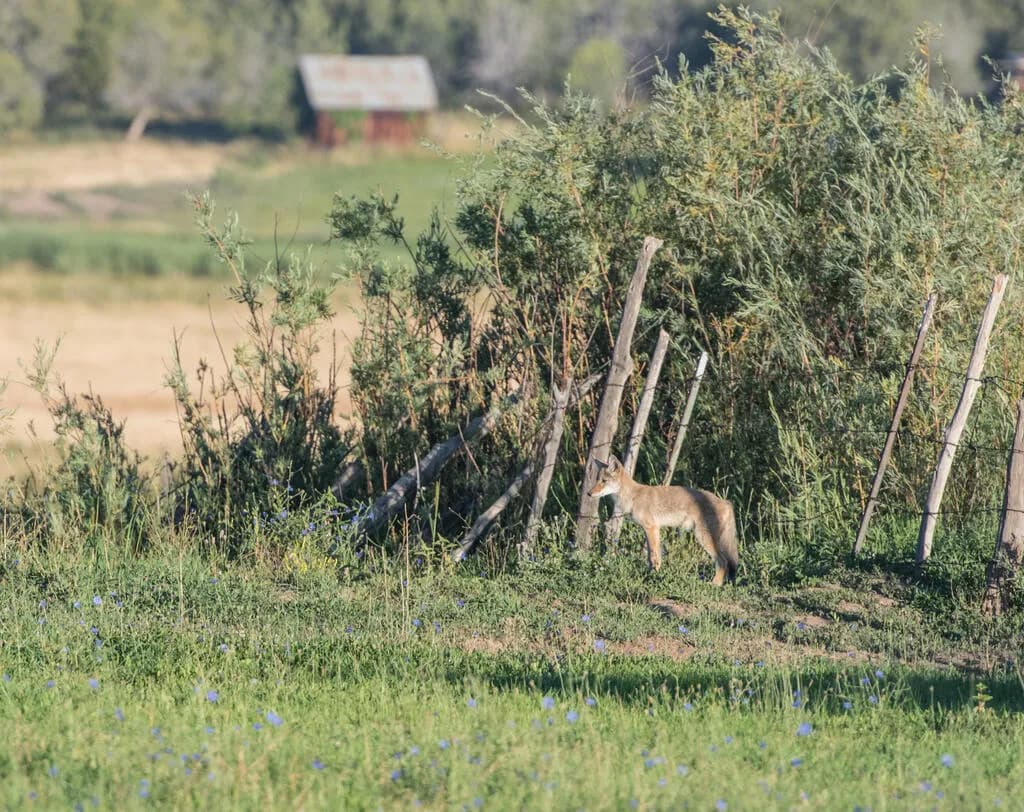
The air in the commission room on July 16 likely smelled of stale coffee and tension, a familiar scent to anyone who has sat through hours of public comment on the Western Slope. But for the folks in the audience that day, it was less about the atmosphere and more about a number on a slide: two. Two per day, per person, for 17 furbearer species. A week earlier, the public had been debating limits of four or eight. Now, it was two.
That shift is the heart of a new lawsuit filed by Safari Club International and the Sportsmen’s Alliance Foundation, both of which argue that the Colorado Parks and Wildlife Commission didn’t just change a rule; it broke the process. The organizations claim the commission violated Colorado’s State Administrative Procedure Act by slashing the daily harvest limit from 17 species per day to two without giving the public a real chance to weigh in on that specific, dramatic restriction.
The legal challenge centers on Commissioner Rebecca Niemiec, one of three new members appointed by Gov. Jared Polis in early June. According to the Colorado Sun, Niemiec is an associate professor at Colorado State University’s Warner College of Natural Resources and the founder of its Animal-Human Policy Center. During the July meeting, she questioned CPW staff on their proposed limits and then pushed for a vote on the two-per-day cap, citing a survey she had conducted.
Michael Jean, an attorney for the Sportsmen’s Alliance, didn’t mince words about that survey. He accused Niemiec of “rushing” the data to get it out the day before the vote. As Jean told the Colorado Sun, “There was no need for the limit at all. The population was always healthy, and things were fine in the state.”
If you look closely at the timeline, the friction was building for months. Back in March, the commission had already advanced a petition from the Center for Biological Diversity to ban commercial furbearer fur sales, despite CPW staff and Director Laura Clellan recommending against it. By May 29, the commission issued public notice to consider new daily bag limits for species ranging from beavers and pine marten to foxes, bobcats, muskrats, and coyotes. Historically, there were no bag limits for these animals. The public was invited to comment on two specific options: a limit of 15 per species, or a tiered system of four to eight.
What the public did not comment on was a limit of two.
The lawsuit argues that by adopting a limit so drastically different from the proposals presented for public notice, the commission failed to meet its statutory obligation to keep final actions consistent with what was actually put out for debate. For hunters who have tracked these animals along the valleys and ridges of the state, this isn't just a bureaucratic technicality. It’s a change in the texture of the hunt itself, a restriction that fundamentally alters how one can engage with the landscape.
There’s a warmth to the idea of open access, a tradition that has defined outdoor life here for generations. But as the legal battle moves forward, the question lingers in the quiet of a hunting camp: does a healthy population justify a sudden, unannounced tightening of the leash? The answer will likely be written in court filings rather than on a trail, but for now, the silence of the woods feels a little different.
Keep up with the Western Slope
The day's Western Slope news, one email each morning. Free.