Judge Rules DOJ Has No Right to Colorado’s Sensitive Voter Data
U.S. District Court Judge Philip Brimmer ruled the Department of Justice lacked legal grounds to access Colorado’s unredacted 2024 voter rolls, dismissing the lawsuit with prejudice and keeping sensitive personal data secure within the state.
The federal government didn’t just want to look at Colorado’s voter rolls. It wanted the raw, unredacted data — the driver’s license numbers, the last four digits of Social Security numbers, the whole sensitive digital fingerprint of every Coloradan who cast a ballot in 2024.
And for a while, it looked like the Trump administration might just take it.
Then came Tuesday’s ruling from U.S. District Court Judge Philip Brimmer, who decided the Department of Justice (DOJ) had no legal right to the data and dismissed the lawsuit with prejudice. That last part matters. It means the feds can’t just refile and try again next week. They’re out.
Brimmer, who was nominated to the bench by George W. Bush in 2008, found that the DOJ failed to provide a sufficient reason for needing unredacted access. The administration’s argument was simple: accurate voter rolls are the cornerstone of fair and free elections, and too many states were falling behind on maintenance. But Brimmer wasn’t buying it. The federal government wasn’t entitled to the sensitive information under federal law.
Colorado Secretary of State Jena Griswold didn’t waste time celebrating. She got straight to the point.
“Trump and his DOJ are attacking elections and democracy. We will not let them win,” Griswold said in a written statement.
The conflict started last year when the DOJ asked a number of states to hand over all records from the 2024 federal election. Colorado didn’t comply. The state had already given the DOJ copies of its master voter file, which is publicly available anyway. But the DOJ sued specifically for the sensitive bits — the personal data that makes a voter file vulnerable.
Griswold had a two-part defense ready. First, state law. An update to Colorado’s open records laws in 2024 blocks sensitive personal data like birth dates and signatures from being released publicly. Even if she wanted to hand over the goods, she couldn’t. Second, trust. She told CPR News in March that the DOJ was trying to collect a lot of data on American voters, and they didn’t have a legal right to the sensitive information they were asking for.
“We don’t trust what they’re trying to do with it,” she said.
That lack of trust wasn’t just hers. Other Democratic election officials from a number of states worried the Trump administration would use the information to check voters’ citizenship. It’s a familiar political playbook: get the data, find the flaws, prove the system is broken. But this time, the courts said the feds didn’t have the legal footing to make the case.
The White House didn’t immediately return a request for comment on Tuesday’s ruling. That silence might be strategic. Or it might just be that the DOJ is already reviewing its options, even if they can’t refile the exact same suit.
Griswold called the ruling a victory that affirms Trump’s DOJ has no right to Coloradans’ sensitive voter information. It’s a clean break. The data stays in Colorado. The feds go home.
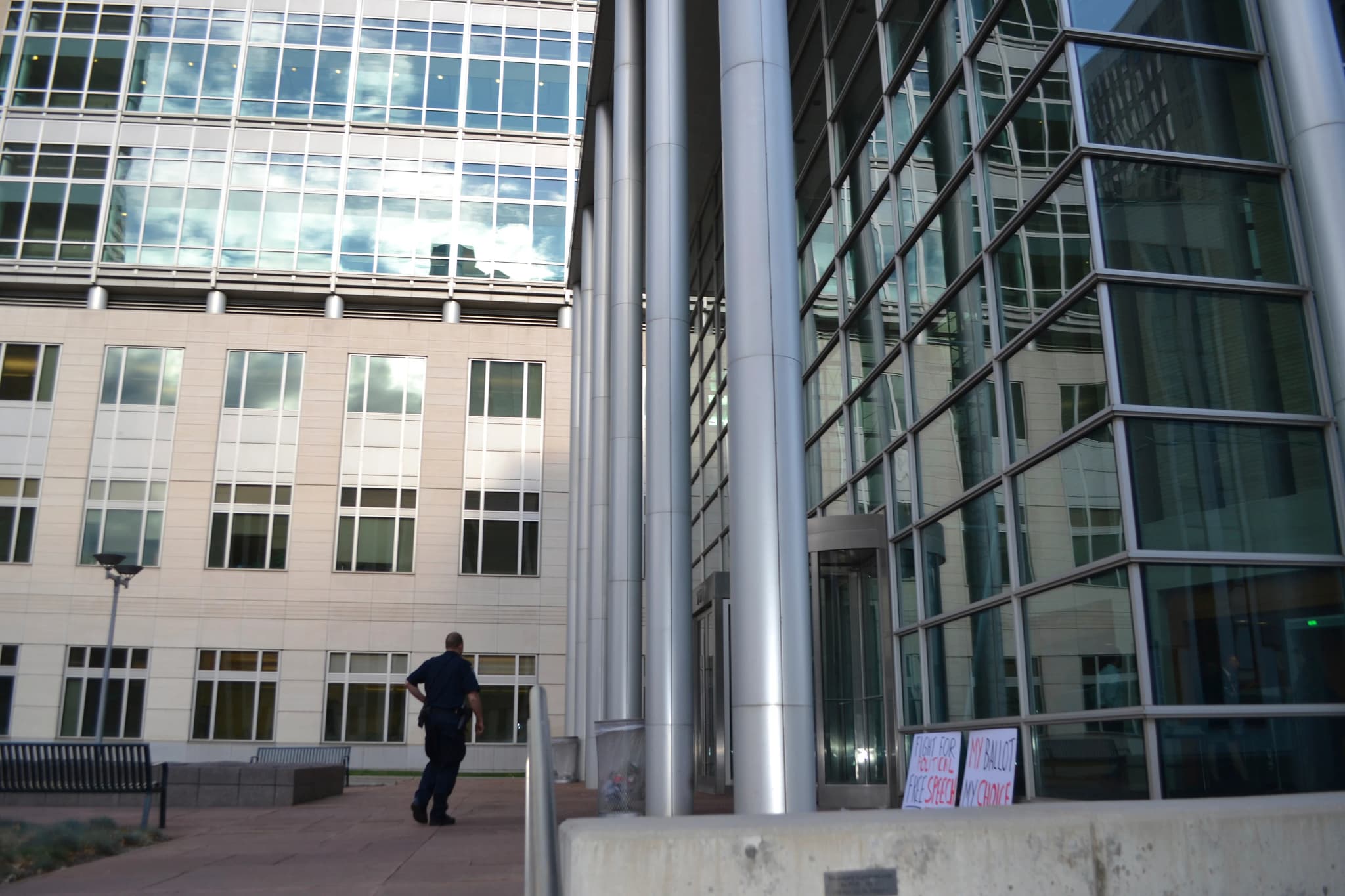
Outside the Alfred A. Arraj Courthouse in downtown Denver, the air is still crisp from the summer. A Federal Protective Service officer stands guard, watching the traffic on 16th Street. Inside, the docket is cleared. The lawsuit is over. The voter rolls are safe, for now.
Keep up with the Western Slope
The day's Western Slope news, one email each morning. Free.