Kawuneeche Valley Restoration Invests $4 Million to Fix Rocky Mountain National Park Wetland
A $4 million investment in Rocky Mountain National Park's Kawuneeche Valley aims to restore the wetland complex and secure water supply for Grand Lake by leveraging natural beaver engineering.
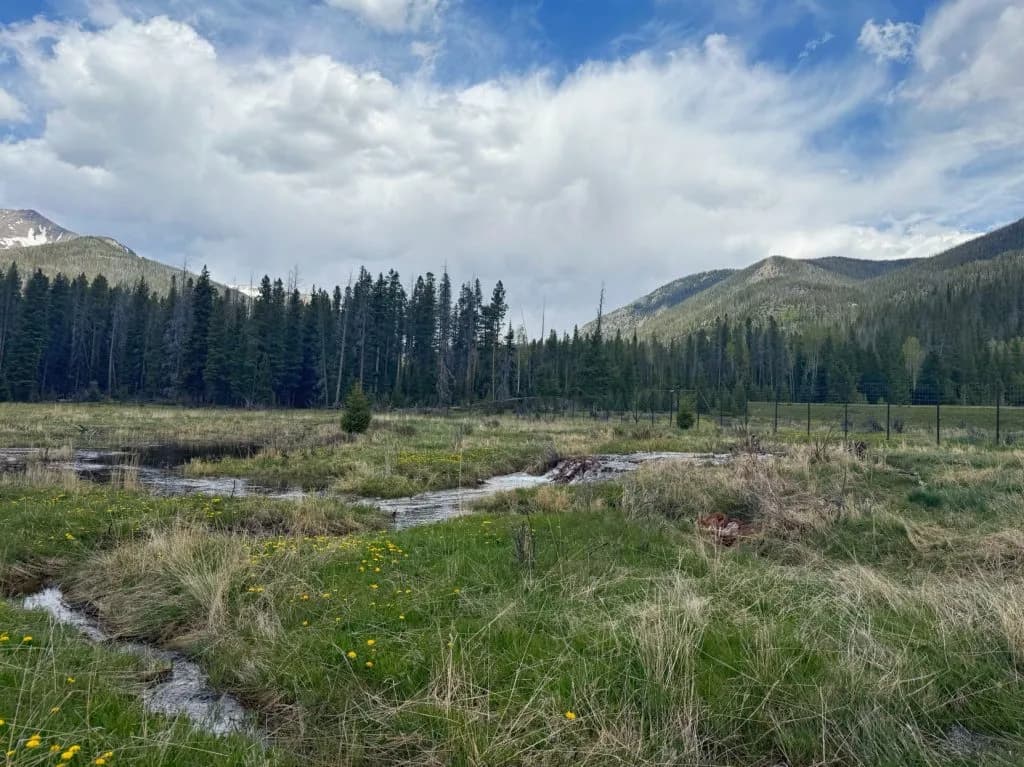
Steamboat Springs —A $4 million investment to fix a valley that used to be a thriving wetland complex, now reduced to a dry grassland of "zombie willows."
That’s the price tag so far for the Kawuneeche Valley Restoration Collaborative’s first project site at Beaver Creek in Rocky Mountain National Park. It’s not just about putting beavers back in the trees. It’s about fixing the hydrology of the Colorado River headwaters before the water even reaches Shadow Mountain Reservoir.
Kimberly Tekavec, senior source water protection specialist for Northern Water, puts it bluntly. The valley was once a "beaver-willow-wetland complex" stretching eight miles long and half a mile wide. It was biologically diverse. It worked. Then, over the last century — specifically the last few decades — it collapsed.
Why? Overgrazing by elk and moose. Neglected irrigation systems. Changing hydrology. Human activity drove the beavers out and turned a sponge into a sieve.
Jeremy Shaw, a research scientist with Colorado State University who has led these restoration efforts, calls a healthy wetland a "drought resilience machine." He lists its functions without fluff: it’s a fire break. A water quality plant. A water treatment plant. It traps sediment and nutrients. It outputs clean, reliable water. It slows it down and spreads it out.
On paper, mimicking beavers sounds like a nature documentary. In practice, it’s infrastructure.
The collaborative formed in 2020. It’s a coalition of Northern Water, Rocky Mountain National Park, Colorado State University, Grand County, the town of Grand Lake, the Arapaho-Roosevelt National Forest, the Nature Conservancy, and the Rocky Mountain Conservancy. They’ve raised over $4 million. That money isn’t just for the first site. It’s for planning three additional sites within the national park.
The logic is simple. If the land holds water, the drought hits less hard. If the wetland is functional, the water quality improves before it hits the reservoir that supplies Grand Lake and the surrounding valley.
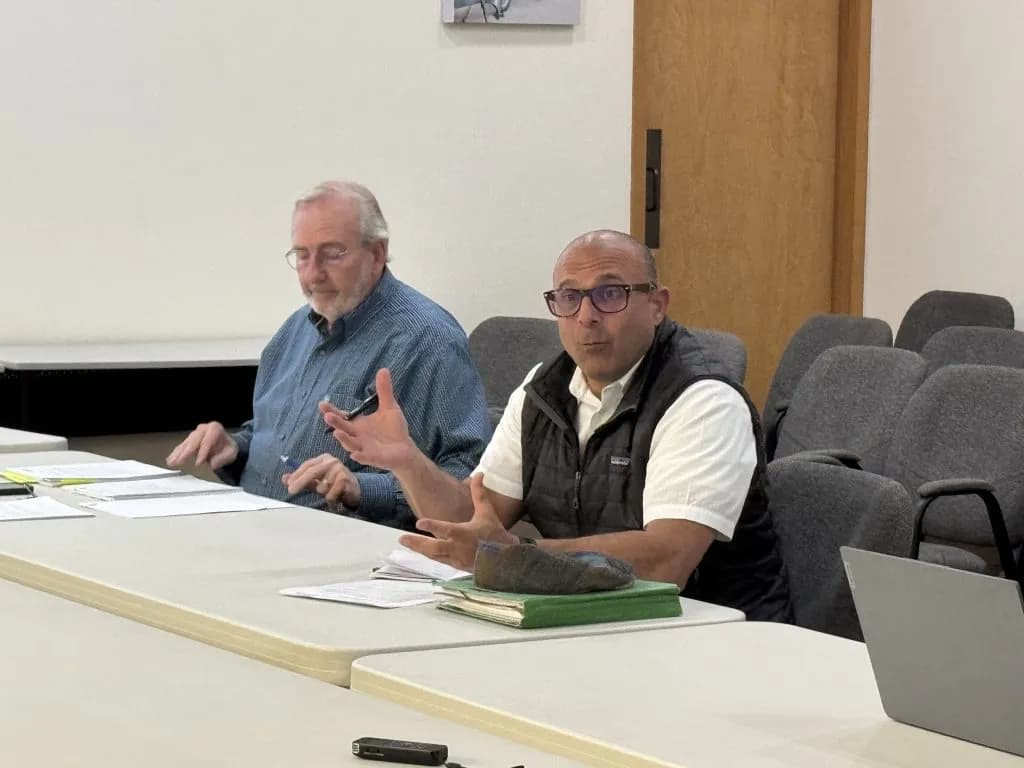
The tour on June 2, 2026, brought state water experts and elected officials to Beaver Creek. They weren’t just looking at trees. They were looking at how to reverse the "ecosystem collapse" Tekavec described. The goal is to create a habitat beavers will return to. Once they’re back, they do the heavy lifting. They build dams. They raise the water table. They stop the valley from drying out completely when the snowpack melts.
For context, Shadow Mountain Reservoir is the next major stop for that water. If the Kawuneeche Valley doesn’t hold it, the reservoir gets it all at once, or worse, loses it to evaporation and runoff. Restoring the wetland is a buffer. It’s insurance.
The $4 million figure is small compared to the cost of building new water treatment plants or dredging reservoirs. It’s larger than the annual road maintenance budget for many of the smaller towns in the valley, but it buys a system that works for decades.
The project doesn’t just restore ecology. It secures water supply. It reduces fire risk. It filters sediment. It’s engineering, but it’s natural engineering.
The collaborative is betting that if you give the beavers the tools, they’ll build the infrastructure. The humans just have to pay for the initial setup and get out of the way.
That’s what locals need to understand. This isn’t just a park project. It’s a headwater protection strategy. The water that flows out of Kawuneeche Valley eventually flows to Grand Lake. It flows to the reservoir. It flows to the taps in the towns downstream.
The cost is $4 million so far. The benefit is a landscape that doesn’t dry up when the drought hits. That’s a return on investment most infrastructure projects can’t match.
Keep up with Steamboat Springs
The day's Western Slope news, one email each morning. Free.

Moffat County Fair Awards Crown Winners in Horse Show and Crafts
Leela Bridgewater and Corgi Freya Win Routt County Fair 4-H Dog Show