Kirkmeyer Promises $6B Road Funding and Lower Taxes for Western Slope
Kirkmeyer campaigns on a platform of $6 billion in road funding, securing Shoshone Water Rights, and reducing regulatory burdens to address the Western Slope's housing and infrastructure challenges.
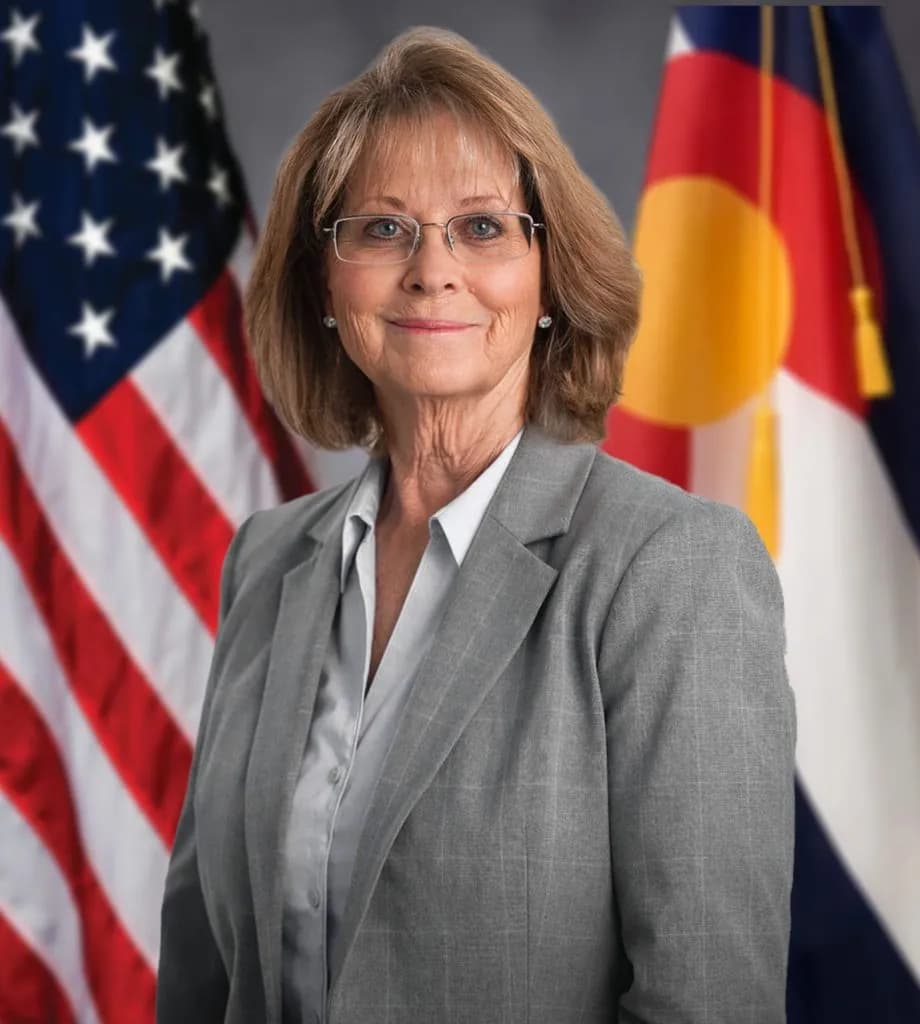
Glenwood Springs —Why is it that a state ranking 47th in affordability can still claim to be a place where every community prospers?
That’s the central question Kirkmeyer is asking as he campaigns for governor. He’s pointing to a simple, brutal statistic: housing costs rank 48th in the nation, and home prices have doubled in less than eight years. For folks on the Western Slope, that isn’t an abstract economic metric. It’s the reason your neighbor’s kid can’t buy the house next door. It’s why the local diner is struggling to keep staff. It’s why you’re wondering if you’ll ever retire here.
Kirkmeyer isn’t just throwing buzzwords around. He’s drawing on his time as a Weld County Commissioner and state senator to argue that the solution isn’t more red tape — it’s getting government out of the way. He owns a dairy farm and a flower shop. He knows what rising prices and regulatory burdens actually look like on the ground, not just in a Denver office.
Let’s look at the transportation plan he’s pitching. He’s promising to double road funding without raising taxes, totaling $6 billion in the first four years. That’s a significant chunk of change. But the real kicker isn’t just the money; it’s who controls it. He wants to hand transportation planning over to regional leaders, ditching the top-down approach that has long dominated from Denver. For the Western Slope, which has often felt like an afterthought in state capital decisions, that shift in power is the actual story. It’s about local roads being managed by people who understand the specific needs of our terrain, not a one-size-fits-all mandate from the Front Range.
Water is the other pillar of his platform. He’s backing the Colorado River District’s push to complete the purchase of the Shoshone Water Rights. Other parties have wavered on the size of the call and future uses, but Kirkmeyer is sticking to the plan. This matters because water storage is the lifeblood of our agriculture. If we don’t secure that infrastructure, the "prosperity" he promises evaporates.
He’s also focused on public safety and law enforcement pay. It’s a standard political promise, but he ties it directly to his experience balancing budgets. He’s not just talking about spending more; he’s talking about spending smarter. He wants to reduce unnecessary spending so hardworking families keep more of what they earn.
The critique of the current system is clear: too many Coloradans feel left behind. The data supports that feeling. Housing costs have outpaced wage growth. Rural communities feel ignored. Kirkmeyer’s argument is that the current model of centralized control and rising costs is broken. He’s offering a reset button — lower taxes, more local control, and a focus on fundamentals like infrastructure and water.
It’s a lot to promise. $6 billion in road funding. A complete overhaul of transportation planning. Securing major water rights. And doing it all while keeping taxes flat. On paper, it sounds like a solid plan for a state that needs to wake up to its affordability crisis. In practice, it means the state budget has to absorb those costs somewhere, or the regional funding mechanism has to be robust enough to deliver on the promise without unexpected shortfalls.
For now, the question remains whether the voters believe the "no tax hike" claim holds up when you actually look at the $6 billion price tag. But for locals tired of feeling like an afterthought, Kirkmeyer is at least offering a plan that puts the Western Slope back in the driver’s seat.
Keep up with Glenwood Springs
The day's Western Slope news, one email each morning. Free.
Alliance Defending Freedom Demands Roaring Fork Schools Drop 3Rs Curriculum
White River National Forest Proposes New Management Zones at Sweetwater Lake