Mario Nicolais Honors Ailing Journalist Lynn Bartels
Former state senator Mario Nicolais reflects on the profound impact of ailing journalist Lynn Bartels, highlighting her unique ability to humanize complex Colorado political machinery and her deep personal investment in the stories she covered.

Colorado —Lynn Bartels is ailing. That means Colorado is ailing.
It’s a bold claim from Mario Nicolais, but it holds weight if you’ve watched the state’s political machinery grind for the last three decades. Nicolais, a former state senator and member of the Colorado Reapportionment Commission, isn’t just talking about a reporter missing a few days of work. He’s saying the state loses its pulse without Bartels’s relentless coverage of what happens under the Golden Dome.
For years, Bartels was the only person digging deep enough to explain the complex, often boring machinery of state politics to the rest of us. She worked at the Rocky Mountain News and the Denver Post, two institutions that have since seen their newsrooms dismantled or downsized. Nicolais remembers her setting herself up in the audience during the 2011 Colorado Reapportionment Commission meetings, notepads ready, dissecting the testimony that would redraw legislative districts.
She didn’t just report the facts. She made them stick.
Nicolais recalls a specific incident from those commission meetings. As the maps went to the Colorado Supreme Court for review, Bartels spotted an opening for mischief. She somehow uncovered a "gentleman’s dinner bet" between former Denver Mayor Wellington Webb and Nicolais himself over the case's outcome. Nicolais had lost. He told her he’d let Webb pick the restaurant because he was like a raccoon — he’d eat anything.
The next morning, a picture of a raccoon ran in her quick-hit briefing column. The caption? “Mario Nicolais, ‘I’ll have the crow.’”
It was a small detail. A raccoon. But it proved Bartels was paying attention to the people, not just the policy. Nicolais still has that section framed on his wall. It’s a constant reminder to write clearly, be funny, and keep an eye on the details that others miss.
When Bartels accepted a buyout from the Denver Post years ago, Nicolais felt gutted. It wasn’t just personal; it was professional. As someone embedded in Colorado politics, he relied on her reporting as must-read material. If you wanted to know what was actually happening, you read Bartels.
Now, as she celebrates her birthday surrounded by family and friends, the community is left with a void. Nicolais notes that while he knows many reporters, he loved Bartels. He cites her midnight interview on civil unions in 2012 and her time with his then-girlfriend during his 2013 state Senate campaign as examples of her deep, personal investment in the stories she covered.
The loss of a journalist like Bartels isn’t just about fewer columns. It’s about the erosion of accountability. When the people who track the money and the power step back, the rest of us are left guessing. Nicolais says he tries to channel his "inner Bartels" in his own columns. But he admits it’s hard to replicate that specific blend of substance and wit.
The practical impact? We lose the watchdog who didn’t just watch, but understood the game. And in a state where political decisions directly impact property taxes, road maintenance, and local infrastructure, that understanding is worth more than the ink on the page.
Keep up with Colorado
The day's Western Slope news, one email each morning. Free.


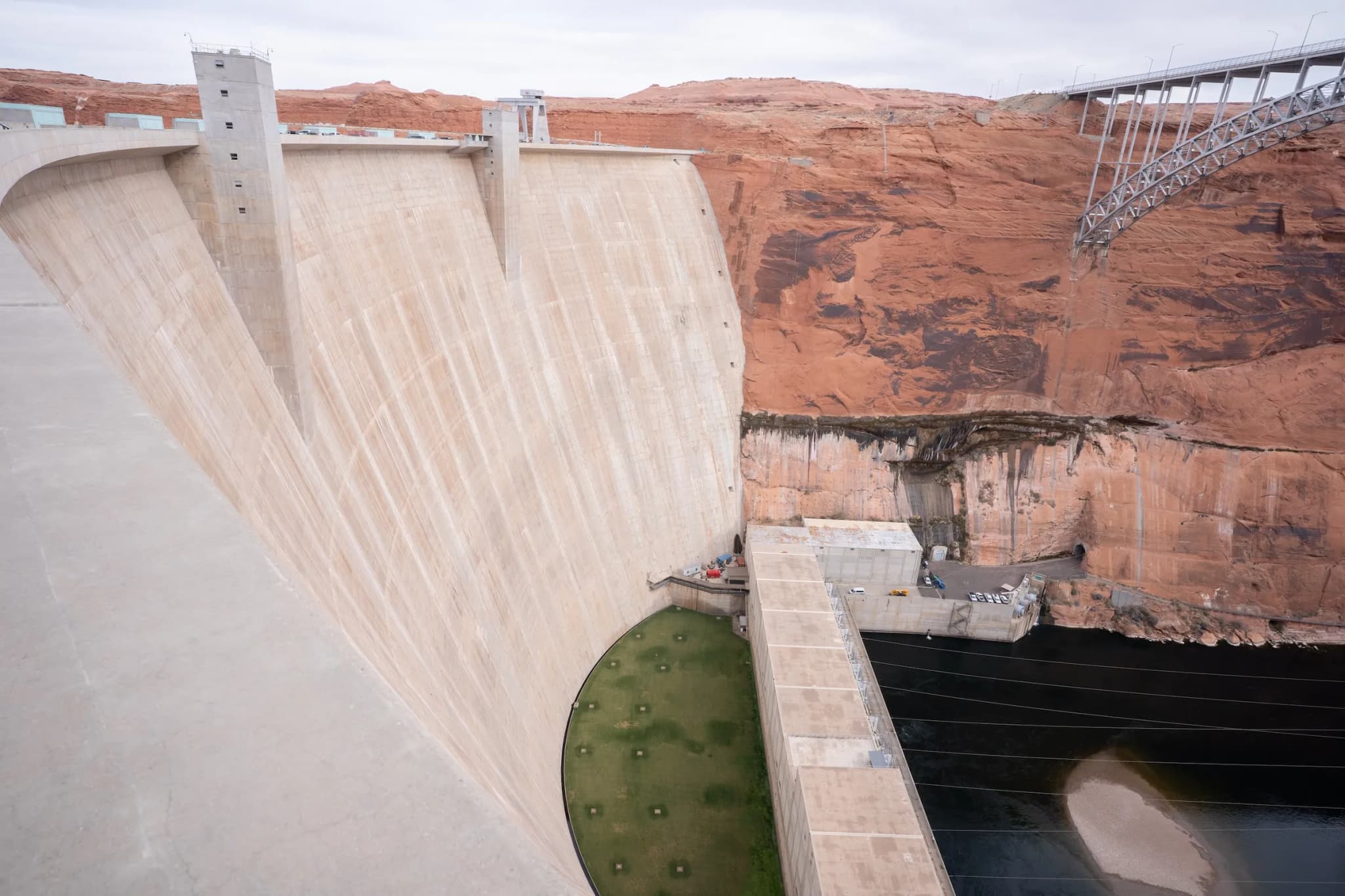
Federal Report Sets 200,000 Acre-Foot Water Conservation Target for Upper Basin
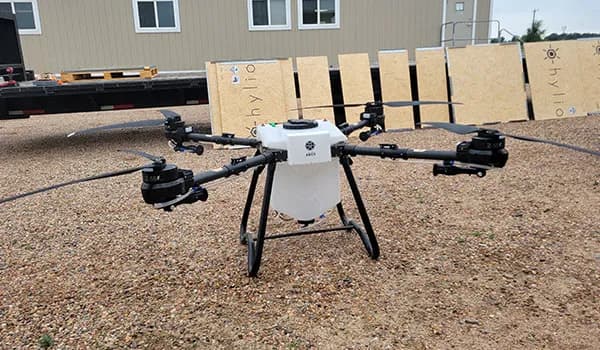
Colorado Parks and Wildlife Deploys Precision Drones for Weed Control