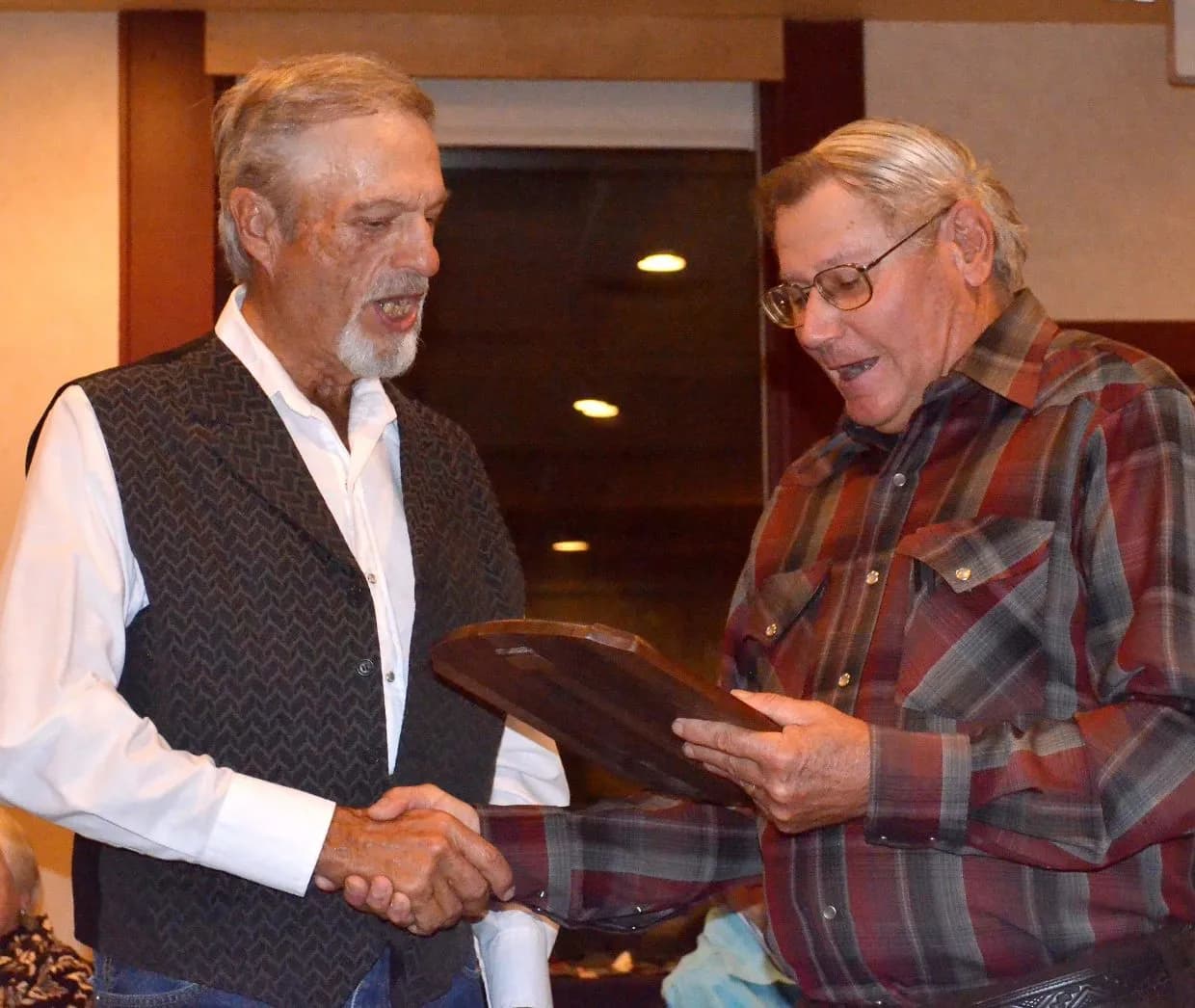
Moffat County Sheriff Chip McIntyre Returns Home to Lead Office
Chip McIntyre returns to lead the Moffat County Sheriff’s Office, leveraging three decades of experience to prioritize rehabilitation and community connection over pure enforcement.
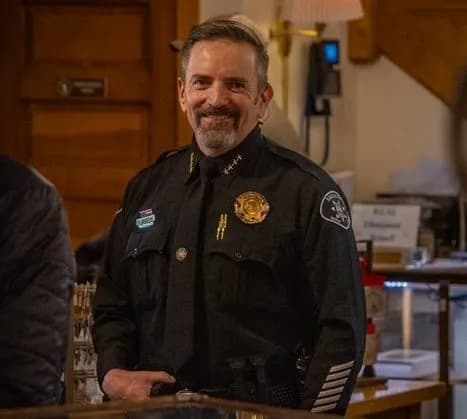
Steamboat Springs —Who is actually running the Moffat County Sheriff’s Office, and does it matter that he grew up here?
Chip McIntyre is the answer. The new sheriff returned to the ranching community that shaped him, bringing three decades of experience and a specific mandate: leave it better than you found it.
McIntyre didn’t just come back to live near his parents’ ranch; he came back to lead the office where his career began in 1995. He graduated from Moffat County High School and attended the law enforcement academy in Rangely before starting as a jail deputy. He moved to patrol, served as the resident deputy in Dinosaur, and left in 2001 for the Colorado State Patrol. He spent time in Durango and Montrose, joined the Grand Junction Police Department in 2007, and finally returned home in 2014.
The transition to sheriff was accelerated by the departure of former Sheriff KC Hume, but McIntyre had already planned to run. County commissioners appointed him in July 2025, following his tenure as operations lieutenant and undersheriff.
His approach is straightforward. He wants to keep Moffat County safe while ensuring residents feel heard, respected, and supported.
“We all have to be a part of the community,” McIntyre said. “I want to make sure we have a safe community and a strong community for future generations to grow up here.”
This isn’t just rhetoric. It’s reflected in how the office handles the volume of calls for service. A high percentage of crimes — from property offenses to crimes against people — are connected to substance abuse. The sheriff’s office is addressing this not just with arrests, but with treatment and recovery resources.
The office participates in a state-funded jail-based behavioral services program. They employ a mental health clinician who works directly with people entering the jail. The goal is to connect them with resources that help them pursue sobriety and a more stable life after release.
“Most of those individuals, that’s not a life they want to live,” McIntyre said.
This strategy shifts the financial and logistical burden from pure incarceration to active management. It suggests that taxpayer dollars are being used to address the root cause of a significant portion of local crime, rather than just processing it through the system.
McIntyre’s family is part of this return to roots. He and his wife, Georgia, moved back in 2014 to be closer to relatives. They are raising six children in this close-knit community. The personal stakes are high. Sam McIntyre, Chip’s son, died in July 2024, a loss marked by the family’s presence at Chip’s swearing-in as undersheriff.
On paper, this looks like a standard succession plan. In practice, it means the person making the calls has likely driven the same roads and sat in the same local diners as the people he polices.
The practical bottom line for locals is continuity with a focus on rehabilitation over pure enforcement. If you get pulled over or cited, the system is now actively trying to connect you to behavioral health resources, funded by the state but managed locally. It’s a shift from processing people to supporting them, rooted in a sheriff who knows the difference between a rancher’s fence line and a city block.
Keep up with Steamboat Springs
The day's Western Slope news, one email each morning. Free.