Netanyahu Rejects Trump Gaza Deal as Iran Halts Strait Talks
Prime Minister Benjamin Netanyahu rejects President Trump’s proposed Gaza withdrawal deal, insisting Israeli forces stay until Hamas is fully disarmed, while Iran stalls Strait of Hormuz reopening with strict new conditions for the U.S.
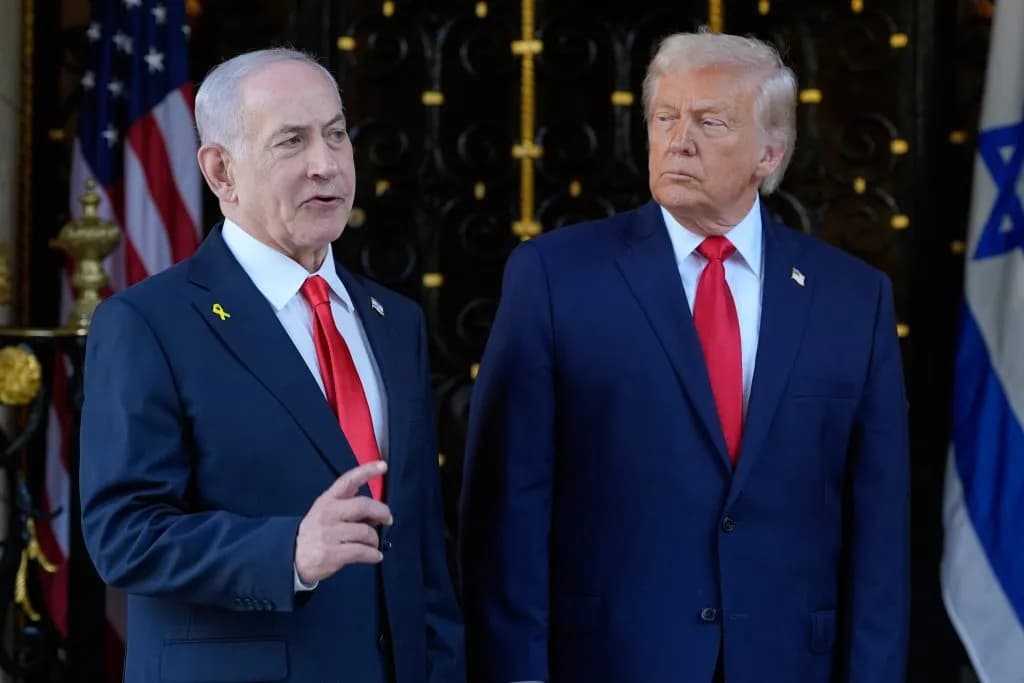
Aspen —Israel’s Prime Minister Benjamin Netanyahu has no intention of leaving Gaza. Not yet. He rejected President Donald Trump’s proposed deal on Sunday, insisting that Israeli forces will hold their ground until Hamas is genuinely disarmed.
The rejection came during a Cabinet meeting. Netanyahu dismissed the 15-point document Trump announced last month. Israel controls over half of the Palestinian enclave, home to about 2 million people whose infrastructure lies in ruins. Trump stated Israeli forces would withdraw as Hamas’s disarmament is completed. Netanyahu says that condition isn’t met.
There was no immediate White House comment on the latest pushback. That silence speaks volumes. It suggests Washington is waiting for Jerusalem to move, while Netanyahu waits for Hamas to yield.
Bassem Naim, a member of the Hamas political bureau, remains committed to the road map. He expects mediators and the U.S. to pressure Netanyahu. The Israeli leader faces domestic tensions as he struggles to hold power ahead of elections scheduled for October 27. The fragile ceasefire, established after the Hamas-led attack on October 7, 2023, holds. Barely.
While Gaza stalls, the Strait of Hormuz is heating up. Iran and Oman are finalizing a deal to manage the key waterway, but Tehran has set strict conditions. Iranian Foreign Minister Abbas Araghchi told reporters that negotiations are in final stages. That does not mean the strait will reopen.
The Supreme National Security Council issued a list of demands on Saturday. The U.S. must correct its behavior. It cannot threaten Iran again. There must be a permanent end to the war with Iran and its armed allies. The naval blockade of Iranian ports must lift. U.S. military presence in the area must withdraw.
Iran wants complete compensation for war damage. Sanctions must lift. Frozen assets must be released unconditionally. The United States has not commented on these specific demands.
Trump told Axios on Sunday that the U.S. is “only semi-negotiating” with Iran, letting economic pressures do the heavy lifting. Araghchi disagrees. He says an “exchange of messages through intermediaries” is not the same as negotiation. Talks cannot resume until violations of the interim deal end and the U.S. remedies those provisions.
Meanwhile, Yemen’s Iranian-backed Houthi rebels struck a government-held port on the Red Sea coast. They also attacked an oil facility in neighboring Saudi Arabia. These strikes deepen fears over threats to strategic shipping routes and a potential return to civil war in Yemen.
Netanyahu’s refusal to withdraw complicates Trump’s broader Middle East strategy. The President wants a clean exit from Gaza, contingent on Hamas disarmament. The Prime Minister demands security guarantees that go beyond simple disarmament. Until those definitions align, Israeli troops stay put.
The Strait of Hormuz remains closed to vessels linked to “hostile countries” until Iran’s conditions are met. That includes the U.S. The economic toll mounts. Shipping costs rise. Locals watching the news see two stalled negotiations: one in Gaza, one across the sea.
Netanyahu holds the keys to withdrawal. Iran holds the keys to reopening the strait. Both are waiting for the other to blink. The short version is simple: nothing moves until everyone agrees on what “done” actually looks like.
Keep up with Aspen
The day's Western Slope news, one email each morning. Free.