Nevada Sues Federal Government Over Colorado River Water Cuts
Nevada filed a federal lawsuit Monday, arguing that new management rules unfairly slash its Colorado River allocation by over 70 percent while ignoring the state’s $180 billion economic impact.
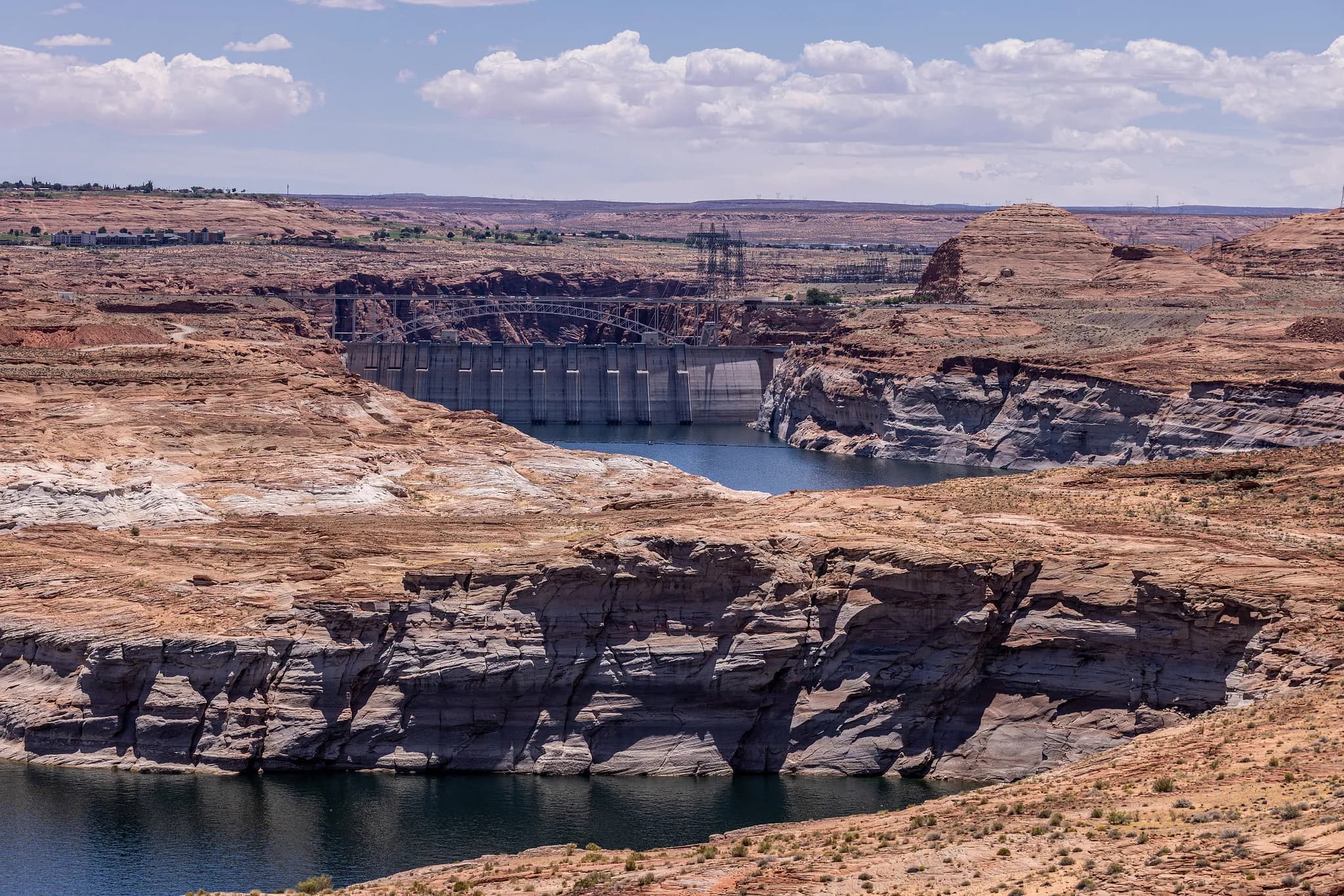
“Southern Nevada could lose more than 70 percent of its already meager Colorado River allocation while the Upper Basin states of Colorado, Utah, New Mexico, and Wyoming are not required to contribute a drop,” Gov. Joe Lombardo declared in a news release Monday. It was a blunt assessment of a situation that has simmered for years, now boiling over in federal court.
The lawsuit marks a turning point. For months, states like Arizona had threatened legal action, labeling it the “nuclear option.” But threats are cheap. Nevada made it real. The suit arrived three days after the Department of the Interior finalized its management plan for Lakes Mead and Powell. The current rules expire in 2026, leaving a vacuum that this new plan attempts to fill. The stakes are high: 40 million people, massive economies, and fragile ecosystems hang in the balance.
The core grievance is equity. Under the new plan, Nevada’s 300,000 acre-foot allocation could be slashed by up to 213,556 acre-feet in the driest years. That leaves Las Vegas and surrounding communities with less than 86,500 acre-feet annually. To put that in perspective, the region used nearly 212,500 acre-feet in 2024 alone. One acre-foot roughly covers the annual water needs of two to four households. The math doesn’t add up, at least not according to the state.
John Entsminger, the state’s top Colorado River negotiator and general manager of the Southern Nevada Water Authority, called the projected shortages “entirely unrealistic.” He pointed to a quarter-century of progress. “Over the past 25 years, southern Nevada has become a global leader in water efficiency, reducing our Colorado River consumption by about 40 percent even as the community added 800,000-plus residents,” he noted. The state argues it has done its part, yet bears the brunt of the cuts.
There is also a legal gap. The state’s release claimed federal officials failed to analyze how these curtailments would impact southern Nevada’s $180 billion economy, despite a legal requirement to do so. It’s a subtle but powerful argument: the process was flawed before the outcome was even decided.
Still, the path forward is murky. Water court battles are notoriously expensive and can drag on for decades. Experts warn that tying up water management in legal proceedings makes it harder to adapt to each year’s shifting supplies. Even with these risks, Nevada says it is ready to fight for as long as it takes.
The tension is palpable. The river has sustained the West, fueling agriculture and urban growth from Denver to Los Angeles. But shrinking supplies, rising temperatures, and prolonged drought have strained the system to its limits. Now, with the gavel about to fall, the question is whether the law can save what science is struggling to hold together.
Keep up with the Western Slope
The day's Western Slope news, one email each morning. Free.