Ouray Blue Lakes Propose New Fees to Curb Overcrowding
Ouray District Ranger Dana Gardunio proposes new peak-season fees for Blue Lakes to manage unprecedented visitation and resource damage, with overnight permits set at $25 starting in 2027.
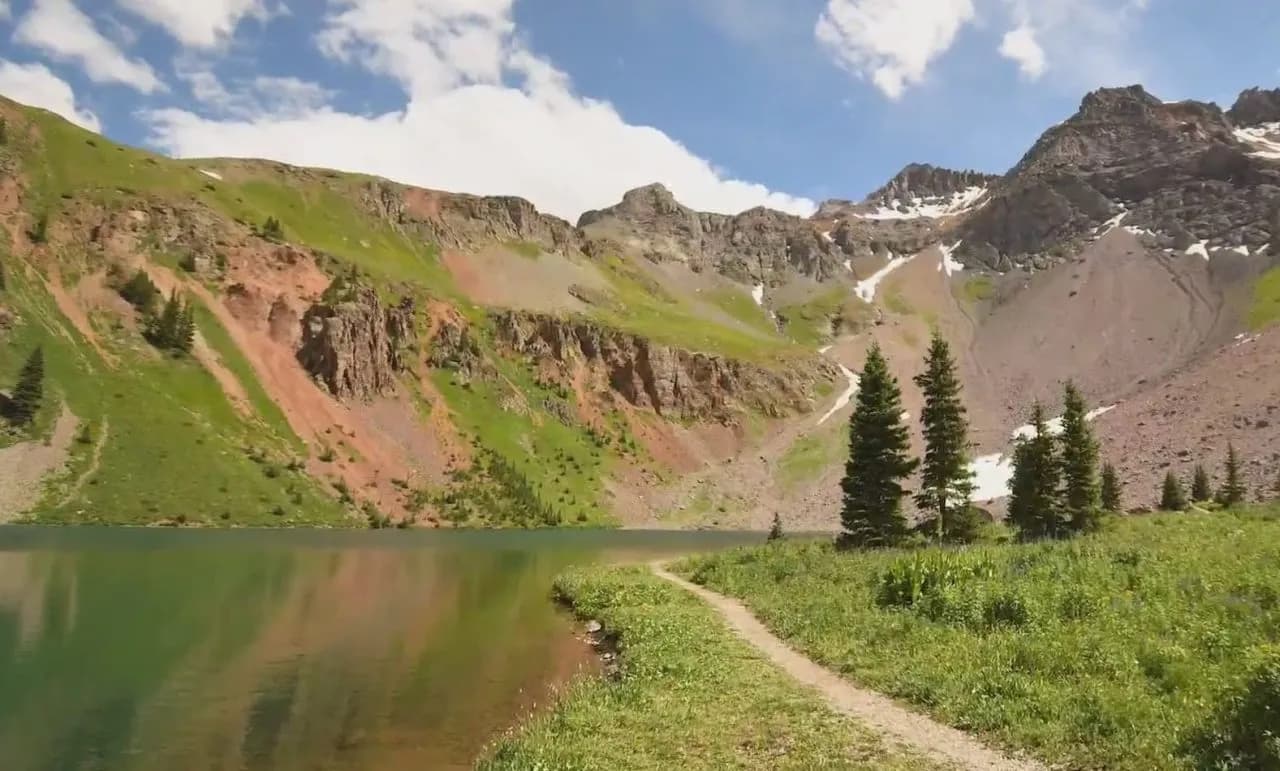
Grand Junction —Dana Gardunio, the Ouray District Ranger, has a simple explanation for why your next camping trip to the Blue Lakes is about to get more expensive: “unprecedented visitation.”
Translation? The place is crowded, the trails are muddy, and the resource damage is mounting. To fix it, the Grand Mesa, Uncompahgre and Gunnison (GMUG) National Forests are proposing a new fee structure that hits hikers and campers hard during peak season. If approved, these changes take effect in 2027.
Let’s look at the numbers. You’ll pay $25 per site for an overnight permit and $5 per person for day use. But don’t forget the middleman. Recreation.gov, the platform handling the bookings, tacks on a $6 processing fee for overnight stays and $1 for day use. That’s $31 for a camper and $6 for a day-hiker, just to enter the gate.
The window for peak season is June 1 through Sept. 30. That’s four months of high traffic. The goal, according to Gardunio, is to manage the overcrowding and stop the resource damage in its tracks. The revenue stays local. At least 80% stays on-site for restoration, increased ranger presence, trail maintenance, and amenity improvements. This isn’t money going up the chain to Washington; it’s staying in the Mount Sneffels Wilderness to keep it from falling apart.
The legal basis for this is the Federal Lands Recreation Enhancement Act, passed by Congress in 2004. It allows the Forest Service to retain the bulk of collected fees to operate and maintain the sites. It’s a direct link between the visitor and the upkeep of the land.
Gardunio emphasized that public feedback is critical. The comment period runs from June 1 to Aug. 31. You can send your thoughts to [email protected] or submit them online. There’s also a public webinar on June 15 from 5-6 p.m. to answer questions. After the comment period, a citizen’s advisory committee reviews the input and makes a recommendation to the Regional Forester for the final decision.
The proposal isn’t just about raising cash. It’s about sustainability. The funds will help improve infrastructure and hire additional recreation staff during the operational season. It’s an attempt to make the recreation program financially viable without relying solely on general federal appropriations.
For locals and frequent visitors, the impact is straightforward. A weekend camping trip just went up by roughly $12 to $15 per person, depending on group size and how long you stay. Day users face a smaller but still noticeable increase. The fees apply only during the busy summer months, so winter hikers won’t see the change.
The key is whether the increased presence of rangers and the restoration efforts actually improve the experience. If the trails are maintained and the overcrowding is managed, the extra cost might be worth it. If not, you’re just paying more for the same mud.
The decision rests on the public comment period and the advisory committee’s review. Gardunio is urging people to weigh in. The proposal is on the table, and the clock is ticking.
Keep up with Grand Junction
The day's Western Slope news, one email each morning. Free.

Canadian Tariffs Force Grand Junction Startup To Triple Bike Rack Price

Vail Musician James Carstensen Dies After Choosing Hospice Care