Aspen Council Extends Stage Three Water Shortage as D4 Conditions Persist
Aspen’s Drought Response Committee recommends continuing the Stage Three Water Shortage Declaration as the Roaring Fork Valley remains locked in Exceptional Drought with streamflows at just 27% of normal.
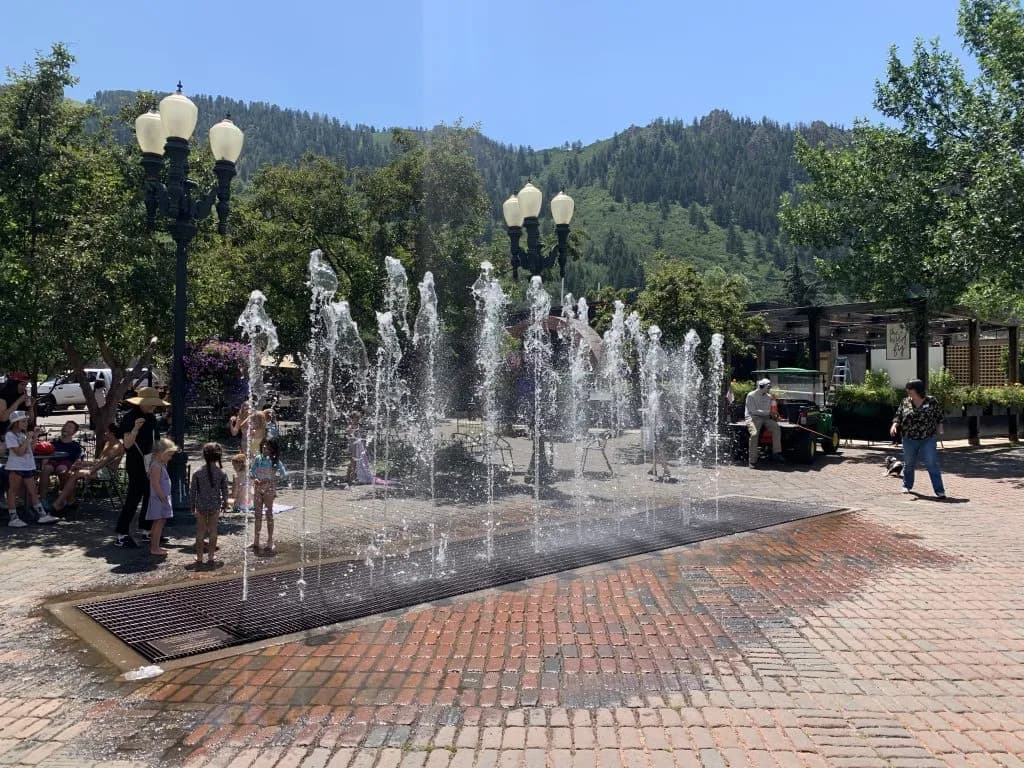
Aspen —The air in the Roaring Fork Valley feels thinner this July, the kind of dry heat that cracks the soil along the highway and turns the familiar green of the aspens a brittle, dusty gold. You can stand on the corner of Main Street and feel the weight of a sky that hasn’t offered a meaningful shower in weeks, watching the dust kick up from the gravel shoulders of Interstate 6. It’s not just a weather pattern anymore; it’s a condition of living here, a tangible pressure on the reservoirs and the pipes that keep the town running.
Aspen is doubling down on that pressure. The city’s Drought Response Committee has recommended continuing the Stage Three Water Shortage Declaration, a move that keeps the screws tight on residents and businesses alike as the drought deepens. The recommendation isn’t a surprise — it’s a reflection of math that doesn’t add up to wet.
The data paints a clear picture. According to an information update provided to the Aspen City Council prior to their Monday meeting, the drought conditions across the Roaring Fork watershed have not only persisted but worsened. The U.S. Drought Monitor, as of July 16, places Aspen and Pitkin County firmly in the Exceptional Drought — D4, category. That’s the highest level, where conditions are exceptional, with a widespread and severe lack of water in soils and streams.
Streamflow tells a starker tale. In June, flow in the Roaring Fork watershed sat at just 27% of normal. Maroon Creek, one of the two primary sources for Aspen’s municipal water supply alongside Castle Creek, peaked at a mere 143 cubic feet per second on June 7. Compare that to the historical average, which sees peak runoff occurring between June 15 and 30 at over 300 cubic feet per second. The system is running on fumes, relying on direct streamflow and the consistent release of water from snowmelt, but the snowpack that usually feeds that release is fading faster than usual.
Compliance, however, has been surprisingly robust. City staff, armed with automated reports from Aspen’s Intelligent Metering system, have been tracking violations. They verify these reports, send out notice of violation letters, and also monitor the drought hotline, email accounts, and customer reports through Aspen 311. The result? An estimated 75% compliance rate with Stage Three restrictions. Staff consider that an "extremely good response," especially when accounting for violations that slip through the cracks of automated monitoring.
“Since the Stage Three declaration was made in May, drought conditions have remained throughout the Roaring Fork Watershed,” the update reads. It’s a simple sentence, but it carries the weight of a community that has already adjusted its habits - watering less, filling pools later, accepting that the green lawns of summer are a luxury, not a given.
Looking ahead, the forecast offers a sliver of hope, but not enough to declare victory. NOAA’s Climate Prediction Center forecasts a 40-50% probability of higher-than-normal temperatures over the next three months. There is also a 33-40% probability of above-average precipitation for July, August, and September. Drought could persist, though it might improve slightly. But "slightly" doesn’t fill the reservoirs.
The Stage Two Water Shortage went into effect on Sept. 1, 2025, and was elevated to Stage Three on May 12, effective May 15. The city’s Water Shortage Ordinance allows the council to enact restrictions based on these shifting conditions, selecting the appropriate stage to meet demand for essential uses. Now, they’re sticking with Stage Three, watching the gauges, and waiting for the rain that the models say might come, but the ground is desperate for.
The heat lingers into the evening, the sun dipping behind the mountains but refusing to cool the air completely. A sprinkler hisses somewhere down the street, a rhythmic ch-ch-ch that sounds less like irrigation and more like a warning. People walk by, shaking out their dry umbrellas, ignoring the dust on their boots, carrying on in a valley that is slowly turning brown, one cubic foot of streamflow at a time.
Keep up with Aspen
The day's Western Slope news, one email each morning. Free.