Parthenogenetic Birth Reshapes Justice Ginsburg's Vote in 2049
Parthenogenetic birth shifts societal power as Justice Ginsburg prepares for a pivotal vote, redefining choice and family structures in 2049.
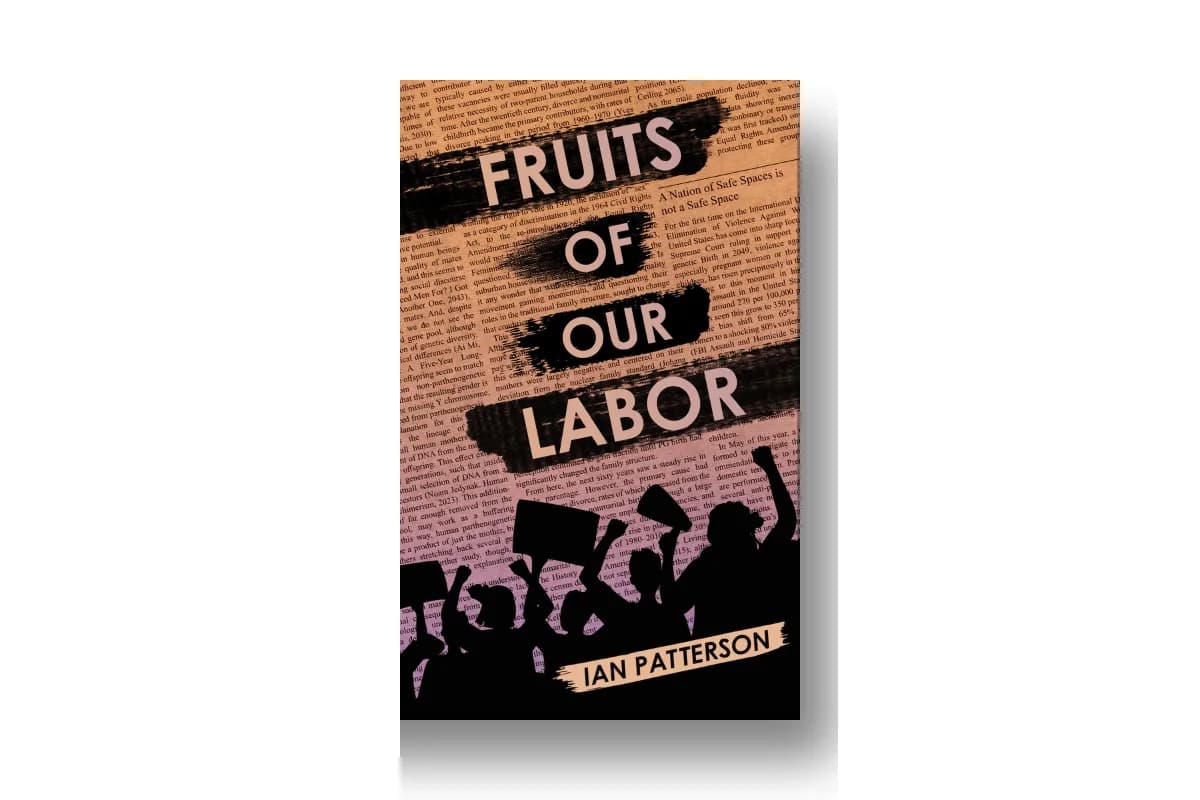
The air in the capital city hums with a specific kind of heat, thick enough to taste like copper and sweat, as thousands of bodies surge through the streets. It is 2049, and the sun shines with a validating warmth that seems to bless the moment, illuminating a sea of raised fists and centuries of righteous rage. You can feel the vibration of their voices before you see them, a collective chant rising from the pavement: “My body, my choice!”
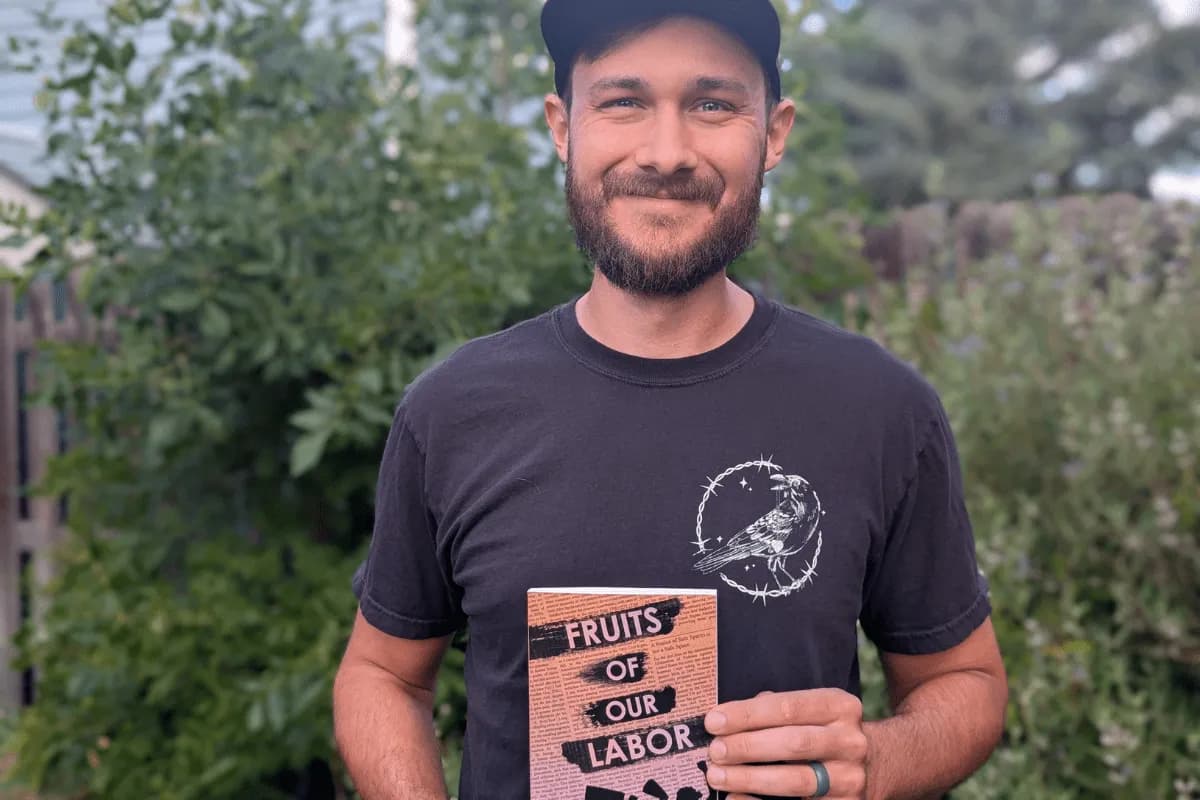
But what does that phrase mean when biology itself has shifted? The Colorado Sun reports in “Fruits of Our Labor,” an excerpt from a new book by Ian Patterson, that society is being rocked by parthenogenetic birth. This isn’t just a political protest; it’s a biological revolution unfolding in real time, reshaping who holds power and how families are defined.
The marchers are mostly women, though men walk alongside them, marking the shifting tides. The younger generation wears white shirts plastered with pop art of Justice Amelia Ginsburg, whose vote everyone expects to be pivotal in this new era. They look forward. The older generation wears faded shirts honoring the justice’s great grandmother, Ruth, their memories stretching further back to a time when things were different. They carry American flags, believing it might one day live up to its ideals, even as they navigate a landscape where the glass ceiling has been smashed and the seats of power are now held by women who have become business leaders, top doctors, police chiefs, and law writers.
Yet, look closely at the counter protestors swarming on nearby streets, and you’ll see a different story. They wear American flags bastardized with thin lines showing their particular allegiance, along with bright red hats that signal a lifetime of patriotism and patriarchy. They are not loud, they do not cause a scene, but they seethe with a quiet intensity. Some are there to stop an affront against God; others protect traditional family values, or more importantly, their roles within them. A third group is there simply because their political zeitgeist has told them to be angry.
They see the police lining the streets — departments that have long since become primarily women — and they know they are not on their side. This lack of protection fuels a hate that grows as they march toward the Temple of Justice, fueled by fear and a refusal to self-reflect. They carry signs with divided messages, but their eyes are fixed on the large metal fence that separates them from the main procession.
On opposite sides of that fence, two worlds can see each other but will not mingle today. The sun blinds them all, equally, whether they are smiling radiantly in the tide of history or cursing under the weight of it. The question for locals here on the Western Slope, and indeed across the nation, is not just about who votes, but who bears the children. As parthenogenesis moves from science fiction to social reality, the definition of "choice" expands beyond policy into the very marrow of our bodies.
The streetlights flicker on as dusk approaches, casting long shadows across the metal fence, separating those who march in unison from those who stand apart, each group holding their ground under the same vast sky.
Keep up with the Western Slope
The day's Western Slope news, one email each morning. Free.