Pitkin County Approves 90,000-Square-Foot Aspen Airport Terminal for 2027 Build
Pitkin County commissioners approve the schematic design for a new 90,000-square-foot Aspen airport terminal, targeting a 2027 construction season while managing costs by delaying additional gates.
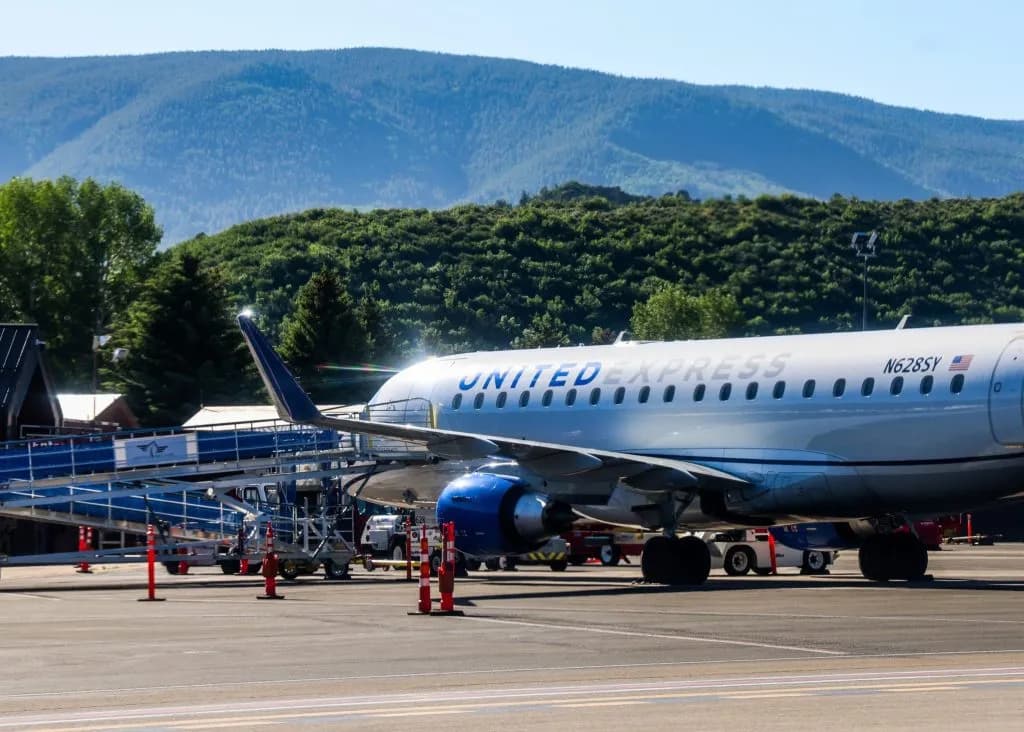
Aspen —The wind howls off the Elk Mountains, rattling the corrugated metal of the existing Aspen/Pitkin County Airport terminal. It’s a drafty, aging structure that locals have tolerated for decades, waiting for a replacement that never quite materialized. On Wednesday, that wait got a concrete timeline. The Pitkin County Board of County Commissioners unanimously approved the schematic design for the new terminal, locking in a 90,000-square-foot footprint and a 2027 construction season.
It sounds like progress. It feels like progress. But let’s look at the fine print, because the devil isn’t just in the details — it’s in the budget and the square footage.
Carter Strothman, the project manager for the terminal redesign, made it clear this isn’t the final blueprint. It’s a snapshot. The next six to eight weeks are dedicated to refining the design based on feedback from the Board of County Commissioners (BOCC) and the Airport Advisory Board. The goal? Keep costs down and stay on schedule.
“Initial phase one … falls in line with the common ground recommendations,” Strothman said. “Getting closer to a 90,000 square foot terminal footprint and something that’s more affordable, allowing the project to stay on schedule for the 2027 construction season and without limiting future expansion.”
Here’s the catch. The 90,000 square feet is a floor, not a ceiling. Strothman doesn’t expect the terminal to shrink below that number, but it could grow if commissioners demand more. That’s the nature of government projects: you approve a baseline, then you argue over the extras.
Costs are still fluid. The board’s preferred strategy to keep the price tag manageable? Delay the expensive stuff. An eighth gate or additional jet bridges aren’t happening now. They’re pushed to a second phase, executed after the new terminal is open and the old one is demolished. It’s a classic “buy now, pay later” approach, but it’s also a way to avoid ballooning the initial budget.
Commissioner Patti Clapper called it “future proofing.” Commissioner Greg Poschman suggested using fewer jet bridges entirely to save cash. Strothman noted that the apron can only handle around ten aircraft anyway, with two to three spots reserved for ground service equipment and overnight parking. So, adding more gates might not even mean more flights. It’s a site limitation, not a design flaw.
But there’s friction. Commissioner Francie Jacober is worried the terminal will be undersized for employees. She wants better parking and an enclosed baggage handling area. “No one wants to go to ribbon cutting, go to the airport and feel like nothing has changed from what we have,” said Commissioner Ted Mahon. “So it’s good for people to hear that it is growing.”
Growth is relative. The design allows for easy additions, but the core structure is fixed for now. Parking won’t drop below current needs for employees, travelers, and rental cars, according to Strothman.
For context, this is a massive undertaking for a county that prides itself on fiscal conservatism. The schematic design approval is just the first step. The real cost won’t be known until the final design is locked in, likely months from now. And even then, construction costs in Aspen don’t follow the rest of the country. Labor shortages and material logistics will drive the price up.
The bottom line? You’re looking at a new terminal by 2027. It will be bigger than the current one, but not infinitely bigger. It will have fewer jet bridges initially, saving money but potentially complicating boarding. And it will cost taxpayers, though the exact figure is still being refined. The airport stays open during construction, so the inconvenience is manageable. The financial impact, however, is just beginning to accumulate.
Keep up with Aspen
The day's Western Slope news, one email each morning. Free.
Aspen Housing Authority Seeks $590K Office Upgrade Amid Cramped Conditions
Vail Secures Water Rights for 37-Unit Montelisse Condo Project
Moffat County Commissioners Weigh Data Center Moratorium Amid Transparency Claims

Aspen Skiing Company hosts 10th annual Stars Above astronomy night

Aspen Animal Hospital Clinical Leader Dr. Anne Cooley Navigates WellHaven Ownership Shift