Pueblo Teacher Challenges Silent Incumbent in Colorado Education Race
Pueblo educator Barb Clementi challenges silent incumbent Sherri Wright for the Colorado State Board seat. Clementi leads in fundraising, highlighting a stark contrast in campaign activity ahead of the November election.
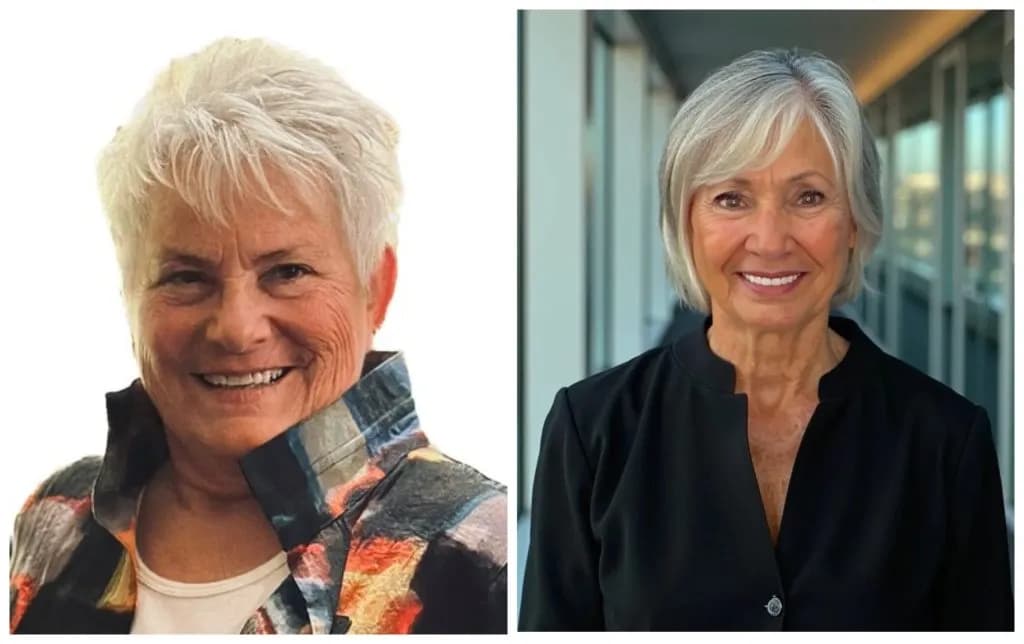
Glenwood Springs —The silence is the loudest part of this race. It’s the kind of quiet that settles over a classroom after the bell has rung but before the kids have realized they’re allowed to leave. In the valley, where the wind off the Rockies can rattle windowpanes in Glenwood Springs and the dust from the high desert near Montrose kicks up against the sky, that silence feels heavy. We are used to noise here — the roar of I-70, the clatter of ski lifts in winter, the hum of data centers in the valley. But in the race for the Colorado State Board of Education, representing the 3rd Congressional District, one of the two candidates hasn’t made a sound at all.
It’s a counterintuitive move for a Republican incumbent in a district that leans red. Sherri M. Wright, who has served on the board since 2024, didn’t return her Q&A responses by the deadline. You might expect the incumbent to lean on the gavel, to talk about stability, to remind folks in the 27 counties spanning 50,000 square miles that she knows the ropes. Instead, she let the vacuum fill itself with speculation. It’s a risky bet, but it’s not without precedent. Sometimes, the best answer is the one you don’t give.
On the other side of the aisle, Barb Clementi is talking. And she’s not whispering. A Democrat from Pueblo, Clementi has spent 30 years teaching middle school students in Pueblo School District 60. She’s not a newcomer to the fray. She served two terms on the district’s school board, rising to the position of president. She’s also held the title of president-elect of the Colorado Association of School Boards, a role where she helped rewrite the organization’s bylaws. Her goal? To give rural and urban districts an equal seat at the table. That’s a phrase that resonates in the high country, where the gap between the urban centers of Grand Junction and the remote outposts of the San Juan Mountains can feel like a chasm.
Clementi’s platform is built on experience. She’s been in the trenches. She’s seen the budget cuts, the staffing shortages, the crumbling infrastructure. She’s not promising the moon; she’s promising a fix. And she’s got the money to back it up. As of Oct. 14, she’s raised over $13,200 and spent around $14,200. That’s a significant war chest for a state board race, especially when compared to Wright’s roughly $5,400 in funds raised. The disparity in funding is stark. It suggests that Clementi is running a well-oiled machine, while Wright is relying on the inertia of her incumbency.
The stakes are high. The board, which currently holds a slim Democratic majority, is responsible for overseeing regulations and policies that govern public education. They appoint Colorado’s education commissioner, approve the department’s budget, and set teaching standards. These are not minor decisions. They shape the future of every child in the state. And in the 3rd Congressional District, home to roughly 723,000 residents, the impact is felt acutely.
The Nov. 3 midterm election will determine the fate of this seat. Will the voters choose the silence of the incumbent, or the voice of the challenger? It’s a question that doesn’t have a clear answer. But the next few weeks will be anything but quiet. The campaign trail is heating up, and the temperature is rising. You can feel it in the air, in the tension of the debate, in the urgency of the message.
As the days tick by, the narrative takes shape. Clementi’s presence is undeniable. Her background in education, her leadership roles, her financial backing — all of it points to a candidate who is ready to take on the challenges of the high plains. Wright, meanwhile, remains a mystery. Her lack of response leaves room for interpretation. Is it a strategic choice? A sign of disinterest? Or simply a logistical hiccup? Without further information, it’s hard to say.
But perhaps that’s the point. In a world where information is abundant, silence becomes a statement. It forces the observer to fill in the blanks, to project their own assumptions onto the void. And in doing so, it reveals more about the observer than the observed.
So, as we approach the election, let’s keep that in mind. The race isn’t just about policy or personality. It’s about perception. It’s about how we interpret the signals we receive, or fail to receive. And in that space between signal and noise, the truth often hides.
The final image lingers: a ballot box in a small-town school gymnasium, the fluorescent lights buzzing overhead, the paper ballots sliding in one by one, each one a vote for the future of education in the valley. The smell of old wood and floor wax hangs in the air, a scent that hasn’t changed in decades, grounding the political abstraction in the physical reality of the community.
Keep up with Glenwood Springs
The day's Western Slope news, one email each morning. Free.

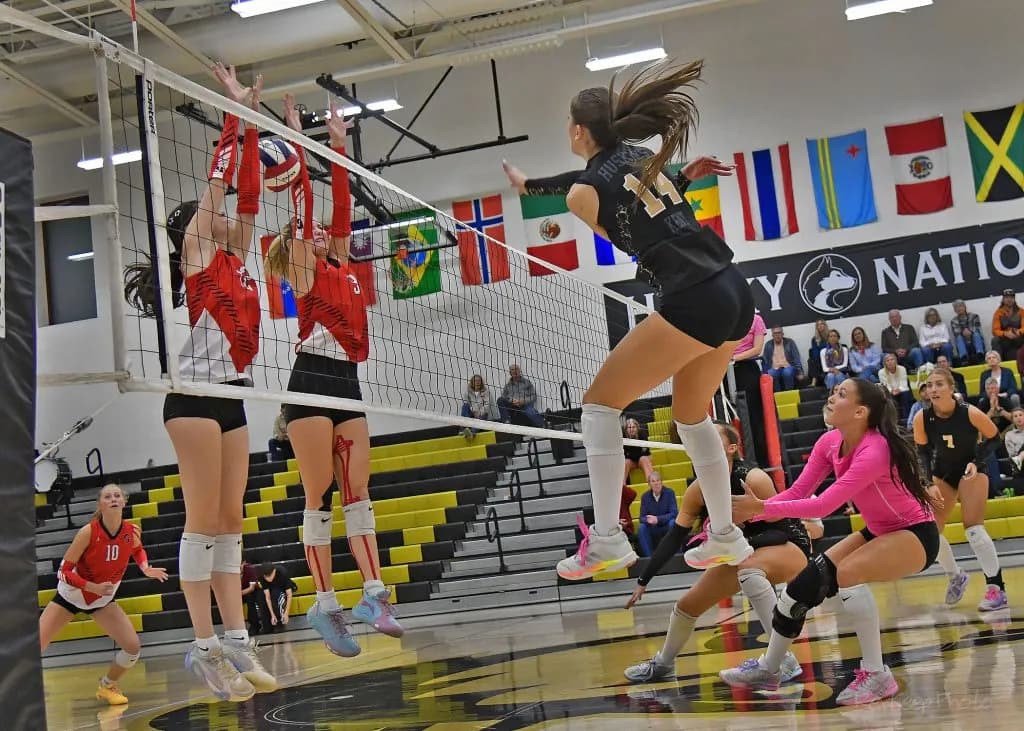
Battle Mountain Huskies Defeat Glenwood Springs to Secure Playoff Host
Re-2 District Seeks Ballot Approval for Teacher Pay and Early Care