Red Lion Developers Seek 41% Patio Expansion for Vail Village
Selby developers propose a 41% increase in outdoor seating for the Red Lion in Vail Village, balancing expanded patio space with fire truck access requirements.
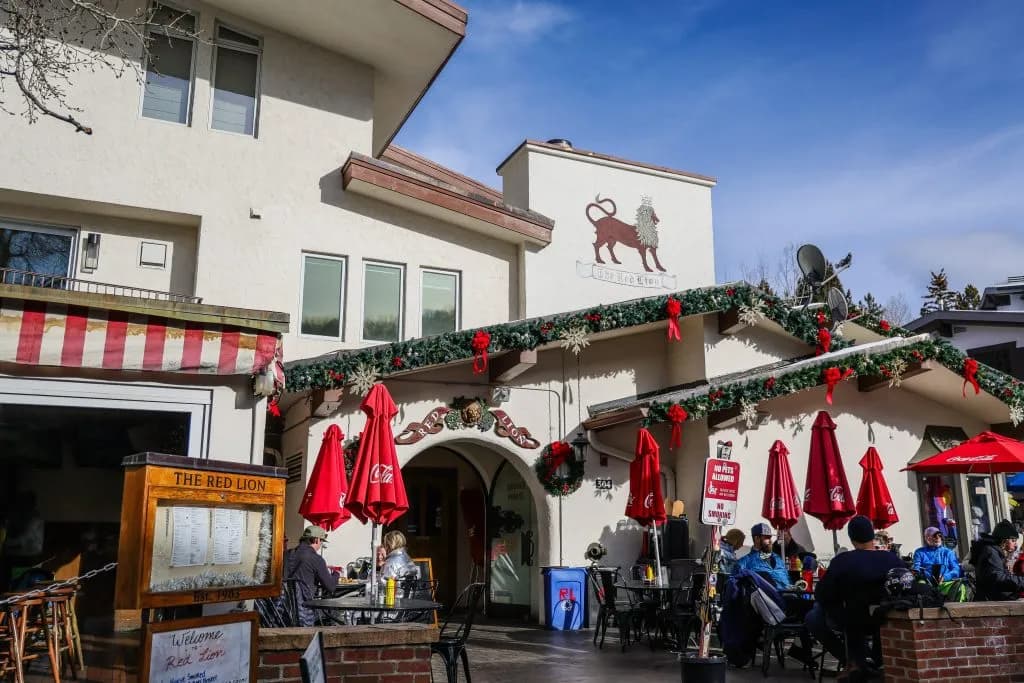
Aspen —The Seibert Fountain still bubbles under the late July sun, a steady rhythm against the chatter of tourists and the clatter of silverware from the Red Lion’s current patio. It’s a specific kind of noise here — the sound of Vail Village pretending everything is exactly as it was forty years ago. But just across the street, where Hanson Ranch Road meets Bridge Street, the ground is about to be broken again.
Jeff and Charlie Selby are amending their plans. They want more space. They want more seats. And they want to start digging in the spring of 2027.
It sounds like a simple adjustment — add a few tables, widen the patio, call it a day. But in Vail, even a square foot of patio is a negotiation with the town’s history, its fire trucks, and its zoning laws. The developers are asking for a 41% increase in outdoor patio area, bumping the footprint from 748 square feet to 1,259 square feet. That’s not just a few extra chairs. That’s a significant chunk of the sidewalk and the space around the fountain being claimed for beer and burgers.
The holdup wasn’t money. It wasn’t aesthetics. It was fire trucks.
“We have continued to be persistent and consistent with our goal of further improving and enhancing street life,” planning consultant George Ruther told the Planning & Environmental Commission (PEC). He’s been pushing this expansion for a while, trying to get the geometry right so that when the sirens wail, the new patio doesn’t block the way. Thanks to the Vail Fire Department’s leadership, Ruther says they’ve finally figured out a design that’s mutually beneficial. It ensures emergency vehicle access while allowing the Selbys to squeeze more outdoor seating into the village.
Picture this: a wider patio, overlooking that same historic fountain, with fire engines still able to squeeze through. It’s a delicate dance.
The project itself, an event center, retail space, restaurant, and bar; has already cleared the PEC and the Design Review Board. The exterior finishes are approved. The iconic signage will stay. The upstairs residential units aren’t touching. The only thing missing was that final piece of the puzzle: the outdoor seating approval. Now, it’s back on the table for a hearing on Monday, July 13.
While the developers wait for that final stamp of approval, the current tenants aren’t going anywhere. Not yet.
Big Bear owner Vidette Gehl confirmed she’s staying put through the coming ski season. Rumors had swirled that she’d be packing up her famous fried chicken and moving on, but she’s holding the line. She’s happy to stay in the Vail location for now, even as she looks for another spot in town for the Little Bear, which she launched in EagleVail last year. The Red Lion itself will continue to serve its Tyrolean-style crowd until construction kicks off in spring 2027.
That’s a long time to wait. The Red Lion building, one of Vail’s first from the early 60s, has been in need of renovation for years. It’s emblematic of the look the founders wanted - steeped in that specific Alpine charm that defines the valley. but it’s been tired, worn down by decades of ski season crowds. The redevelopment promises to update it while keeping the historical importance intact.
Scott Rednor, owner of Shakedown Bar Vail and part of the Scott Rednor Band, is a key figure in this redevelopment. His involvement ties the project to the music and nightlife that makes the village pulse at night. It’s not just about bricks and mortar; it’s about who gets to occupy that space.
The debate over the Red Lion’s future has been heated. Some see progress. Others see a loss of character. But right now, the focus is on the pavement. The Selbys want more room. The fire department wants clear paths. And the town is watching closely to see if they can fit both into the tight grid of Vail Village.
For now, the fountain keeps bubbling. The fire trucks keep parking. And the locals keep wondering if that 41% increase is just a few extra chairs or a fundamental shift in how the village uses its most valuable real estate. Construction starts in 2027. Until then, the debate stays on paper.
Keep up with Aspen
The day's Western Slope news, one email each morning. Free.