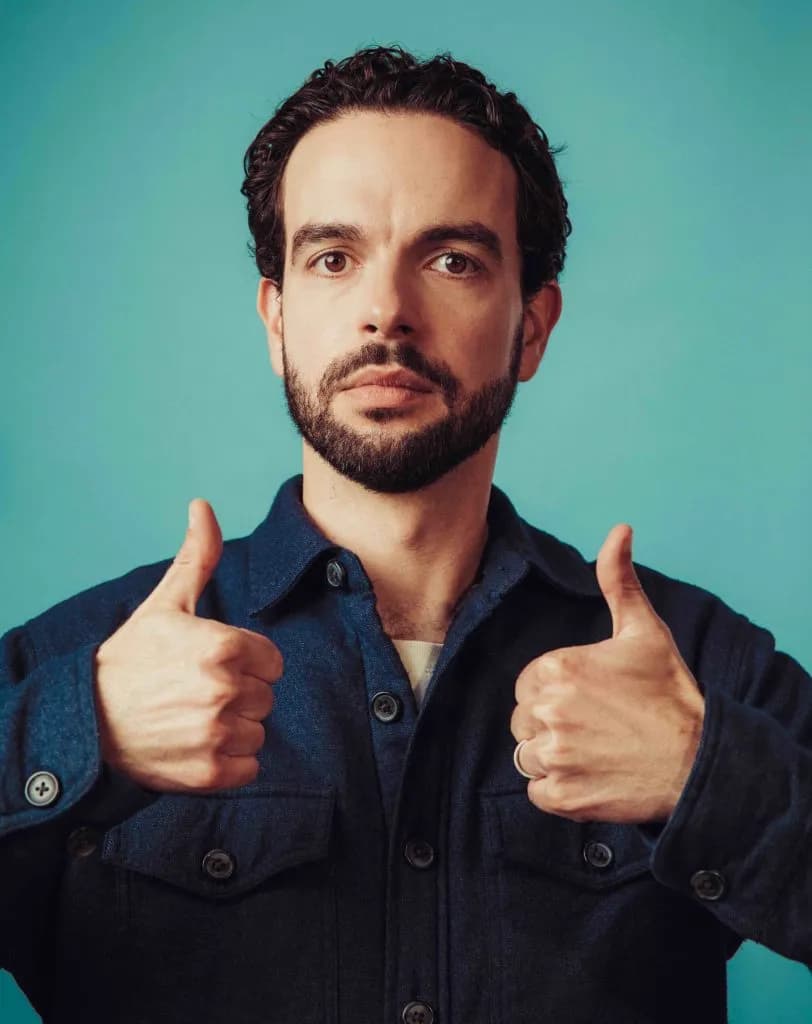
Rennie Harris Brings Puremovement Street Dance to Beaver Creek
Rennie Harris performs with his Puremovement company at the Vilar Performing Arts Center in Beaver Creek, arguing that street dance requires intellect and discipline rather than just instinct.
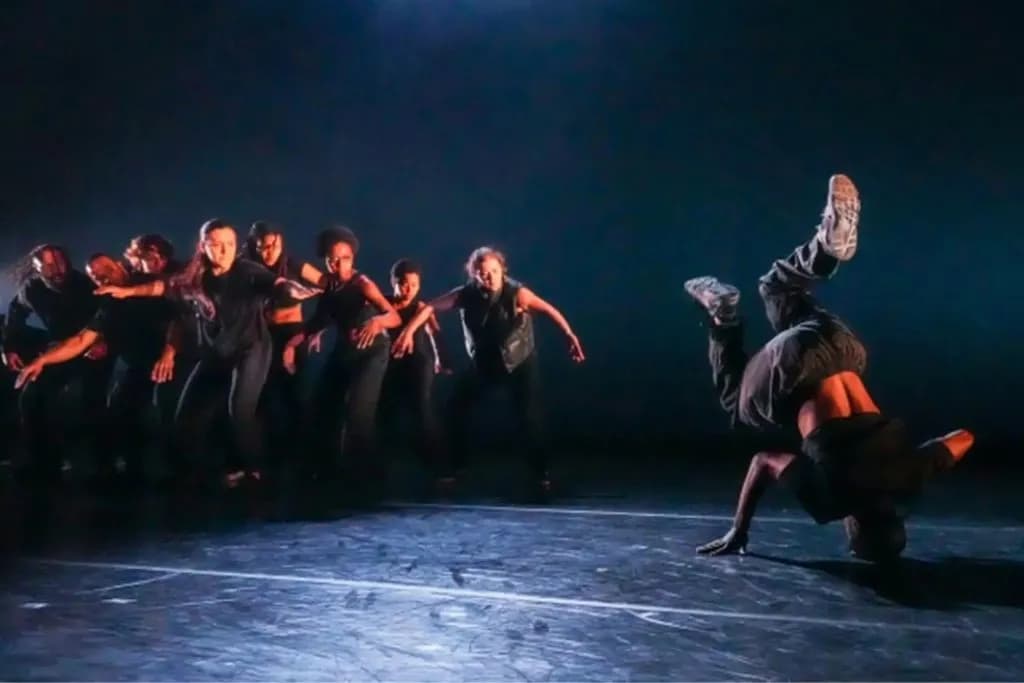
Aspen —Rennie Harris grew up in North Philadelphia, watching Don Campbell and The Campbell Lockdancers on The Carol Burnett Show. That visual memory didn’t just inspire a career; it defined a lineage of movement that Harris now carries to the Vilar Performing Arts Center in Beaver Creek.
On Wednesday, his company, Rennie Harris Puremovement American Street Dance Theater, takes the stage for “Nuttin’ But a Word.” It’s not just a dance recital. It’s an argument about what street dance actually is, and why locals should care about the difference between what they see on TV and what happens in the studio.
“The question is whether,” Harris said, “you understand the intellect behind the movement.”
To hear him tell it, most people get it wrong. They see a dancer moving freely and assume it’s pure instinct. They see jazz hands and call it hip-hop. Harris argues that 90% to 95% of what passes for hip-hop on television is actually isolated jazz movement. Real hip-hop, he says, is a popular party social dance. It’s Roger Rabbit. It’s Biz Markie. It’s The Dougie.
But that’s not what we’re seeing on the small screen.
“That’s all hip-hop dance is, but that’s not what we’re seeing on television,” Harris said. “90% to 95% of it is isolated jazz movement.”
He points out that jazz emerged from Africanism within American culture. It’s built on individuality and improvisation. But here’s the catch: what looks like freestyling is often highly disciplined. A dancer might make up a move, then lock it into a specific sequence. It’s not just visceral reaction. It’s spiritual understanding. It’s intent.
“I call it more or less freestyling versus improvisation,” Harris said. “Because improvisation suggests there’s no intellect or discipline, that it’s just visceral … but there is a strong intellect behind it all.”
When Harris teaches street dance, he’s not just teaching steps. He’s teaching history. He’s teaching technique. He’s teaching exactly what the dancer is doing and why.
The term “street” itself is a euphemism, Harris argues. It doesn’t just mean the pavement. It means community. It means hanging out at friends’ houses. It means playing basketball. It means church. Street dance is simply an extension of community dances that began in various areas across the country.
For Vail Dance Festival attendees, the connection might feel familiar. Think of Lil Buck’s Memphis Jookin. It’s the same principle. The movement comes from the people, not the boardrooms.
Harris’s generation defined three principles of hip-hop culture: innovation, individuality, and creativity. Newer generations of dancers tap into those principles to find their own unique style. It furthers the art form. It keeps it alive.
The repertoire Harris brings to Beaver Creek covers a variety of styles. There’s Cambellocking, which originally inspired him. There’s breaking, which emerged before hip-hop music, relying on funk. There’s popping and boogaloo and the robot. Harris notes that crumping and footwork are not considered hip-hop. They possess different movement bases that result in various styles.
Each style took years to develop. Years of practice. Years of understanding aesthetics, movement, and sequences.
“And though we freestyle it, prelearning movements, we learned it as children,” Harris said.
Long before locking or breaking, there were social dances like the Charleston. Each style took years of practice, development, and understanding. Harris views the difference between street dance and concert hall performance as minimal, except for one thing: adrenaline. In a ticketed venue, the energy shifts. The stakes change.
But the core remains the same. It’s about community. It’s about history. It’s about the story told in every step.
“We start off as our own choreographers creating our own movement base,” Harris said. “I teach intent. I teach exactly what it is that you’re doing.”
When the lights go down at Vilar on Wednesday, locals won’t just be watching dancers move. They’ll be watching a history lesson in motion. And if Harris has his way, they’ll understand the discipline behind the dance.
Keep up with Aspen
The day's Western Slope news, one email each morning. Free.