Resilience Force Trains Diverse Workforce in Bilingual Chainsaw Skills for Aspen Fire Mitigation
Resilience Force hosts a bilingual chainsaw course in Aspen, training a diverse group including recent graduates and non-English speakers to fill the wildfire mitigation workforce gap.
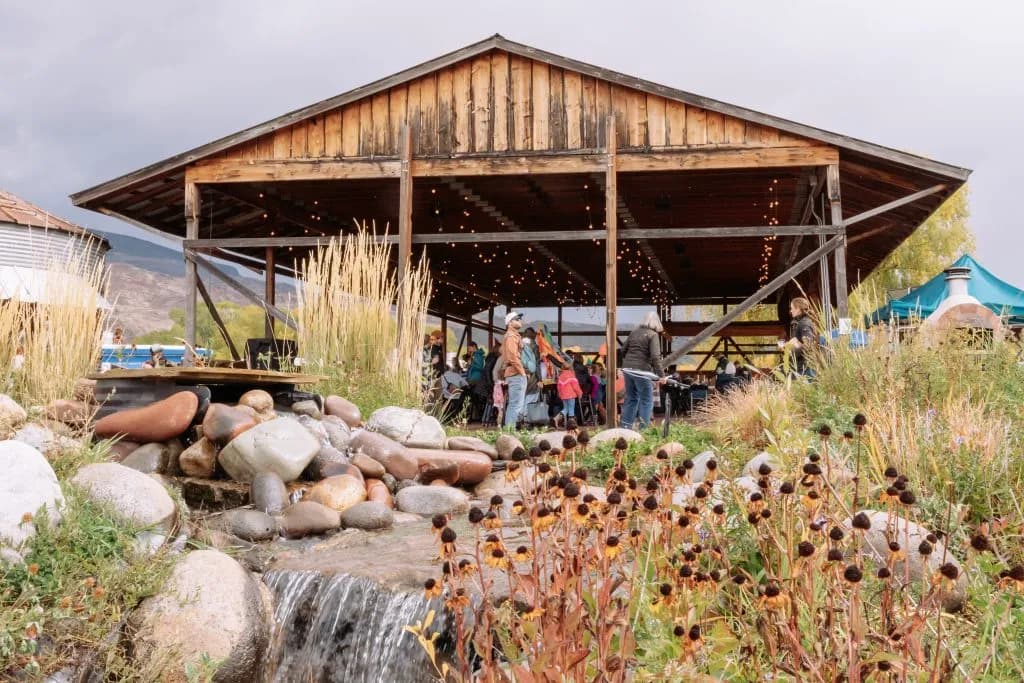
Aspen —The air at Cozy Point Ranch smells of diesel fumes, damp earth, and the sharp, green scent of fresh-cut pine needles. It’s a specific, heavy perfume that clings to your clothes and stays there long after you’ve left the worksite, a sensory reminder that you’ve been handling something dangerous, something that bites back if you aren’t paying attention. This week, that smell was the backdrop for a quiet revolution in how the Roaring Fork Valley prepares for its next big fire, and more importantly, who gets to hold the saws.
We usually think of wildfire mitigation as a technical problem, a matter of engineering and forestry degrees. But the new bilingual chainsaw training hosted by Resilience Force challenges that assumption. It suggests that the biggest barrier to resilience isn’t just the dry brush on the slopes, but the workforce gap sitting right here in our own backyards.
Rick Balentine, president of the Aspen Wildfire Foundation, put it plainly: there’s a lot of mitigation work that needs to be done, and there’s just no workforce in this valley that can do it either at all or at a reasonable cost. The federal cuts to the Forest Service have left a hole that can’t be filled by bureaucracy alone. So, they turned to Resilience Force, a national organization focused on building climate adaptation infrastructure, to fill it.
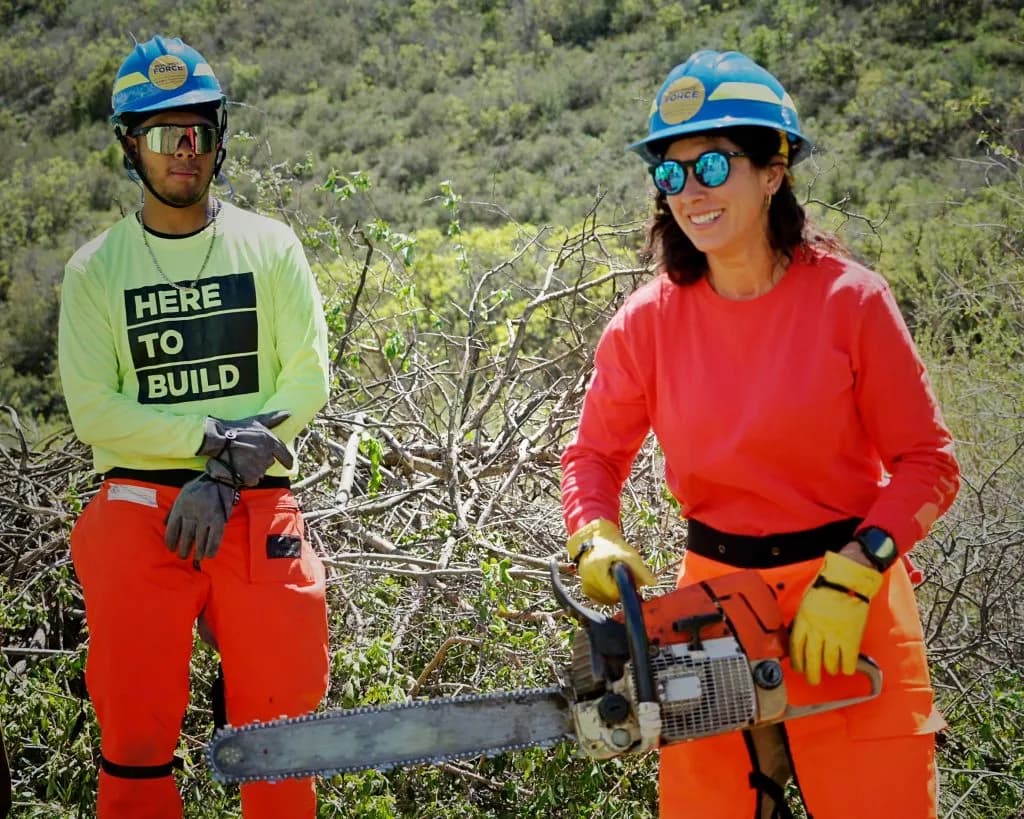
The result was a course that felt less like a corporate seminar and more like a community gathering. Fifteen participants showed up. You had recent college graduates looking for a start, and you had houseless individuals and non-English speakers finding a way in. Braulio Jerez, the Aspen Police human services officer, helped recruit them, bridging the gap between law enforcement and livelihood. It wasn’t just about learning to pull a cord; it was about learning to survive the fire season and earn a decent, livable wage while doing it.
Molly Bartlett, the managing director of Resilience Force, noted that they wanted to create entry points and opportunities for upskilling. There’s a lot of work to be done, and so they think it’s incredibly important to make the workforce as big and diverse and scalable as possible. With a $50,000 state grant, they’re not just teaching people to use a chainsaw; they’re teaching them to navigate the physical and economic landscape of the valley.
If you look closely at the participants, like James Nunley demonstrating proper personal protective equipment on a skull found on the worksite, or Jose “Arjuna” Maria Ibarra and Daniel Mackner fueling their chainsaws, you see the texture of this new reality. They’re learning site safety, how to clean and maintain the tools, how to clear wildland fuels. They’re earning S-112 certification, the basic credential that qualifies them to run a chainsaw on a fireline. It’s practical, gritty work.
The contrast is stark. We worry about the cost of living, about who can afford to stay in Aspen, about who gets left behind. Here, in the mud and the noise, a path is being carved out. It’s not a perfect solution — Balentine admits they can’t fill the gap 100% — but it’s a start. It’s a way to turn the threat of fire into an opportunity for employment, for stability, for community.
As the day winds down, the chainsaws quiet. The dust settles on the ranch floor, mixing with the crushed pine needles. You can feel the weight of the day in your shoulders, the ache of muscles you didn’t know you had. It’s a good ache. It’s the feeling of work done, of tools mastered, of a community getting tougher, smarter, and more ready for what comes next.
Keep up with Aspen
The day's Western Slope news, one email each morning. Free.
NWRM CASA Honors Judge O’Hara and Founders at 15th Anniversary

Craig Hosts Only Regional Special Olympics Bowling Competition