Roaring Fork School District Selects New Board Member for District B
The Roaring Fork School District interviews four candidates to fill the vacant District B board seat, with a focus on balancing academic metrics with student enthusiasm.
Aspen —The Roaring Fork School District has been limping without a full fifth board member since mid-April. That’s not a metaphor. It is a structural deficit in local governance that has persisted for months. Now, the district is trying to plug the hole with four candidates who interviewed Tuesday.
Make no mistake: this isn’t just about filling the seat. It’s about who decides the future of the schools that serve Carbondale, Ironbridge, and the stretch of Highway 133 down to Redstone. The district needs a representative for District B who can serve until the next election in November 2027. That is a long time to be making decisions on behalf of the people living west of the highway.
The short version of the search process is this: four residents stood in front of the board. They had fifteen minutes each. They gave opening statements. They answered questions. Then they left. The public got to watch it all on YouTube. The candidates were Jonathan Delk, Nikolai Furmansky, Richard Neiley, and Bryan Whiting. Their resumes and cover letters are sitting on the district website, waiting for you to dig them up.
Jonathan Delk, one of the four, offered a perspective that cuts through the usual bureaucratic fog. He talked about measuring academic success. He called the standard way "boring." He meant it literally. The Colorado Department of Education has a checklist. Delk says we should just follow the checklist. Standardized tests. Graduation rates. Attendance. Dropout rates. It’s mundane. It’s safe. It’s what the state demands.
But Delk didn’t stop there. He looked for something less tangible. Something harder to quantify. He wants to know if the kids are happy.
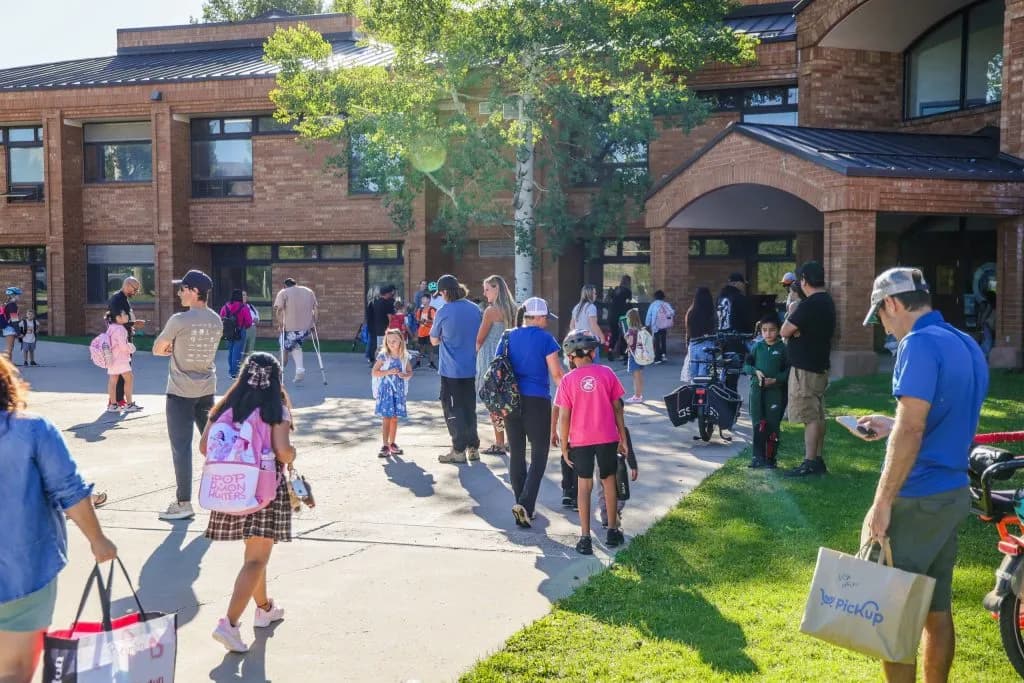
“Do they jump out of the car smiling?” Delk asked. “Or do they arrive sleepy, tired, dragging their backpacks and shouting in protest?”
That is the real metric. Not just test scores. Not just the bottom line on a spreadsheet. It’s the energy in the hallway. It’s whether the work feels like a burden or a challenge. Delk argues that enthusiasm is the best indicator of success. It’s a simple idea. It’s also a dangerous one for officials who prefer data they can hide in a binder.
The district covered the basics. The interviews were public. The candidates were vetted. Jonathan Landon, the Senior Project Manager, collected the notices of interest by 4:00 p.m. on Wednesday, May 20. The process was orderly. The process was transparent. But is it effective?
District B is huge. It covers the urban core of Carbondale. It includes Ironbridge. It stretches into Aspen Glen. It touches the south side of Four Mile. It reaches all the way to Redstone and Marble. It is a diverse, sprawling territory. One person will represent all of it. One person will have a voice in shaping policy for thousands of students.
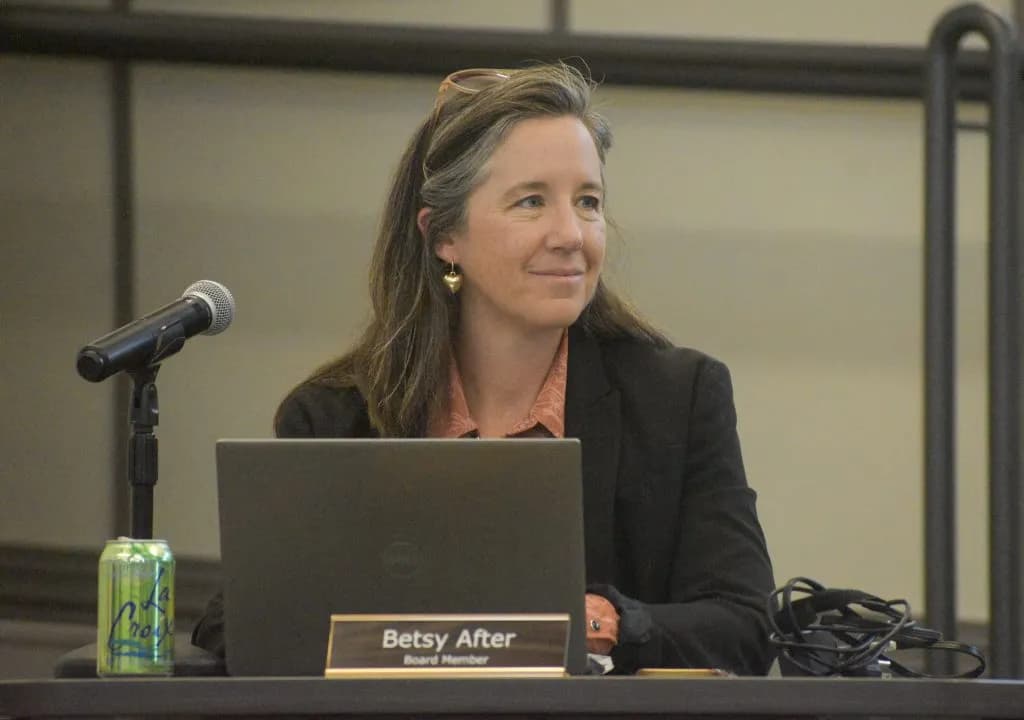
The current board member, Betsy After, resigned in mid-April for family reasons. The seat has been empty since then. That is four months of reduced voting power. Four months of potential gridlock. The new appointee will serve until November 2027. That is over three years. That is a long time to be making decisions without a full complement of leadership.
Delk’s focus on student enthusiasm is worth watching. It challenges the status quo. It suggests that the district should care more about how kids feel than how they score. It’s a provocative take. It’s also a necessary one.
The other three candidates — Furmansky, Neiley, and Whiting — gave their statements. They answered the questions. The board listened. Now the waiting game begins. The district will pick one. The rest will go back to their jobs, their homes, their lives. The one who gets the job will have to balance the "boring" metrics with the messy reality of human enthusiasm.
Read that again. The district is asking you to choose between a checklist and a smile. It’s not an either/or. But it is a tension. And it’s one that will define the next administration.
The interviews are done. The candidates are known. The job is waiting. The question is whether the board is ready to listen to the kids, or just the state.
Keep up with Aspen
The day's Western Slope news, one email each morning. Free.