Ron Hanks Promises Nuclear and Coal Energy for Western Slope
Former intelligence officer Ron Hanks campaigns for Colorado’s 3rd Congressional District, advocating for coal, oil, and small modular nuclear reactors while criticizing large-scale solar farms on agricultural land.
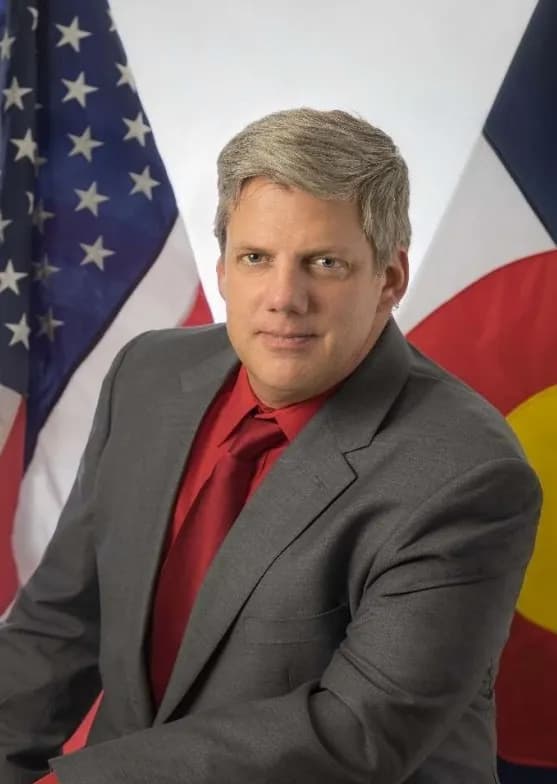
Glenwood Springs —Ron Hanks has spent his life looking at the map through the lens of a soldier, first as an Arabic linguist and intelligence officer for 32 years, and now as a candidate for Colorado’s 3rd Congressional District. But if you listen closely to his recent opinion piece in the Vail Daily and the Post Independent, the view he’s offering isn’t just about borders or battles. It’s about energy, specifically the kind that hums through the wires and heats the homes of the Western Slope.
The question locals are asking isn't just who is running, but what kind of Colorado do they want to wake up to? Hanks wants one powered by coal, oil, gas, and small modular nuclear reactors, not the sprawling solar arrays he’s grown alarmed by on the drive home.
"I have grown alarmed by the huge 'black lakes' I’ve seen while traveling roads throughout the district that turn out to be thousands of acres of solar panels out on agricultural land," Hanks writes.
It’s a visceral image, that of a dark, reflective sheet covering fertile ground, and for a man who sees national security in every policy decision, it’s a problem that needs solving. He believes Colorado can be a significant power producer for the American energy grid, leveraging our "clean, high-energy coal" and oil and gas reserves. It’s a bold stance for a district that often prides itself on environmental stewardship, but Hanks argues that manufacturing — whether it’s heavy industry or pharmaceuticals — is a national security issue, and you can’t bring that home without abundant, consistent energy.
You can feel the weight of his military background in his approach to the federal budget. He doesn’t just want to trim the fat; he wants to start from zero. He advocates for "zero-based budgeting," where each department builds its fiscal plan from the ground up, spending only on programs deemed constitutional. With the annual budget sitting at approximately $7.5 trillion, and much of it seemingly unaccounted for, he thinks Congress needs to be more dedicated to rooting out the fraud.
"Frankly, we don’t even know where much of the approximately $7.5 trillion annual budget is going," he notes.
It’s a stark assessment. And it’s not just about money. It’s about land and water. Hanks believes we need to secure our land and water rights from foreign purchase, using expanded energy capacity to desalinate seawater. Why? To reduce the demand of the downriver states by a few million acre feet and start filling Colorado reservoirs. It’s a complex web of energy, agriculture, and geopolitics, all tied together by the idea that if we control the power, we control the future.
He’s running to be a consistent conservative vote, to move the "America First" agenda forward during President Trump’s final two years. He supports tariff negotiations as an instrument of foreign policy, believing Trump has used them masterfully to put us in a stronger negotiating position during this massive global economic reset.
But what does that mean for the folks in Delta, Montrose, or Ouray? It means a push for more nuclear reactors, more coal, and a skepticism toward large-scale solar farms eating up agricultural land. It means a federal government that audits every dollar and renews every law with an expiration date, so nothing lingers in the system longer than it’s needed.
Hanks promises to meet regularly with constituents, to listen closely to your concerns while seeking your ideas for solutions. He’s committed to representing 27 counties and nearly 50,000 square miles of western and southern Colorado. It’s a big district, a rugged landscape where the mountains rise up like sentinels and the valleys hold the secrets of the past.
As you drive down Highway 50 or the Glenwood Canyon Expressway, look out for those "black lakes" of solar panels. They’re there, quiet and reflective, waiting for the next election to decide if they stay or if the coal fires burn brighter. The air smells of pine and diesel, and the wind carries the dust of the high desert, a reminder that this land has always been about resource, about power, about who gets to use it.
Keep up with Glenwood Springs
The day's Western Slope news, one email each morning. Free.
Alliance Defending Freedom Demands Roaring Fork Schools Drop 3Rs Curriculum
White River National Forest Proposes New Management Zones at Sweetwater Lake