Routt County Blocks Data Centers with Comprehensive Zoning Code
Routt County's 2024 Unified Development Code explicitly prohibits data centers by default, protecting agricultural lands from industrial server farms despite federal pressure.
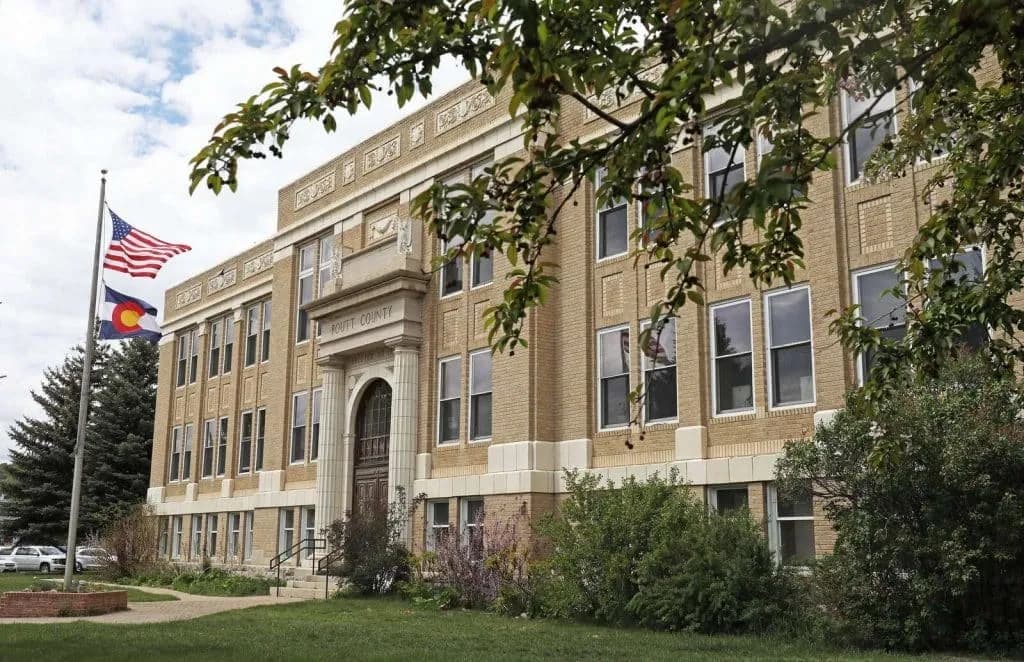
Steamboat Springs —The hum of a server farm is a low, constant thrum, the sound of digital breath kept in check by massive cooling fans. It’s a sound that doesn’t belong in the quiet, high-altitude air of Steamboat Springs, where the wind cuts across the prairie and the only electricity usually consumed is what powers the tractors or the ski lifts. Yet, Bryan Swintek came back from Washington, D.C., with a different kind of noise in his head. He told his colleagues at the June 16 regular meeting that data centers are inevitable. “It’s not about if they come, it is when they come,” Swintek said, noting that federal officials are pushing the infrastructure down to the local level because it’s a national security imperative, a cold war necessity against China that states are too politically toxic to manage directly.
But if you look closely at the development code in Routt County, the answer to Swintek’s anxiety is already written in the fine print. The facilities are prohibited.
Michael Fitz, a planner with the Routt County Planning Department, explained that the county’s Unified Development Code, adopted in 2024, operates on a simple logic: if it’s not on the list, it’s not allowed. And data centers are not on the list. They are prohibited by default. This is a significant distinction from many other parts of the state, where sprawling agricultural zones might be “un-zoned” or loosely regulated, leaving them vulnerable to a sudden influx of industrial-scale server farms. Routt County is different. It is blessed with comprehensive zoning, meaning even the most remote stretches of land are covered by a specific zone district and explicitly restricted to permissible uses, primarily Agriculture and Forestry.
“In most cases, that would be the Agriculture/Forestry zone district,” Fitz said. “They are not an allowable use anywhere in the county in any zone district in the use chart.”
This isn’t just bureaucratic pedantry; it’s a buffer against the fears that are driving the push elsewhere. Data centers require massive amounts of electricity to run and cool their equipment, and in some cases, they rely on substantial water use for cooling. In a region already grappling with drought and energy demand, the idea of a facility sucking up resources to store digital information for AI systems or cloud computing feels like an intrusion. Fitz noted that there are “great (and justifiable) fears in many parts of the country that data centers can pop up in agricultural areas,” but for now, those fears are staying just outside our borders.
The debate in Washington and the state capital is about who gets to host this new industrial age. But here, in the valley, the decision was made before the first server was even shipped. The code is a wall, thick and unbroken. And if you walk out to one of the remote agricultural plots, you won’t see the blinking lights of a server farm. You’ll just see the grass, the sky, and the quiet certainty that what is not listed is not allowed.
Keep up with Steamboat Springs
The day's Western Slope news, one email each morning. Free.
Aspen Housing Authority Seeks $590K Office Upgrade Amid Cramped Conditions
Vail Secures Water Rights for 37-Unit Montelisse Condo Project
Moffat County Commissioners Weigh Data Center Moratorium Amid Transparency Claims

New Jersey Couple Tracks Lost Dog from Steamboat to Toponas

Poet kweisi hosts book signing at Steamboat's Off The Beaten Path