Routt County Enacts Stage 1 Fire Restrictions for Unincorporated Areas
Routt County commissioners unanimously enacted Stage 1 Fire Restrictions effective June 18, prohibiting open fires and setting strict rules for chainsaws and welding in unincorporated areas.
Steamboat Springs —When does a routine Tuesday vote actually change how you burn trash or start your chainsaw? That’s the question facing neighbors in unincorporated Routt County.
The commissioners voted unanimously to enact Stage 1 Fire Restrictions, effective midnight Thursday, June 18. They stay in place until officials decide the risk has dropped enough to matter. It’s not a suggestion. It’s a prohibition on open fires across the unincorporated parts of the county.
Let’s look at why.
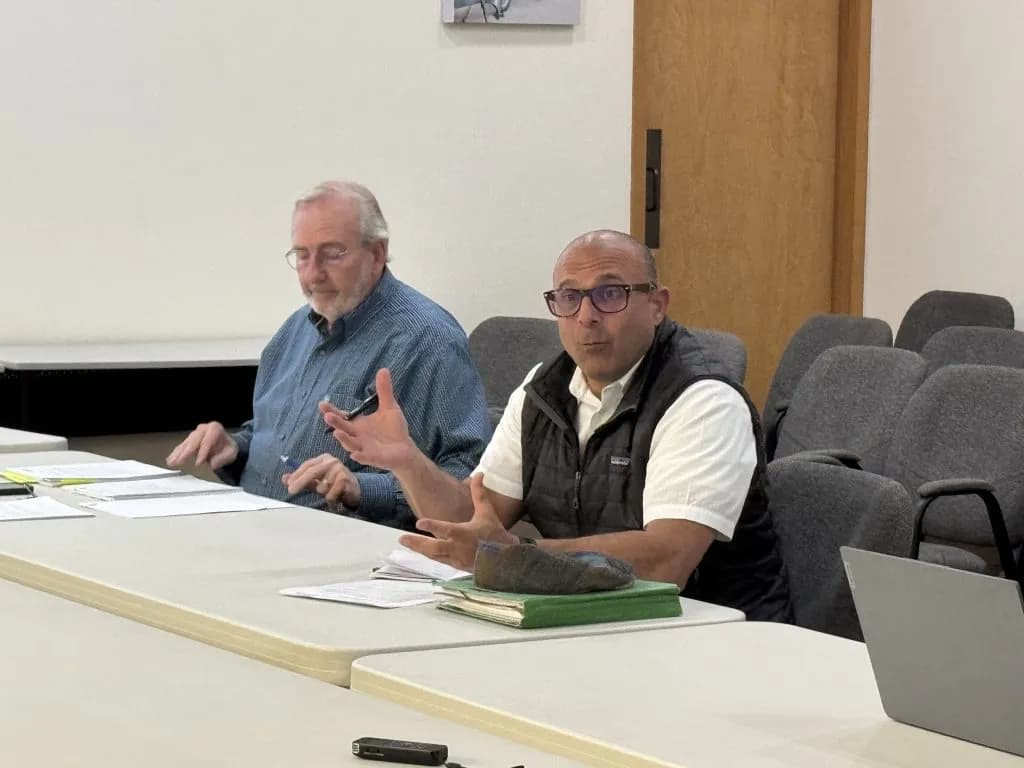
Routt County Emergency Manager Mo DeMorat says the decision isn’t arbitrary. Federal, state, and local partners track moisture content, weather forecasts, and suppression resources. Last week, the county met three of eight criteria for restrictions. This week, it hit six.
“Routt County jumped from meeting three criteria last week to meeting six of the eight criteria this week, we definitely recommend that we go into Stage 1 restrictions,” said Sheriff Doug Scherar.
He’s not being dramatic. He’s stating a trend. Scherar expects Stage 2 restrictions as early as next week. If conditions don’t improve, the rules get tighter.
So, what can’t you do?
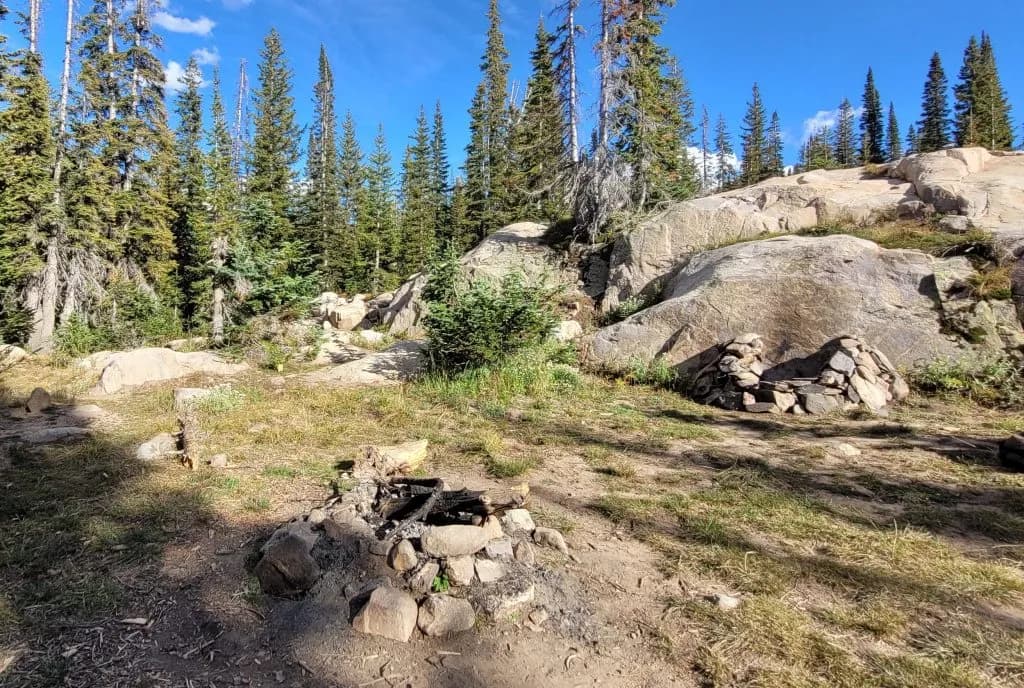
First, no open fires. No campfires. No burning trash, debris, fence rows, irrigation ditches, or vegetation. You can use petroleum-fueled stoves, lanterns, or heating devices, but only if they’re Underwriter-approved. If it’s an open flame and you lit it yourself, it’s likely banned.
Second, smoking is restricted. You can’t just drop a cigarette anywhere. It has to be in an enclosed vehicle, a building, a developed recreational site, or in a cleared area at least three feet in diameter that’s barren of flammable material.
Third, chainsaws. You can’t just fire up your Stihl and start cutting. You need a USDA or SAE-approved spark arresting device (muffler) installed and working. You also need an eight-ounce chemical pressurized fire extinguisher with you. And a pointed shovel, at least 36 inches long. The extinguisher stays with the operator. The shovel can stay with the fuel, but it has to be ready to grab.
Fourth, welding and torches. If you’re using acetylene or another open-flame torch, you need a cleared area. Ten feet on all sides. Barren. No flammable material within that radius.
Fifth, explosives. Fireworks, blasting caps, exploding targets. If it explodes and might ignite something else, it’s out.
“The following acts are prohibited under Stage 1 Fire Restrictions,” the statement notes. It lists them clearly. The goal is consistency. DeMorat says agencies are working together to ensure federal, state, county, and other unincorporated lands follow the same rules.
Why does this matter to you?
If you’re living in the unincorporated areas — outside Steamboat Springs city limits — you’re directly affected. You’re the one checking the weather and the fire danger index. You’re the one deciding whether to burn your brush pile or haul it to the dump.
The ordinance passed last week allows this. It prohibits open fires during high danger periods. This vote just activated it.
DeMorat says the process is “scientific and accurate.” It’s based on measured criteria. But the bottom line is simple: the risk is higher now. The fuel is drier. The weather is forecasting trouble.
Scherar’s warning about Stage 2 next week is the real takeaway. If you think Stage 1 is strict, Stage 2 will be stricter. The window to act is closing.
The restrictions remain in effect until conditions change sufficiently to mitigate the risk of a human-caused wildfire. That’s the official line. In practice, it means you’re responsible for knowing when the ban lifts. It’s not automatic. It’s a decision made by officials who are watching the data.
For now, keep your trash burning to a minimum. Keep your chainsaw muffler clean. And keep an eye on the sky.
Keep up with Steamboat Springs
The day's Western Slope news, one email each morning. Free.

Moffat County Fair Awards Crown Winners in Horse Show and Crafts
Leela Bridgewater and Corgi Freya Win Routt County Fair 4-H Dog Show