Senator Michael Bennet Targets 30% Housing Cap in Colorado Governor Run
Senator Michael Bennet outlines his platform to fix Colorado's cost-of-living crisis, promising a 30% housing cap and a public healthcare option while contrasting his record with Trump's administration.
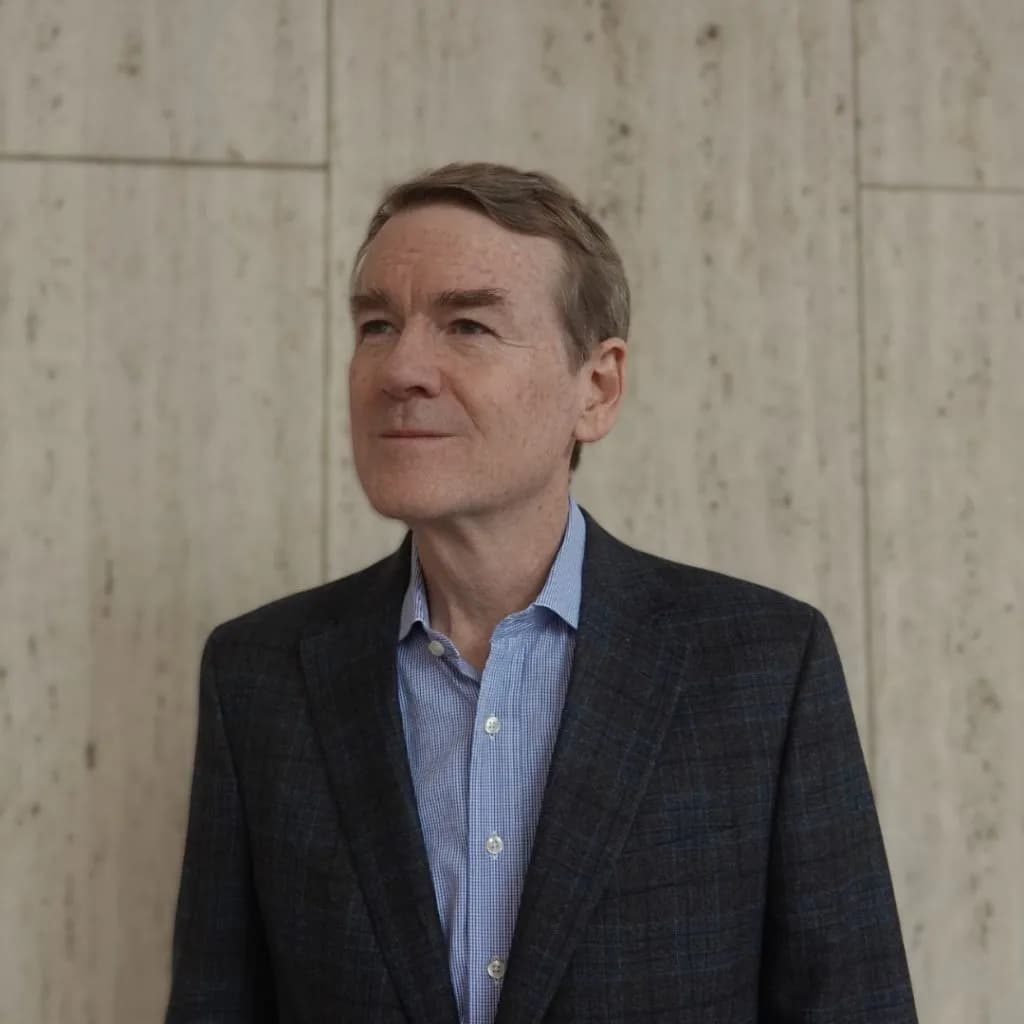
Glenwood Springs —“Housing is too expensive. Healthcare is skyrocketing. Childcare is impossible to find.”
That’s the chorus Senator Michael Bennet hears when he drives up and down the state, from the high country to the western slope. He’s not just reciting a campaign slogan here; he’s describing the daily reality for neighbors who are watching their paychecks shrink while their grocery bills swell.
And that matters because Bennet believes Colorado can lead the nation in fixing this cost-of-living crisis. He’s running for governor, and his pitch is simple: turn the state around before the divisive politics of President Donald Trump pull us further apart.
Picture this: a family in Carbondale trying to figure out if they can afford to keep their kid in childcare while one parent works and the other looks after an elder. Or a rancher in the Thompson Divide watching oil and gas drilling threaten the land they’ve stewarded for generations. Bennet says he’s been in those rooms. He says he’s fought for those people.
He points to his time in the Senate as proof. He led the charge against Trump’s most dangerous cabinet nominees — Robert F. Kennedy Jr., Pete Hegseth, and Tulsi Gabbard. When the administration tried to sell off public lands, Bennet says he won the fight to stop them. He cites specific wins: protecting more than 700,000 acres of public lands, designating the Camp Hale-Continental Divide National Monument, and securing federal funding for the Shoshone Water Rights.
But here’s the thing though: voters are skeptical. They remember the promises. They recall the budget crises. They recall the sky-high costs that make Colorado the third most expensive state in the nation. Bennet isn’t just listing achievements; he’s contrasting himself with the rest of the field.
“I’m the only candidate with a goal to ensure no Coloradan pays more than 30% of their income on housing,” he claims.
It’s a bold number. Thirty percent. That’s a threshold many locals are already breaking. And it’s not just about buying a house. It’s about the affordable housing across the High Country, from Steamboat to Edwards to Carbondale. He says he helped build that. He says he delivered the Precourt Healing Center so Western Coloradans could get mental healthcare without driving over the pass.
Healthcare is another pillar of his platform. Rural hospitals are struggling to keep their doors open. Insurance costs are rising. Bennet wants to launch a real public option. Not just tweaking the Affordable Care Act, but investing in patients and providers instead of insurance companies and private equity.
And then there’s the climate piece. This year, mountain communities are facing the lowest snowpack on record. It’s not a theoretical problem anymore. It’s a water shortage. It’s a fire risk. Bennet proposes a cap-and-invest system, requiring corporations to cut emissions. It’s an economy-wide solution, he says.
Trump, of course, is the foil. Bennet paints the president as doing everything he can to make matters worse — sending in masked agents, attacking Colorado, trampling the rule of law. Bennet refuses to let Colorado be defined by Trump’s “lawlessness.” He sees himself as the counterweight.
But can he deliver? The source material suggests he has a track record of fighting for Western Slope interests, water rights, public lands, healthcare access. Yet, the promise of a public option and a 30% housing cap is a lot to ask in a state budget that’s already in crisis.
The story isn’t just about Bennet’s resume. It’s about whether locals believe his vision can survive the political grind. It’s about whether the 30% housing cap is a realistic target or just another campaign promise. It’s about whether the cap-and-invest model will actually lower costs for the folks in the valley who are already paying through the nose.
Bennet says there’s a real difference between the candidates. He says he’s got a vision for a Colorado that serves the entire state, not just the Front Range.
The sun is setting over the Elk Mountains, casting long shadows across the snowpack. The water levels are low. The housing prices are high. And the debate is heating up.
Keep up with Glenwood Springs
The day's Western Slope news, one email each morning. Free.
Alliance Defending Freedom Demands Roaring Fork Schools Drop 3Rs Curriculum
White River National Forest Proposes New Management Zones at Sweetwater Lake