Steamboat Rodeo Grounds Earn Historic Landmark Status for Tax Relief
The Howelsen Hill Rodeo Grounds receives historic landmark status in Steamboat Springs, unlocking tax refunds and new grant opportunities for the Pro Rodeo Series.
Steamboat Springs —What happens to the tax bill for a nonprofit that’s been paying to keep the lights on, when the city decides to hand the keys back?
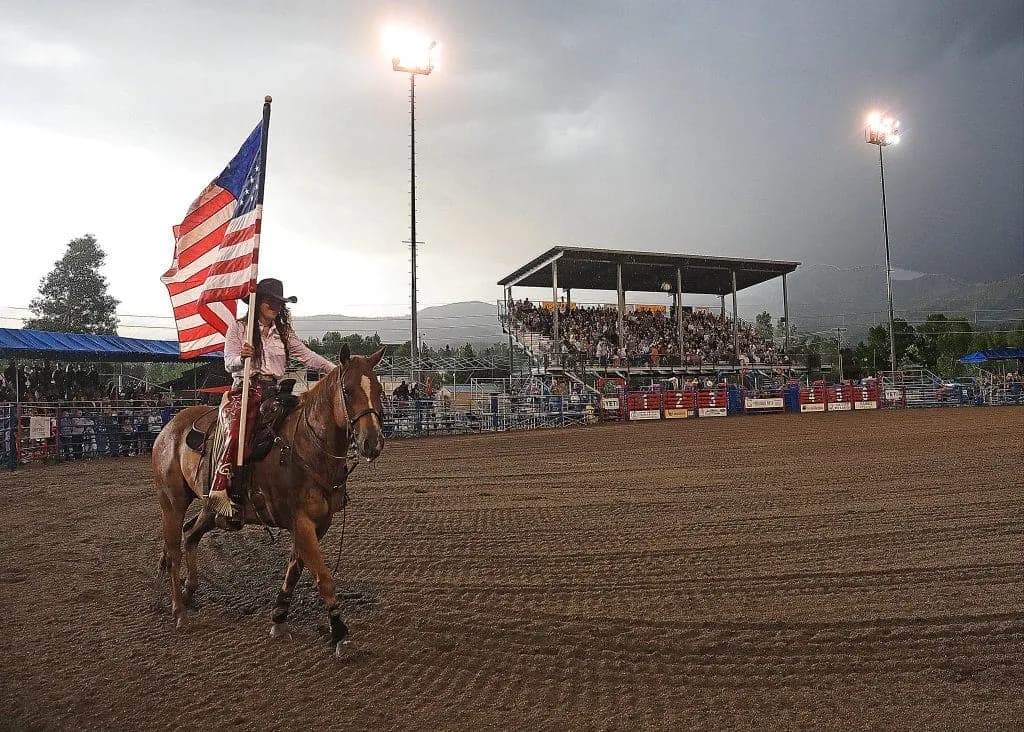
The Howelsen Hill Rodeo Grounds, officially the Brent A. Romick Arena at 401 Howelsen Parkway, just got a new label. The city’s Historic Preservation Commission designated it a local historic landmark on May 11.
On paper, this is about heritage. In practice, it’s about cash flow.
The designation recognizes the site’s century-old history as a cultural hub, but the immediate financial impact is a tax refund mechanism. The Pro Rodeo Series, despite its nonprofit status, had been paying a use tax on capital improvements. Now, they can bill the city for that tax and get it refunded. It’s a circular flow of funds, sure, but it reduces the drag on their operating budget.
“Ranching and agriculture is the crux of the city,” said City Historic Preservation Planner Caitlin Berube-Smith. “Historic designations allows the structures to serve the city for years to come and celebrate Western heritage.”
Let’s look at the timeline. The first publicized rodeo in Steamboat hit the pages of the Pilot in 1898. The event moved from Lincoln Avenue to this specific spot on Howelsen Parkway in 1908. It’s been here since. The Pro Rodeo Series itself launched in 1988, cementing the relationship between the town and the dirt arena.
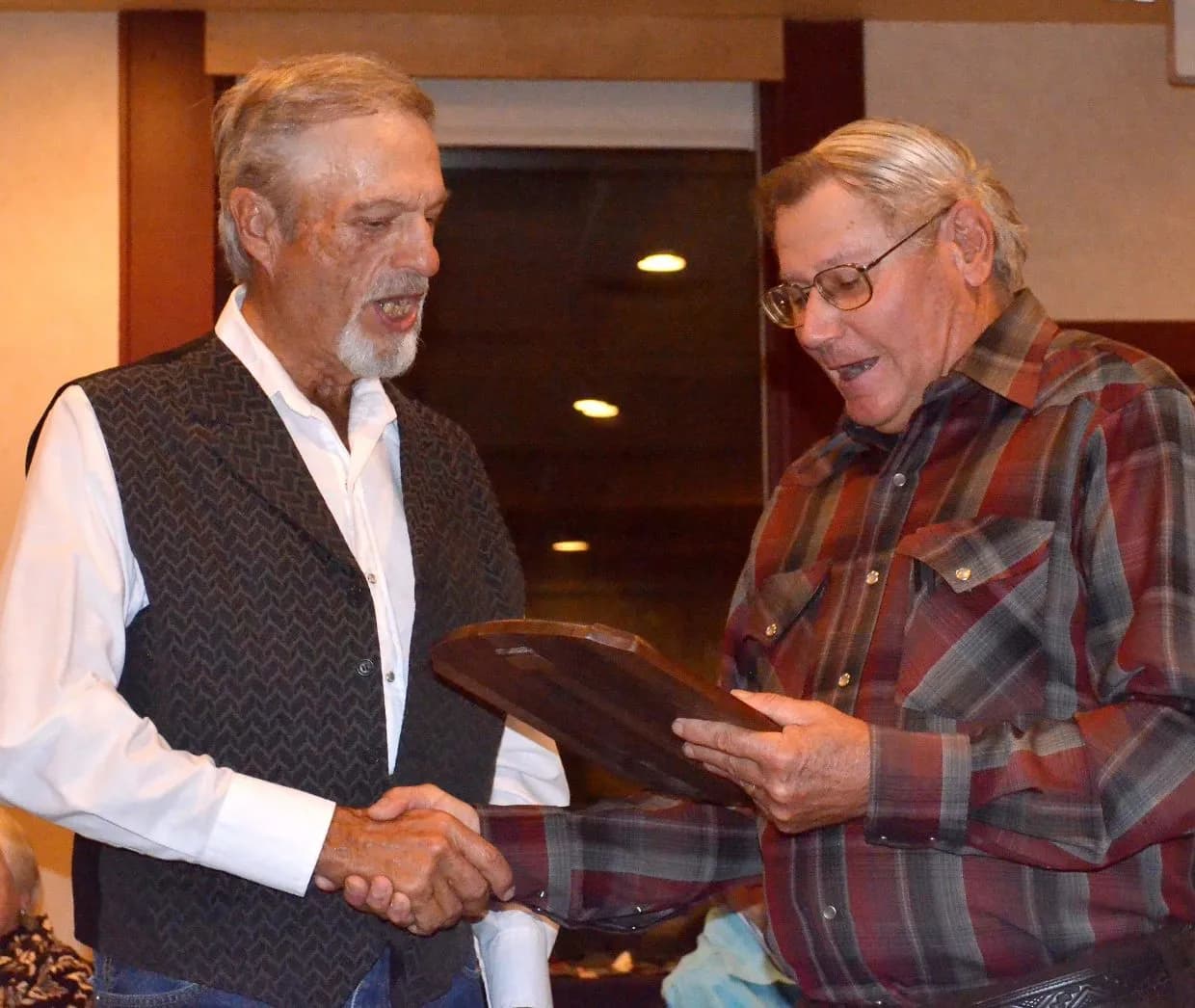
Brent Romick, the series chairman, sees this as more than just a plaque on the wall. He’s looking at a doubling, maybe even tripling, of funding through new grants and donations that were previously off the table.
“Knowing that we have a permanent home makes everything easier,” Romick said.
The myth of historic designation is that it freezes a building in time. You can’t change a thing. Berube-Smith pushed back on that. “Cultural places are rooted in change,” she noted. The designation doesn’t lock the brakes; it just ensures the changes are respectful of the site’s DNA.
For locals, the question is usually: who pays? The city absorbs the tax refund, which is a line item adjustment rather than a massive new levy. But the real value is in the stability. The arena isn’t going anywhere. It’s anchored at the base of Howelsen Hill, a location that has hosted cowboys and cowgirls since the cattle drives started shaping the valley’s economy.
Romick put it bluntly. “By securing historic designation we are cementing the DNA of the rodeo in town.”
The facility has evolved from makeshift fences and horses to accommodating cars, and now it’s getting a formal nod from the city. This isn’t just about nostalgia. It’s about securing the future of an institution that has defined Steamboat Springs for over a century. The tax relief helps. The grant eligibility helps more.
The bottom line? The rodeo stays put. The city keeps its heritage label. And the nonprofit gets a bit more breathing room in its budget. It’s a win for the history books and a practical win for the balance sheet.
Keep up with Steamboat Springs
The day's Western Slope news, one email each morning. Free.