Steamboat Gondola Transit Center Costs Jump to $75 Million
The Steamboat Springs Gondola Transit Center budget has surged from $50 million to $75 million, forcing the City Council to decide between amending the agreement or redirecting funds to smaller fixes.
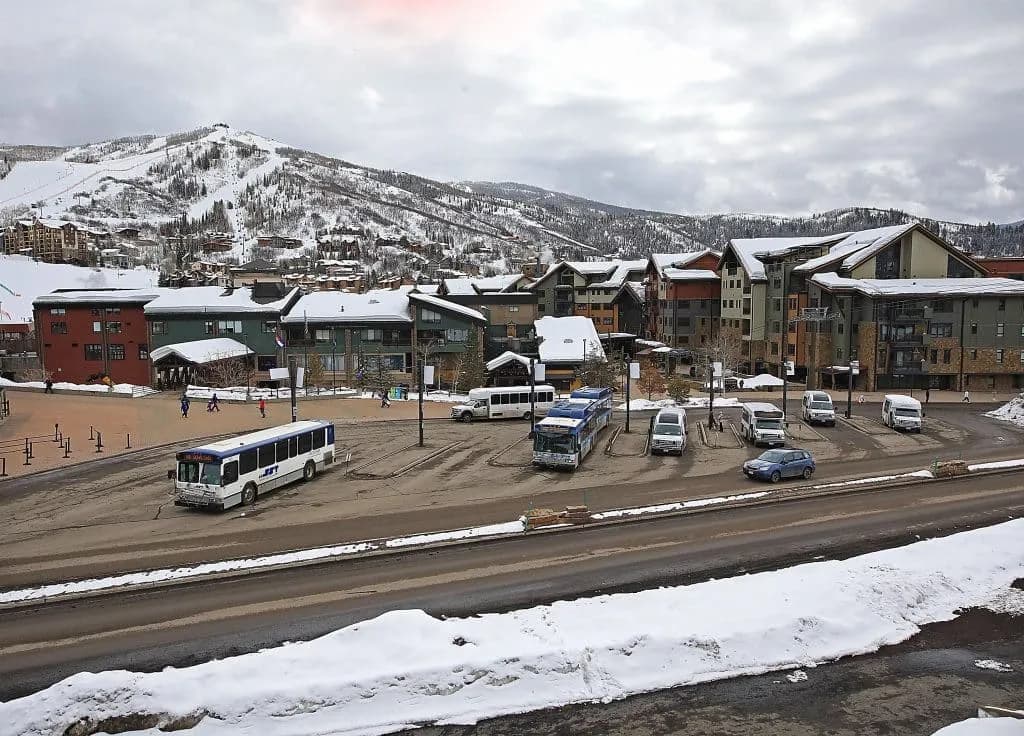
Steamboat Springs —The number is $75 million.
That’s what it’s going to cost to build the Gondola Transit Center in Steamboat Springs. Not the $50 million promised in the 2023 Public Improvements Agreement. Not the comfortable, projected figure that fit neatly into the city’s urban renewal budget. We’re talking about a 50% cost overrun, minimum.
For context, that’s an extra $25 million sitting in limbo, tied up in design fees and unresolved questions about snowmelt systems and bus berths. It’s enough money to pave every road in the base area twice over. Or it’s enough to fix the potholes on Lincoln Avenue for the next decade. But right now, it’s just a number on a spreadsheet that’s getting bigger every time the City Council meets.
The Steamboat Springs City Council spent last week wrestling with this exact problem. They’re staring down a stark choice: double down on a transformative but ballooning vision, redirect those redevelopment dollars to smaller, more achievable fixes in the base area, or try to negotiate a compromise with Steamboat Ski & Resort Corp. before the outside deadline hits in late 2027.
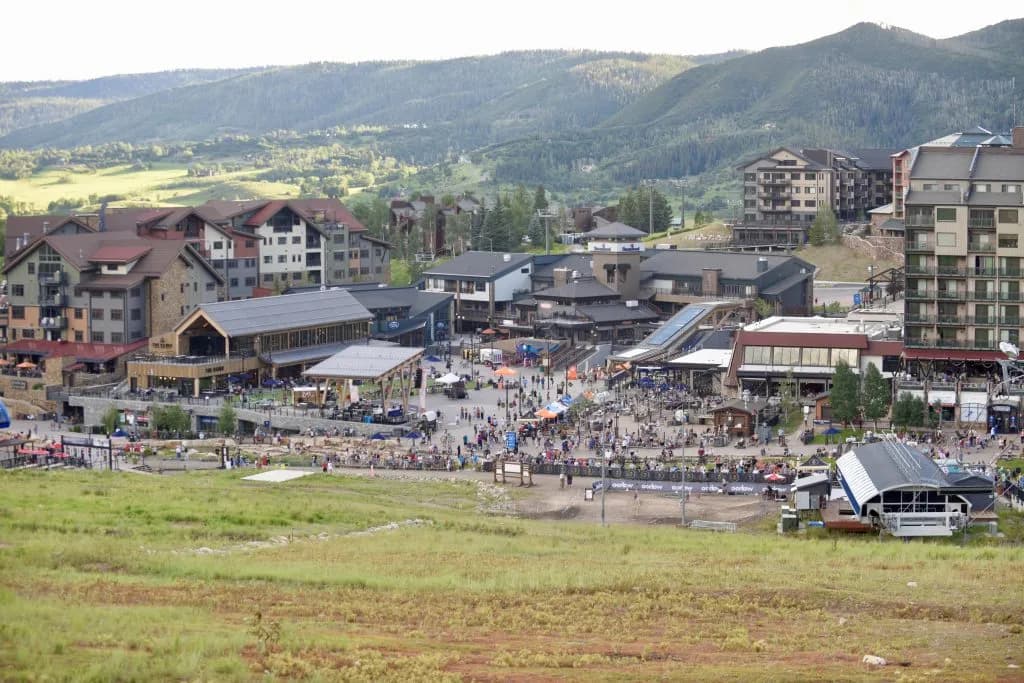
Gates Gooding, the city’s SSRA project manager, opened the discussion by insisting the core benefits haven’t changed. The Gondola Transit Center (GTC) would still transform the base area. It would still improve transit facilities. It would still separate pedestrians from vehicles and create a new hub in the Meadows parking lot. On paper, it’s the logical next step for a town that wants to reduce shuttle traffic on local roads.
In practice, it’s a logistical nightmare.
The project is complicated by unresolved questions that have nothing to do with grand visions. Staff pointed to specific issues: bus berth design, snowmelt system needs, and city climate codes that restrict fossil fuel use for outdoor heating. These aren’t abstract policy debates. They are concrete engineering problems that cost money to solve. And they are costing it faster than anyone anticipated.
The financial update presented at the Redevelopment Authority meeting was grim. The current PIA split the $50 million commitment between a $20 million SSRA contribution and a $30 million commitment from Ski Corp. Both sides have blown past those numbers. The city’s share is now estimated at roughly $30 million to $35 million. Ski Corp’s share is sitting at $40 million to $45 million.
Let’s do the math. That puts the total project cost at around $75 million.
Councilors Bryan Swintek and John Agosta didn’t mince words. They voiced frustration with how the process has been handled, with Swintek bluntly noting he felt “insulted” that the city was being presented with these cost escalations only after the fact. It’s a fair point. When you sign an agreement for $50 million, you expect some contingency. You don’t expect a 50% jump without a corresponding change in scope.
To keep moving, the partners need to amend the agreement on several fronts. They need to adjust budget commitments. They need to fix the schedule. They need to agree on the snowmelt design and the berth alignment. Without those changes, staff warned, continuing to spend design money is risky. Neither side wants to keep funding a project that may not be mutually supported.
Staff recommended a June 30 negotiation deadline. That’s the line in the sand. Either they seal a deal on the amendments, or they declare an impasse.
If they declare an impasse, the alternative is redirecting those urban renewal dollars. Instead of one massive, risky project, locals get smaller, achievable fixes in the base area. It’s less transformative. It’s less flashy. But it’s also less likely to blow up the budget.
The clock is ticking. The outside deadline is late 2027. Every month of delay adds to the cost. Every month of delay pushes the completion date further out, which means more years of construction traffic and more years of uncertainty for property owners and commuters.
The bottom line is simple. The city is committed to spending $30 million to $35 million of its own money on this project. That’s a significant chunk of the urban renewal fund. If the final cost hits $75 million, the city is on the hook for nearly half of that total. That’s money that isn’t going to other infrastructure projects. That’s money that isn’t going to road maintenance or housing initiatives.
It’s a gamble. And right now, the odds are looking less favorable.
Keep up with Steamboat Springs
The day's Western Slope news, one email each morning. Free.