Denver Airport Radar Missed Man as Deer Before He Hit Frontier Plane
Denver International Airport's radar system detected a man scaling the eastern fenceline but the operator mistook him for deer, leading to a man hitting a Frontier Airlines plane. This article analyzes the gap between technological detection and human interpretation.
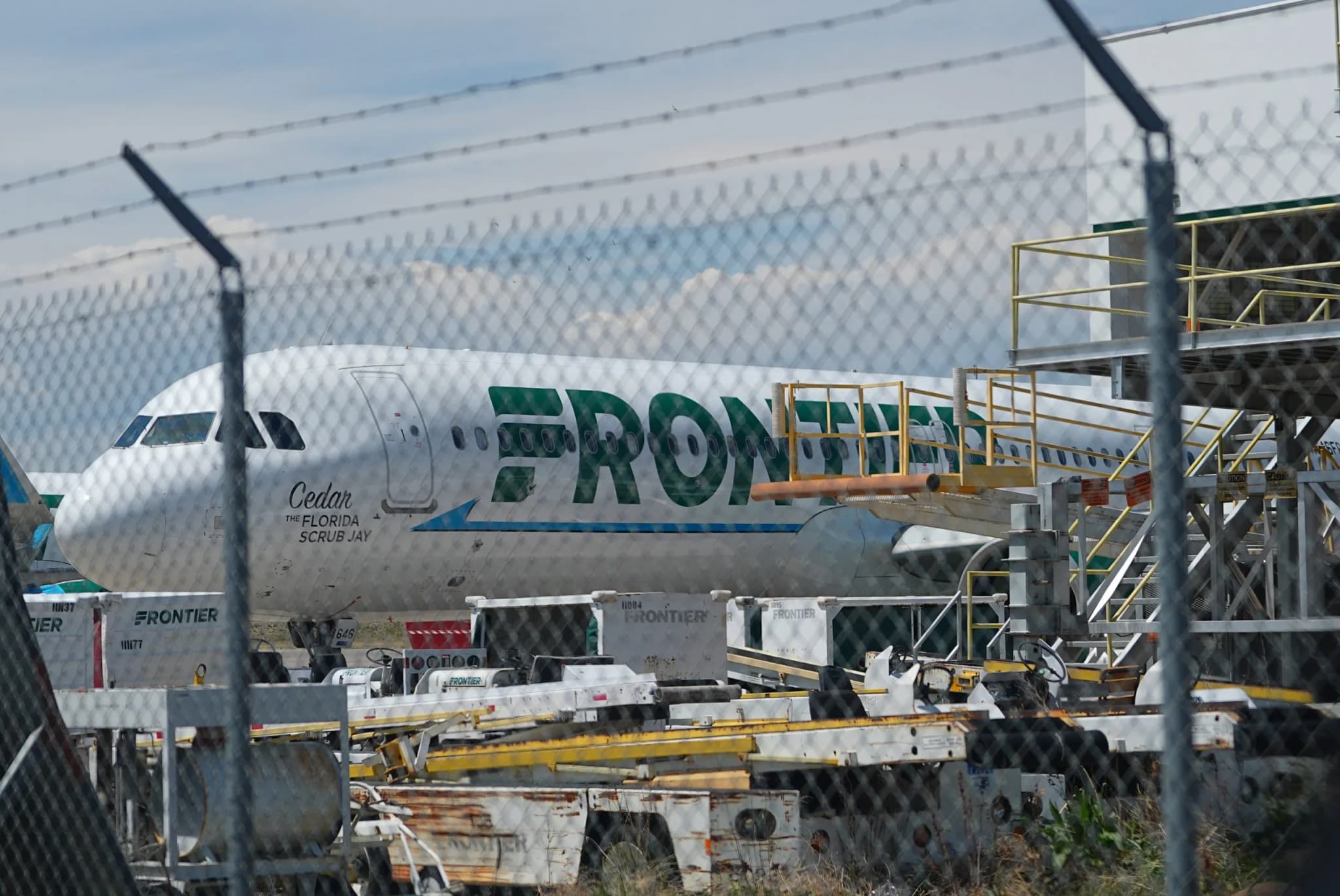
Colorado —“A radar system monitoring Denver International Airport’s eastern fenceline triggered an alarm minutes before a man scaled the 8-foot fence, ran onto a runway and was hit and killed by a Frontier Airlines plane about to take off, authorities said Tuesday.”
That quote from Airport CEO Philip A. Washington sounds like a press release designed to soothe nerves. It implies the system worked. It implies the layers held. But let’s look at the gap between the alarm and the impact. The operator saw deer. Not a 41-year-old man. Not Michael Mott. Just a herd of deer hiding in the ditches.
Mott climbed that 8-foot fence in about 15 seconds. He didn’t break the barbed wire. He didn’t need a vehicle. He didn’t need a bike. He just walked up to the eastern fenceline, jumped, and ran two miles to the runway. The system detected him. The operator missed him. That’s the story.
The result was a suicide. Investigators haven’t released the “why” yet, but they’ve confirmed the manner of death. The physical toll on the plane, however, was immediate. Frontier flight N646FR, carrying 231 people, aborted takeoff after impact. An engine caught fire. Twelve people reported minor injuries. Five went to the hospital. Only one remained there Tuesday morning.
Washington described the airport’s security as a “layered approach.” It is. We have ground-based radar. We have thermal cameras. We have patrols. We have 36 miles of fencing. This is the second-largest airport in the world by size, sprawling over 53 square miles. It’s hard to watch everything everywhere all at once.
But here’s the rub: the fence wasn’t damaged. The alarm went off. The issue wasn’t the technology’s ability to detect a breach. It was the human element’s ability to interpret the data. The operator saw deer. Mott was likely small, quiet, and moving fast. He slipped through the visual noise.
Washington said other people have scaled the fence before and were “apprehended very, very quickly.” He couldn’t say how many. That’s a gap in the data. If people are getting over the fence regularly, is the perimeter secure, or is it just a matter of luck?
The airport is now looking at improvements. That’s a polite way of saying they’ll spend money to fix the blind spots. The question is whether they’ll upgrade the radar, add more cameras, or hire more eyes on the ground. Or if they’ll just accept that an 8-foot fence is a suggestion to the determined, not a barrier.
For the 231 people on that plane, the cost was a delayed flight and a minor injury. For the taxpayers who fund the airport’s operations, the cost is the ongoing maintenance of a security grid that missed a man running toward a jet engine. The system worked on paper. In practice, it let a man slip through the cracks.
Mott was previously arrested for trespassing and resisting arrest in Colorado Springs in April 2026. He was homeless at the time. He knew how to get into places. He knew how to get over fences. He just needed to get to the runway.
Keep up with Colorado
The day's Western Slope news, one email each morning. Free.
Federal Report Sets 200,000 Acre-Foot Water Conservation Target for Upper Basin
Colorado Parks and Wildlife Deploys Precision Drones for Weed Control