Steamboat Springs Ties Stockbridge Campus Plan to Funding
Steamboat Springs launches a fast-track planning process for the Stockbridge Campus, tying potential housing and senior services directly to a rigorous financial feasibility study.
Steamboat Springs —The parking lot at the Stockbridge Transit Center is usually a study in mundane transit logistics. It’s where commuters swap sedans for buses, where the morning fog clings to the asphalt, and where the rumble of diesel engines provides the town’s ambient soundtrack. But this summer, that familiar rhythm is about to be interrupted by a planning team looking to turn a six-acre slice of land into something entirely new.
Here’s the thing though: the city isn’t just asking, “What do we build?” They’re asking, “How do we pay for it?”
Steamboat Springs has closed on the Campbell property, officially renaming it the Stockbridge Campus, and launched a fast-track planning process that promises to reshape the area near the Community Center. The goal? Housing. Childcare. Senior services. Maybe all three. Maybe just one. The city is betting that a compressed timeline and a rigorous financial filter will turn this vacant acreage into a solution for the local housing crunch, rather than just another expensive municipal experiment.
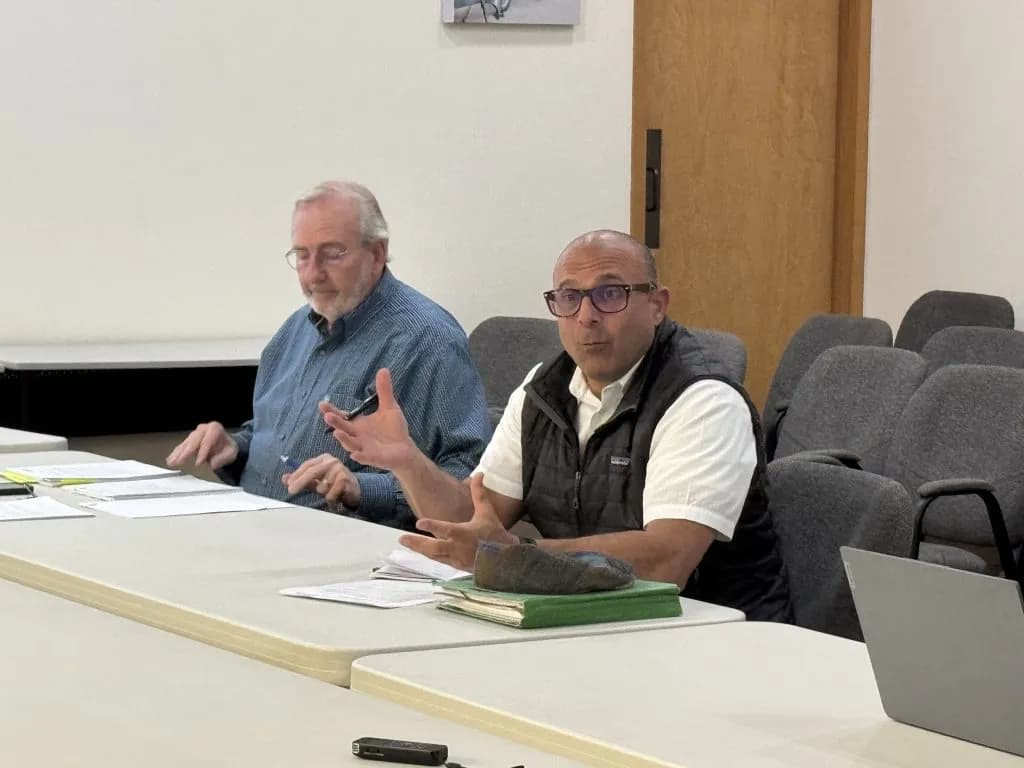
Keith Meyer, a civil engineer with Townscape Advisors who has spent thirty years navigating the messy intersection of public money and private development, is the man steering this ship. He’s not just drawing maps. He’s building a financial argument.
“We’re asking the planning consultant to not just come up with ideas, but to tie those ideas to feasibility and funding,” Meyer explained during the recent City Council update. “There will be a financial plan essentially tied to every alternative.”
That’s the contrarian hook here. Most development projects in this valley start with a vision and beg for money later. This project is starting with the money. The city has already committed $4.275 million in short-term rental tax revenue to buy the land — a deal closed in April — and secured roughly $1.6 million in federal spending for initial site work. But that’s just the down payment. The real cost of building out the campus will require a complex “capital stack” of tax credits, private debt, grants, and more local tax dollars.
The process kicks off in July or August, after the city selects a consultant from fourteen submissions. Deputy City Manager Kelly Romero-Heaney is managing the internal team, which spans planning, finance, engineering, transit, and legal staff. They’re working with Meyer to produce three distinct development alternatives. Each one comes with its own price tag and funding strategy. Then, they’ll narrow it down to one recommendation.
It’s a lot of pressure on a few months of planning.
The public will get a say, too. Romero-Heaney called it a “community-based design charrette,” which is bureaucratic speak for a collaborative workshop where locals can shout their preferences into the void. Will you want a senior center? A daycare? A mix of both? The feedback will shape the scenarios, but the financial reality will likely dictate what’s actually built.
Not exactly a blank check.
The city is walking a tightrope. They’ve used the transient occupancy tax, money collected from tourists staying in Airbnb-style rentals; to buy the land. Now they need to ensure that the housing or services built there justify that investment. If the financial plan fails, the six acres remain a six-acre problem. If it succeeds, it becomes a model for how small mountain towns can leverage tourism revenue to solve local workforce and senior care crises.
Picture this: a quiet Tuesday morning in July. The consultants are out there with their tablets and their spreadsheets, measuring the distance between the transit center and the future development. They’re calculating the cost of concrete, the price of steel, and the political cost of saying “no” to certain uses. The fog is still there. The buses are still running. But the air is different. It’s charged with the specific anxiety of people who know that once the plan is set, it’s hard to undo.
The city isn’t just building housing. They’re building a financial argument for why this land matters. And in a town where every dollar is scrutinized, that might be the hardest part of all.
Keep up with Steamboat Springs
The day's Western Slope news, one email each morning. Free.

Moffat County Fair Awards Crown Winners in Horse Show and Crafts

Leela Bridgewater and Corgi Freya Win Routt County Fair 4-H Dog Show