Sundance Film Festival Leaves Park City for Decade in Boulder
The Sundance Film Festival will relocate from Park City to Boulder for the next decade, prompting debate over whether the event retains its grassroots artistic identity or becomes a polished industry showcase.
The Sundance Film Festival is dying in Park City. Or rather, it’s already gone. The next 10 years of the event happen in Boulder.
That is the single most important fact about the festival’s future, and it dwarfs everything else. The move to the Flatirons is a logistical pivot that signals a fundamental break from the festival’s roots. Robert Redford didn’t build Sundance to be a luxury good in a mountain resort town. He built it for the artists.
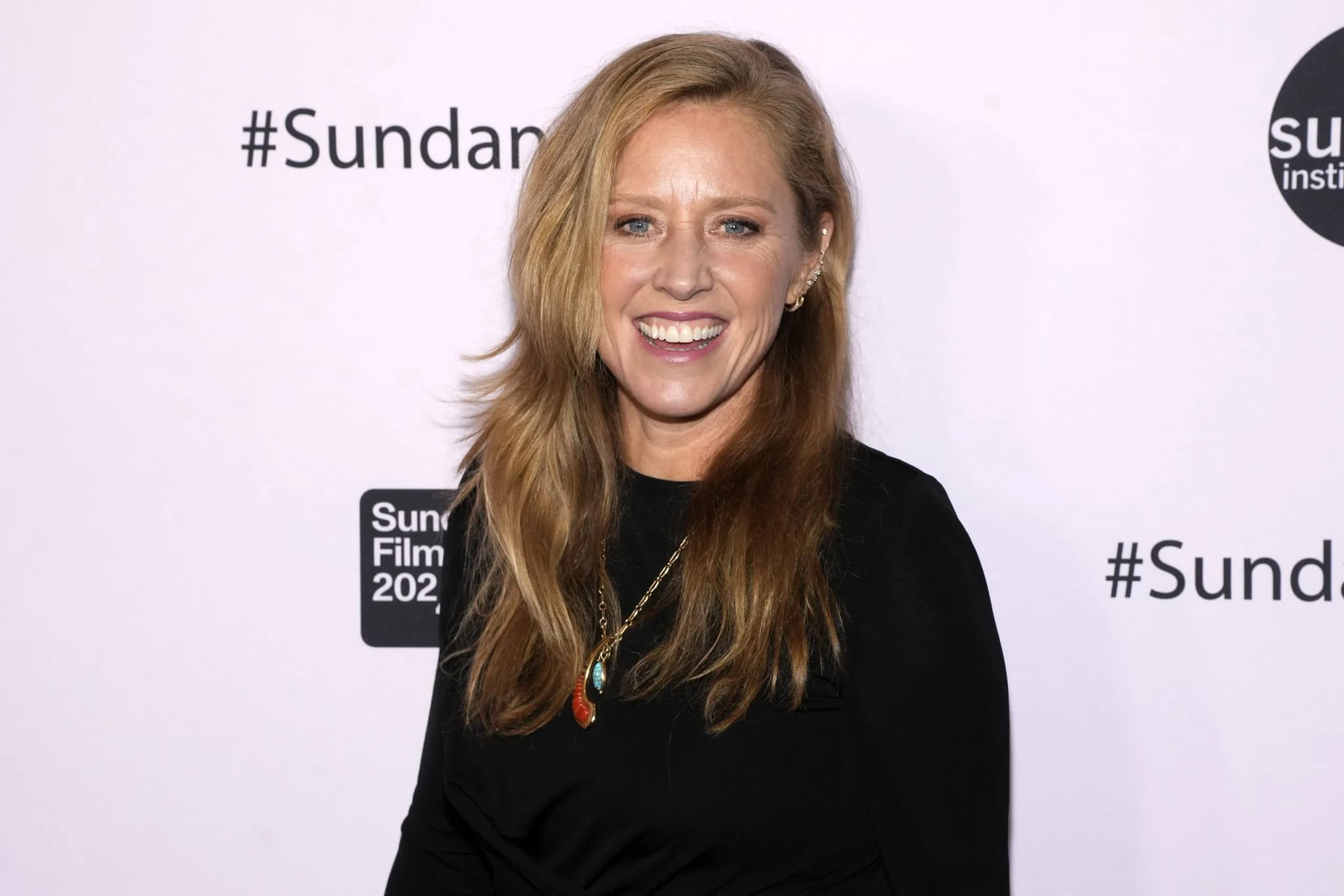
Amy Redford, Robert’s daughter and a filmmaker in her own right, understands that tension better than anyone. She told The Colorado Sun that the early days required a different kind of grit. Organizers stood on Main Street in Park City, handing out tickets to strangers. They begged people to come inside from the cold.
It wasn’t a gala. It was survival.
“Something about that I think was really exciting and fun and new,” Amy Redford said. “You realize also some people just needed to come in from the cold.”
Audiences would arrive shivering, ready for a nap. Then they’d sit down and watch a life-changing film. That friction — that gap between the harsh Utah winter and the raw, unpolished art inside the theater — was the point. It was a community gathering, not a networking event.
The festival has since become one of the most star-studded, see-and-be-seen events in Hollywood. That is a twisted joke given that Robert Redford didn’t like Hollywood very much. He founded Sundance in 1984 to give independent filmmakers a platform away from the studio system. Now, those same filmmakers are walking red carpets in Boulder.
The shift isn’t just about location. It’s about isolation. Film is a lonely industry, particularly for those working outside the major hubs of Los Angeles and New York. Colorado filmmakers live in a vacuum. They make films here, but they rarely connect with each other until Sundance rolls around.
Amy Redford sees that isolation as the festival’s core value proposition, even as it grows. The event serves as a rare point of contact for creators who might otherwise work in silos. It’s where the industry talks to itself, but it also forces a conversation about what comes next.
Organizers are now looking at college campuses to figure out the festival’s trajectory. They want young creators to help define what Sundance is, not just who attends it. This is a direct challenge to the current model of prestige and polish.
The Colorado Sun reported that a panel on Tuesday will feature writers, directors, and producers sharing their “Mostly True Stories From the Sundance Film Festival.” Amy Redford is participating. She’s not there to reminisce about the ticket-holding days, though she remembers them vividly. She’s there to discuss what it feels like to be a creator who believes in a story and realizes it has an audience.
She spoke about her first experience at Sundance, which was as an actress in a film called “Cry, Funny, Happy.” They shot it from midnight to 3 a.m. over several months while everyone worked other jobs. It was messy. It was real.
That reality is what’s at risk in Boulder. The move to a new home for a decade forces the festival to decide what it is. Is it still the place where you stand in the cold and hand a ticket to a stranger? Or is it now a polished industry showcase that just happens to be in Colorado?
The answer matters for every filmmaker on the Western Slope. If Sundance becomes purely a networking hub, it loses its soul. If it stays true to the artist’s experience, it remains vital.
Amy Redford knows the history. She knows the cost of that early grit. The festival is betting that its new home in Boulder will preserve that spirit, even as the crowds get bigger and the stars get brighter.
We’ll see if the cold still matters when you’re in Boulder.
Keep up with the Western Slope
The day's Western Slope news, one email each morning. Free.