Tennessee Inmate Survives Failed Execution Due to Backup Plan Error
Christa Pike remained alive 24 hours after her scheduled Tennessee execution because the state's redundant backup IV and dosing protocol also failed, leaving prison officials scrambling to explain the critical error.
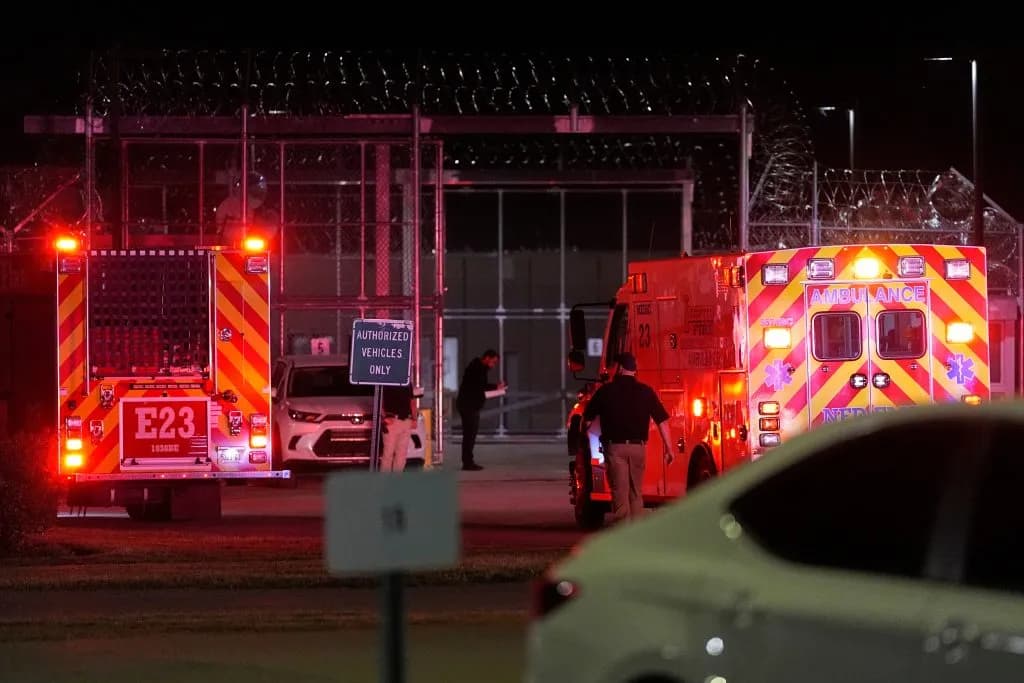
Aspen —Christa Pike was still alive on Thursday, 24 hours after her scheduled execution in Tennessee. She sat in a hospital bed, in critical condition, while prison officials scrambled to explain why their backup plan didn't work.
It wasn't the first IV that failed. That was the expected hiccup. The problem was the redundancy system itself. Tennessee’s protocol includes two specific safeguards: dual intravenous lines and a secondary dose of pentobarbital. If the initial needle slips or a vein ruptures, the team switches to the second site. If the inmate is still conscious five minutes after the first 100-milligram dose, they get another one.
Vail Daily reported that prison leaders had reviewed and approved a detailed contingency plan before Pike was ever brought into the chamber. They knew exactly what to do if the first attempt failed. And they did it. They placed the second line. They administered the second dose.
But it didn't matter.
The short version is that having a backup plan doesn't mean the backup works. It just means you have a second chance to fail. In Pike’s case, the second chance failed too. It’s not yet clear what went wrong. Was the second IV site compromised? Did the second dose not reach the bloodstream? Or was there a medical complication unrelated to the injection?
Tennessee falls in the middle of the pack when it comes to execution contingencies. Some states, like Idaho, have plans for nearly every step of the process. Idaho allows for up to three full doses of any of its four approved drug cocktails. It even has a backup plan for its new primary method, the firing squad. If the first volley doesn't kill the inmate, the prison director can order a second volley within two minutes.
Alabama, on the other hand, has almost no backup. Its three-drug protocol allows for a second dose of the sedative midazolam if the inmate isn't unconscious. But if the inmate is still alive after the paralytic rocuronium bromide and the potassium chloride, the protocol doesn't say what to do.
Make no mistake: the death penalty is messy. It involves needles, veins, and high-stakes medical procedures performed in a prison, not a hospital. Even with redundant systems, human error and biological variability can derail the process.
Pike’s fate remains uncertain. Her prognosis is unclear. But the machinery of state execution is far more fragile than the paperwork suggests.
Keep up with Aspen
The day's Western Slope news, one email each morning. Free.