The Farm Collaborative Opens Regenerative Learning Center in Aspen
The Farm Collaborative launches its Regenerative Agriculture Learning Center and Farm Co Market in Aspen on June 14, offering a new community hub for education, local food, and connection.
Aspen —The smell of damp earth and crushed sage hangs heavy in the air just off Agricultural Way, a scent that feels less like a tourist attraction and more like the breath of the valley itself. It’s a grounded, honest odor, one that cuts through the sterile, recycled air of the high-end boutiques and ski lodges that usually define Aspen’s downtown core. For the locals who have watched this plot of land sit in various states of construction and contemplation for the better part of a decade, that smell is the first promise that something different is finally happening here.
After ten years of planning, pouring concrete, and planting roots, The Farm Collaborative is finally opening its doors to the public. This isn’t just a new shop; it’s a Regenerative Agriculture Learning Center paired with the official launch of the Farm Co Market, creating what organizers are calling a "third space" for the Roaring Fork Valley. It’s a place that exists between the home and the workplace, a hub where neighbors can linger, learn, and perhaps, just for a moment, forget the pressure to be productive.
The grand opening is set for noon to 4 p.m. on June 14 at 200 Agricultural Way. The event promises farm tours, a ribbon-cutting ceremony, and live music from Stagecoach Rush, all accompanied by free food catered by the local Farmer & Chef. Attendance is free, though you’ll need to RSVP at secure.qgiv.com/for/thefarmcollaborativegrandopeningjune14/event/grandopening2026. But the real story isn’t in the schedule; it’s in the intent.
“We’ve been dreaming of it for a decade,” said Liz Wing, the outreach coordinator for The Farm Collaborative. “The overall goal for it is to be a third space for the community. It’s a hub where people can spend as much time here as they want, feed animals and learn and fall in love with their backyard.”
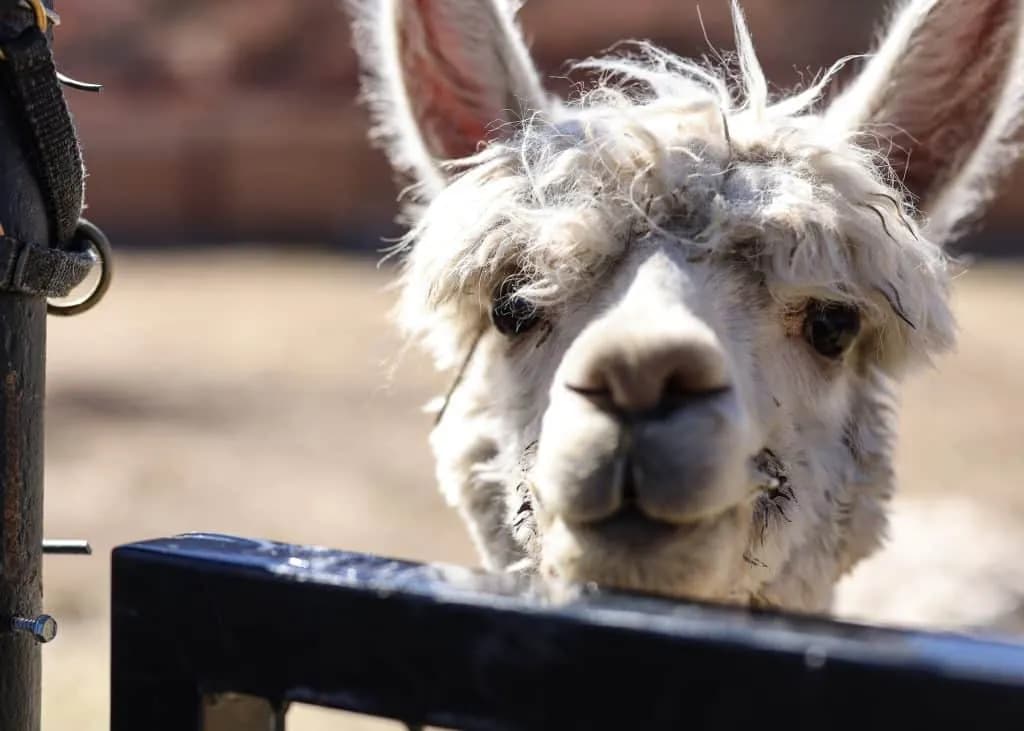
Wing describes the new building as a place where visitors can finally get comfortable. Previous iterations of the farm were functional but lacked the amenities that make lingering possible. Now, there are restrooms and running water, spaces that allow people to connect with others, enjoy coffee, and shop at the new Farm Co Market without feeling like they’re just passing through. There’s even a beaver dam on the property, a living lesson in how keystone species transform riparian zones, visible to those who take the time to look.
“It’s hopeful,” Wing said. “It’s a place where people learn that it’s not all doom and have a moment of joy and awe.”
The concept of regenerative agriculture here isn’t just about soil health; it’s about rewiring the brain. Wing notes that this approach subverts the expectation that nature needs to be neat and tidy. It allows for diversity, for chaos, for life. And that lesson, she argues, applies to how we live together in the community. “All the living things on the farm are collaborating,” Wing said. “Everything is working together, and the humans can be that way, too.”
While you don’t have to educate yourself on agricultural practices to walk through the doors, Wing insists there will be people around to talk about the processes if you want to learn. “Identifying a plant opens up your world in a way,” she said. “You’re just more informed, and it can feel comforting. That’s the impact it has on me.”
The Farm Co Market, which is already operational and welcoming the valley, supports local farmers and helps community members who might not know where to start when trying to eat healthier. “People say, ‘I want to eat well, but what does that mean?’ We’ve done that work for you,” Wing said. It’s a resource for people to come and eat food that has been grown right here, in the shadow of the mountains, with the same care that goes into the soil.
As the sun sets over the valley, casting long shadows across the fields, the farm feels less like an institution and more like a living room for the community. You can feel the warmth of it, the way it invites you to stay a while, to touch the earth, and to remember that growth, whether of a plant or a person, takes time.
Keep up with Aspen
The day's Western Slope news, one email each morning. Free.

Garfield County Libraries Host Fall Events Across Valley Branches
Eagle County Woman Beats Cancer With Vail Valley Fund Help