Western Slope Residents at Higher Risk for Sleep Apnea
Sleep apnea is a hidden threat to heart health in the Western Slope due to its high elevation. Learn about the risks, symptoms, and treatment options.
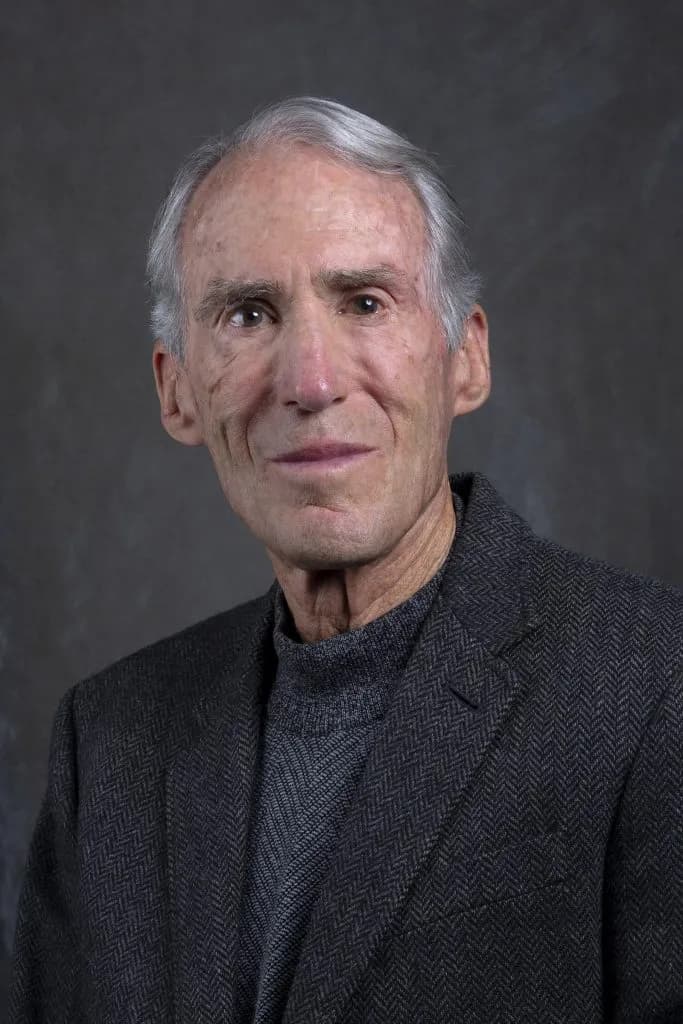
Glenwood Springs —Glenwood Springs resident, John, woke up gasping for air — again. His wife had been noticing his periodic pauses in breathing during sleep for months. She urged him to see a doctor. John's story is not unique. Sleep apnea, a condition characterized by periodic absence of breathing during sleep, affects many on the Western Slope.
February was heart month, and sleep apnea is a primary risk factor for heart attacks. There are two types of sleep apnea: obstructive and central. Obstructive sleep apnea is common in people who are overweight or have a thick neck. Central sleep apnea, on the other hand, is prevalent in people living above 3,000 feet, especially as they age. The Western Slope's high elevation puts residents at a higher risk for central sleep apnea.
Sleep apnea sufferers often experience failure to feel rested upon awakening and severe sleepiness during the day. These symptoms can lead to accidents and poor job performance. The condition contributes to various health problems, including depression, atherosclerosis, heart attacks, strokes, and high blood pressure. Dr. Feinsinger notes that anyone with these conditions should be screened for this condition.
Diagnosis can be done through a simple, inexpensive overnight oximetry test. If the test is abnormal, a more extensive overnight sleep study is required. Valley View Hospital has a sleep lab that offers a "split sleep study," which can diagnose the condition and determine the type. This test can also assess the effectiveness of CPAP treatment. Treatment options are available, including CPAP therapy. However, certain lifestyle changes can also help alleviate symptoms. Losing weight, avoiding alcohol and sleep aids, and not sleeping on your back can make a significant difference. Dr. Feinsinger emphasizes that people with this condition should avoid making their symptoms worse.
The Western Slope's unique geography and high elevation make this a hidden threat to heart health. Folks around here need to be aware of the risks and take necessary precautions. Neighbors, if you or your partner notice periodic pauses in breathing during sleep, don't hesitate to seek medical attention. This will cost you nothing but a visit to the doctor — a small price to pay for peace of mind and a healthy heart.
As John's story illustrates, this condition can affect anyone. The fact that it's often overlooked makes it a serious public health concern. People in the valley need to understand the risks and consequences. To address this, the community must come together to raise awareness and take action to reduce the number of related health problems. What will you do about it?
Keep up with Glenwood Springs
The day's Western Slope news, one email each morning. Free.


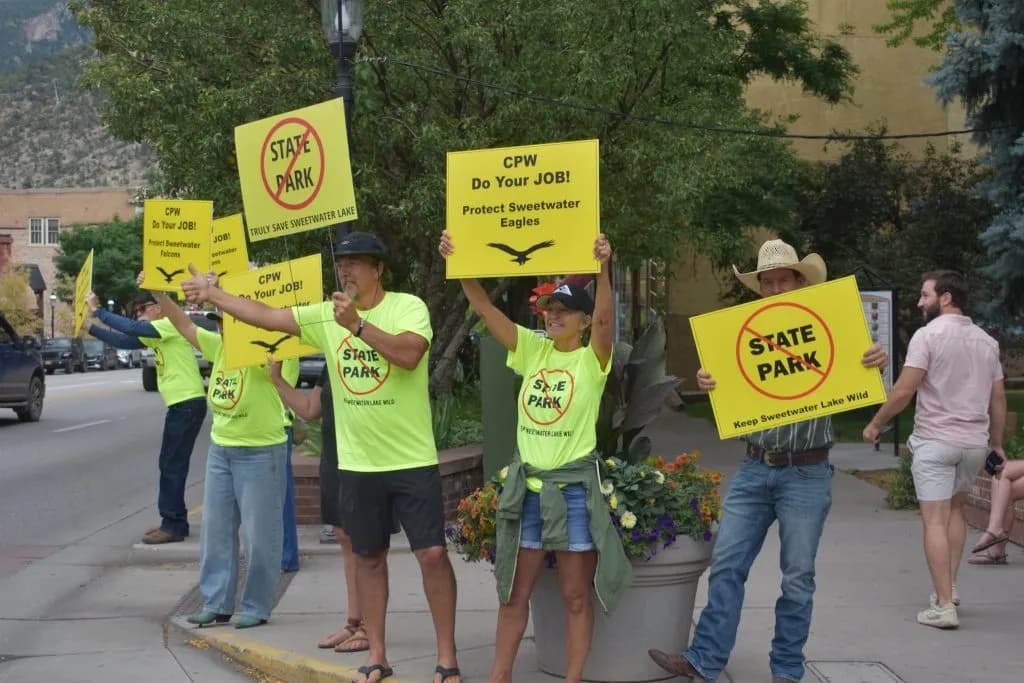
White River National Forest Proposes New Management Zones at Sweetwater Lake
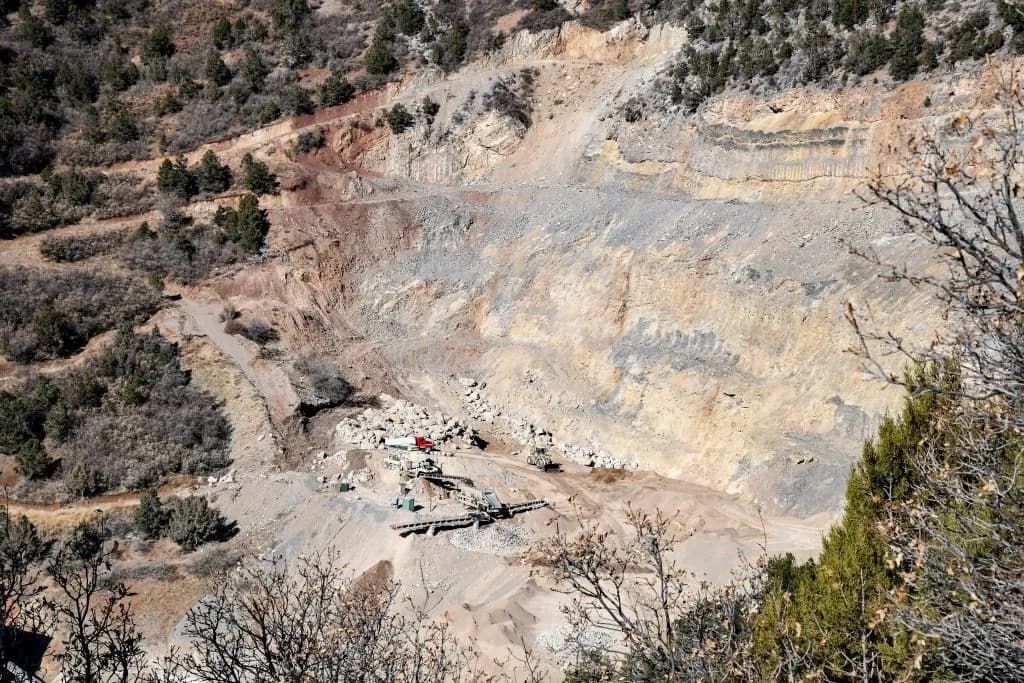
Bennet and Hurd Introduce Bipartisan Bill to Block Mid-Continent Quarry Expansion