Roaring Fork Schools Face $2.8 Million Funding Shortfall
The Roaring Fork School District is facing a potential $2.8 million state funding formula shortfall, exacerbating existing financial challenges due to declining enrollment and state budget cuts.
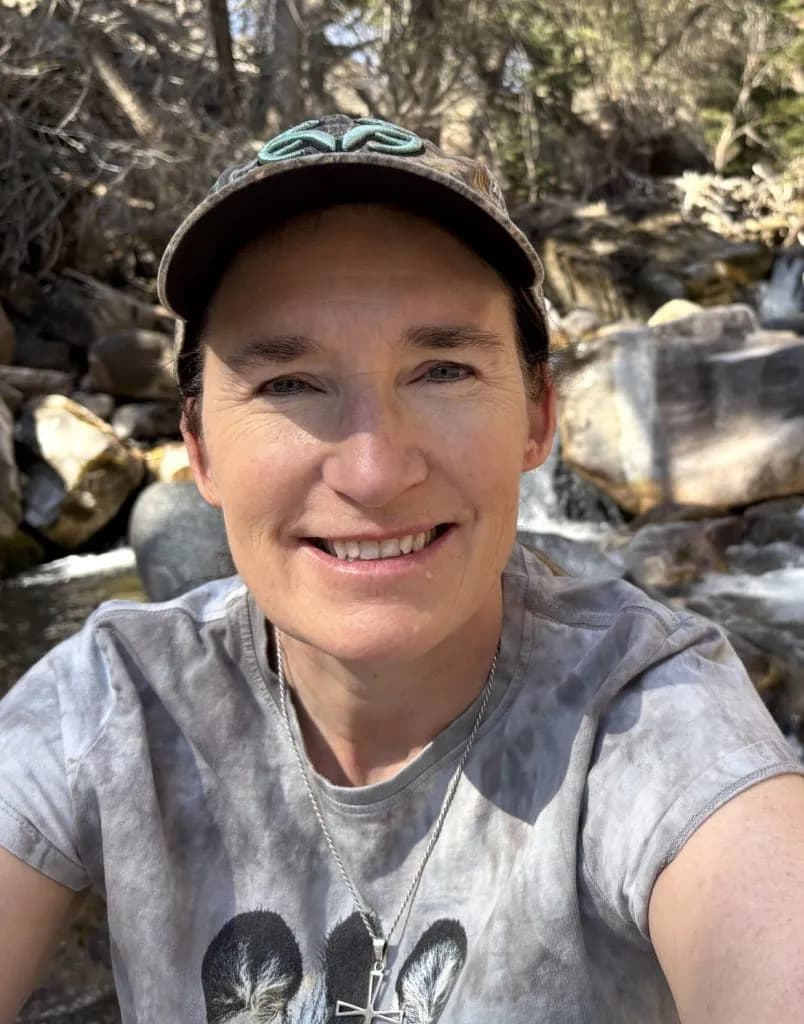
Glenwood Springs —You've probably heard that Colorado's schools are facing financial challenges - but what you might not know is that it's not just about the state funding cuts. Meet Shannon Pelland, the Chief Financial Officer of the Roaring Fork School District, who's been navigating the complex fiscal landscape of Western Slope schools for years. She's sitting in her office in Carbondale, staring at a stack of budget reports, trying to make sense of the numbers. And what she's seeing isn't pretty - a potential $2.8 million state funding formula shortfall, on top of declining enrollment, which is a double whammy for local schools.
If you've been paying attention, you know that Colorado lawmakers are trying to close a $1.5 billion budget gap - a staggering amount that's leaving many wondering how schools will fare. Pelland's got 25 years of experience as a CFO, including 18 years in public schools, and she's never seen a state budget forecast this dire. She's worked hard to get the district's internal finances in order, overhauling the finance department, increasing training for financial stakeholders, and restoring timely and accurate financial reporting. But despite her best efforts, the district is still facing serious external financial challenges.
Here's what that looks like: school districts are funded on a per-pupil basis, with the state setting a per-student funding amount through its school finance formula. Sounds simple, right? But it's not. Local property taxes are applied to each district's total program funding, and the state then backfills the remaining money needed to reach the total amount. The problem is, when local property values go up, schools don't get to keep that extra money - instead, the state decreases its share. It's the kind of thing that leaves you scratching your head, wondering why schools can't just get a fair shake. Ask any parent, and they'll tell you that this funding model is broken. The state's been cutting education funding for years, and it's taking a toll on local schools. Just two years ago, the state budget gap was $200 million - a fraction of what it is today. And with public education making up nearly one-third of the state budget, it's inevitable that schools will feel the pinch.
You've seen the budget reports, the headlines about state funding cuts - but what does it actually mean for our schools? For the Roaring Fork School District, it means tough decisions about where to cut costs, how to prioritize spending. It means potentially reducing staff, cutting programs, or increasing class sizes. And it's not just about the money - it's about the impact on our kids, our community. If you've got kids in the district, you already know this - but for those who don't, it's worth understanding the stakes.
The state budget and its precise impacts haven't yet settled for the upcoming fiscal year, but one thing's clear: schools like RFSD are facing increasing financial pressure. Pelland's doing her best to navigate these headwinds, but it's an uphill battle. As she looks to the future, she's worried about what's next - will the state find a way to fund our schools adequately, or will districts like hers be left to fend for themselves? For now, she's focused on preparing for the worst, hoping for the best. Come Monday morning, she'll be back at her desk, pouring over budget reports, trying to find a way to make it work.
Keep up with Glenwood Springs
The day's Western Slope news, one email each morning. Free.


Glenwood Clinic Parking Lots Fill for Unproven Peptide Injections
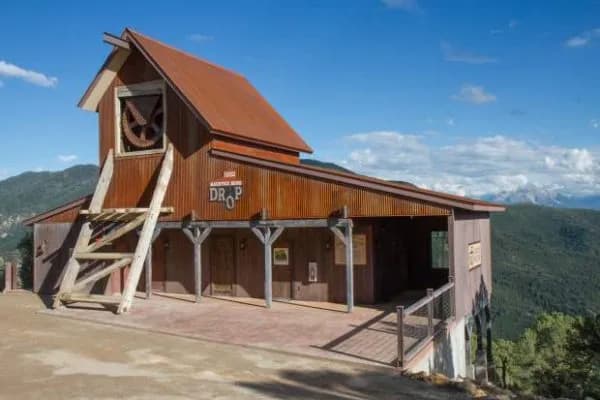
On the ridge above Glenwood Springs, the wind usually whips off the peaks before it reaches the parking lots