Rural Colorado Schools Struggle with State Education Policies
Colorado's rural schools face unique challenges due to state education policies that cater to urban districts, leaving them to fend for themselves with limited resources.
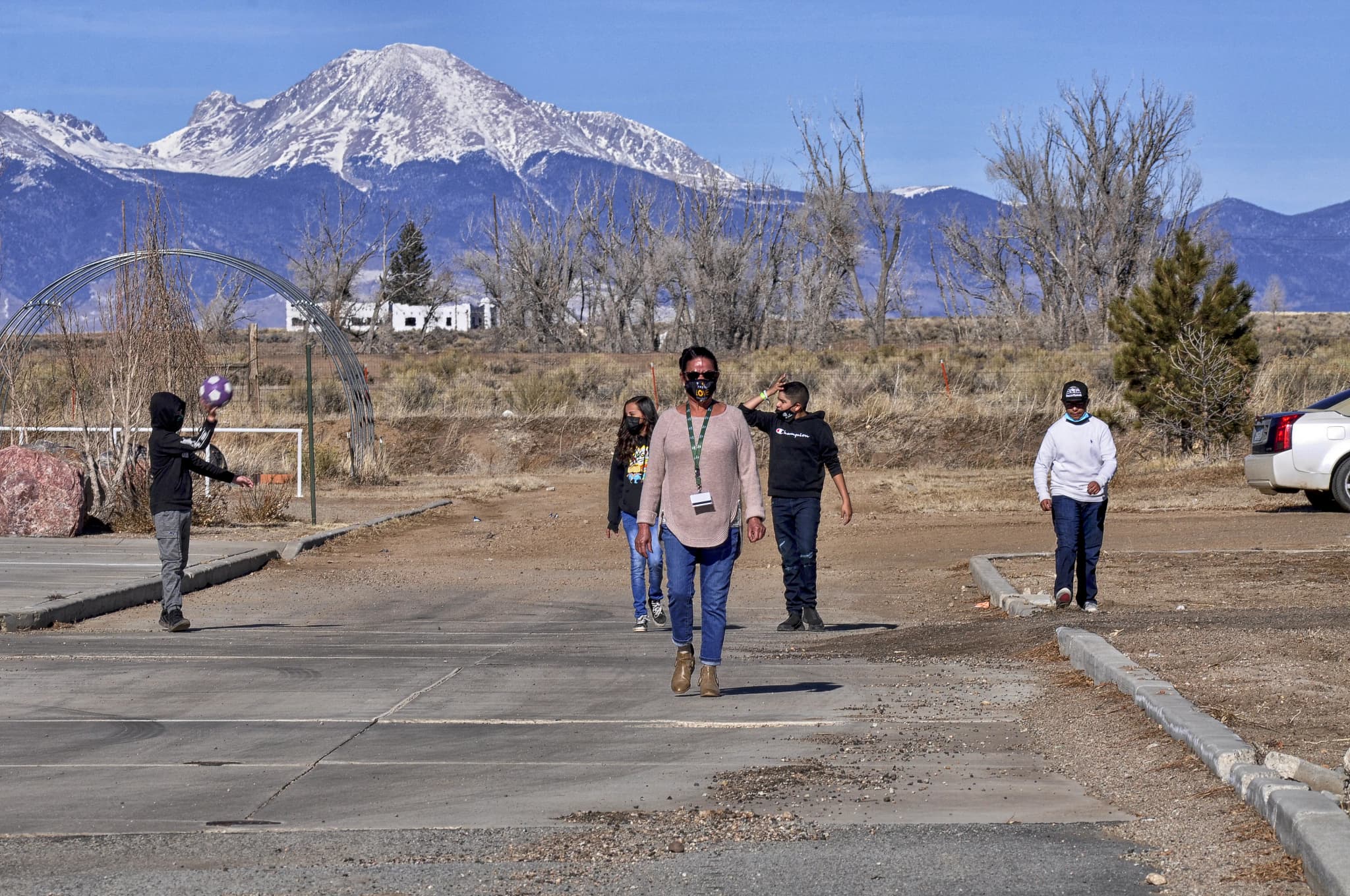
Colorado —You've probably heard it said that Colorado's education policies are designed to support all students, regardless of where they live - but that's not entirely true, at least not for rural Western Slope schools. In fact, it's the opposite: our state's policies often cater to urban school districts, leaving rural areas like ours to fend for themselves. Just ask Amy Ward, the superintendent of North Park School District in Walden, who's seen firsthand how the system fails her students.
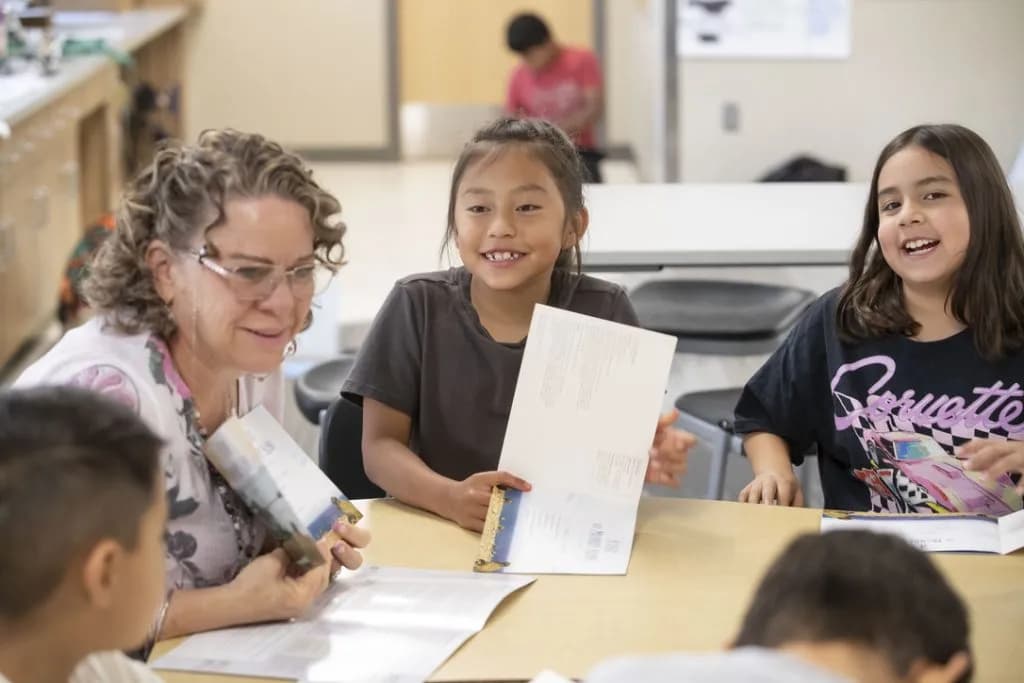
Ward's district is tiny, with under 130 students, and it's not uncommon for teachers to watch their students grow from preschool to graduation. That kind of continuity is a blessing, Ward says, because it allows teachers to develop long-term relationships with kids and their families, and to tailor their education to each student's needs. But it's also a challenge, because rural districts like North Park have to make do with fewer staff and resources. Ward's teachers often juggle multiple jobs, and the district struggles to recruit new teachers to its isolated location.
If you've been paying attention, you know that rural districts like North Park are actually the norm in Colorado - more than 80% of our state's districts are rural or "small rural," serving fewer than 1,000 students. But despite their numbers, these districts only account for about 16% of the state's total student population. That means that when it comes to education policy, the needs of rural districts often take a backseat to those of larger, urban districts. The Keystone Policy Center's recent report on rural school districts lays out the problem in stark terms. "What emerges is a picture of schools that know their students deeply, anchor their communities, and produce results that meet or exceed statewide benchmarks in key areas," the report says. "It is also a picture of institutions operating inside systems that were not designed for them, at costs that policymakers do not fully recognize." In other words, rural schools are doing their best with the resources they have, but they're not getting the support they need from the state.
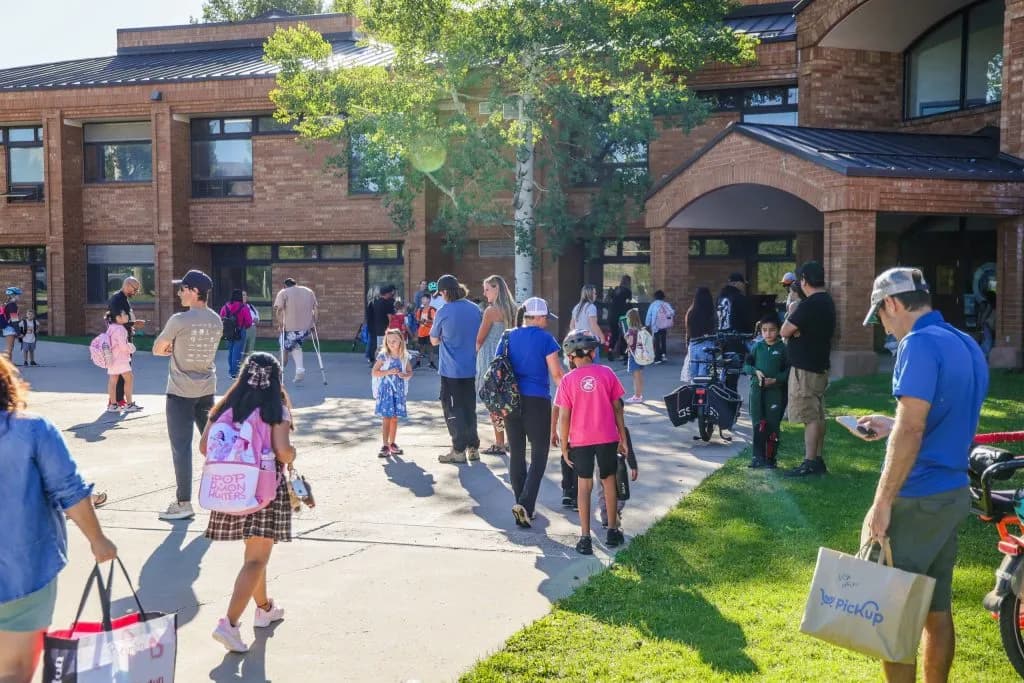
Ward sees this play out every day in her district. On the one hand, the tight-knit community and personalized education that rural schools provide can be a huge advantage for students. On the other hand, the stress of dealing with state rules and regulations that don't account for rural districts' unique needs can be overwhelming. "You see that over and over again year after year," Ward says - the same teachers, the same students, the same struggles to make ends meet. Our community feels the impact of these policies deeply, and it's clear that our rural schools deserve more consideration. You've seen the parking lot at pickup time, with parents and teachers and staff all pitching in to help out. You've heard the rumors about budget cuts and staffing shortages.
The question is, will our state policymakers finally start to listen to the needs of rural districts, or will we continue to be an afterthought? Ward is hopeful, but she's also realistic. "I think that gives you a perspective that you are in it for the long haul and the impact you are making to students," she says. But for now, she's just trying to make it work, one day at a time. Our state's education policies will have to change significantly to support rural schools like North Park, and that will require a fundamental shift in how we approach education funding and policy. As we head into the new school year, Ward and her team will be ready - ready to teach, to mentor, and to fight for the resources their students need to succeed.
Keep up with Colorado
The day's Western Slope news, one email each morning. Free.

Federal Report Sets 200,000 Acre-Foot Water Conservation Target for Upper Basin
Colorado Parks and Wildlife Deploys Precision Drones for Weed Control